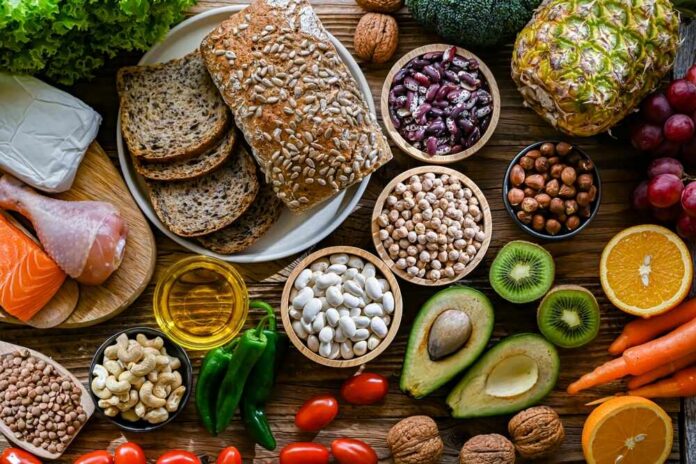
The humble bean sitting in your pantry might be the most powerful weapon against diabetes you never knew you had, and it comes with a bonus that could help save the planet.
Story Snapshot
- Legumes, whole grains, and fermented foods slash diabetes risk by up to 58% through high fiber and low glycemic impact
- Plant-based proteins like lentils and tofu offer sustainability advantages with lower carbon footprints than red meat
- Asian innovations now produce rice blends with glycemic indices matching brown rice without sacrificing texture
- Probiotic-rich kimchi and kefir demonstrate measurable HbA1c reductions in emerging research
- Cultural staples from quinoa to collard greens provide accessible prevention tools across diverse populations
The Quiet Revolution on Your Dinner Plate
Harvard researchers spent years analyzing dietary patterns before reaching a conclusion that upends conventional thinking about disease prevention. The foods that stabilize blood sugar most effectively happen to be the same ones leaving the smallest environmental footprint. Legumes, whole grains, and fermented foods form the trinity of this dual-purpose approach. The Diabetes Prevention Program demonstrated that lifestyle modifications reduce type 2 diabetes risk by 58%, with plant-forward eating at the intervention’s core. What makes this convergence remarkable is how it addresses two global crises simultaneously: the 537 million adults living with diabetes and the carbon emissions driving climate change.
From Ancient Wisdom to Modern Science
Traditional cuisines have embedded these protective foods for centuries, from quinoa in Latin American agriculture to fermented vegetables across Korean tables. The CDC now promotes these cultural staples as prevention tools, recognizing that effective health interventions must align with heritage eating patterns. African American soul food traditions featuring collard greens and Latino diets rich in beans offer templates for sustainable prevention. The PREDIMED trial validated this approach when Mediterranean diets packed with olive oil, nuts, and legumes cut diabetes risk by 30 to 50 percent. These weren’t experimental compounds created in laboratories but foods that sustained populations for generations.
The Fiber Factor That Changes Everything
Fiber slows glucose release into the bloodstream, preventing the spikes that damage insulin response over time. Lentils, oats, and whole grains deliver this protective effect while costing far less than specialized diabetic products. A serving of dried lentils provides substantial fiber at pennies per portion, making prevention accessible regardless of income level. The mechanism is straightforward: soluble fiber forms a gel in the digestive tract that delays carbohydrate absorption. This simple biological process explains why populations consuming high-fiber diets show dramatically lower diabetes rates. The practical implication matters more than the science—swapping refined grains for whole versions requires minimal effort but delivers maximum impact.
Innovation Meets Tradition in Asian Markets
Singapore-based Alchemy Foodtech developed fiber coatings that lower white rice’s glycemic index to match brown rice without altering taste or texture. This innovation addresses a critical challenge in Asian nations where rice consumption remains central to food culture but contributes to rising diabetes prevalence. The company’s plant fiber blends slow carbohydrate digestion, offering a bridge between culinary tradition and metabolic health. Fermented foods present another Asian contribution gaining scientific validation. Kimchi’s Lactobacillus plantarum HAC01 strain improves glucose tolerance, while kefir demonstrates HbA1c reductions in clinical observations. These probiotic-rich foods support gut health, which emerging research links to insulin sensitivity and inflammation control.
The Sustainability Connection Nobody Expected
Plant proteins require dramatically less water and land than animal sources while producing fewer greenhouse gas emissions. Choosing tofu, beans, or lentils over red meat three times weekly reduces saturated fat intake and cardiovascular risk while shrinking your carbon footprint. Local sourcing amplifies these benefits, supporting regional agriculture and reducing transportation emissions. Byram Healthcare emphasizes that plant proteins match animal sources nutritionally while offering environmental advantages. Frozen produce and canned fish provide shelf-stable options that minimize food waste, another sustainability consideration. The economic argument strengthens the case—staple legumes cost less than processed diabetic specialty foods marketed at premium prices.
What the Numbers Actually Tell Us
Type 2 diabetes costs the global economy 966 billion dollars annually, a burden that prevention could substantially reduce. Studies show 30 to 58 percent risk reduction through dietary modification, with some prediabetic individuals achieving reversal through sustained plant-forward eating patterns. The affected population includes 422 million people worldwide living with diabetes or prediabetes, many lacking access to expensive medications or specialized care. High-fiber legumes correlate with lower body weight and improved metabolic markers across populations. These outcomes emerge from accessible foods, not pharmaceutical interventions requiring insurance coverage or prescription access.
The Practical Path Forward
The American Diabetes Association lists leafy greens, whole grains, and beans as superstar foods for blood sugar management. Implementation requires no special equipment or exotic ingredients—dried lentils, frozen vegetables, and whole grain pasta fill most grocery store shelves. Cultural adaptation makes adoption easier, whether incorporating black beans into Mexican cuisine or chickpeas into Mediterranean dishes. The approach respects food traditions while optimizing metabolic outcomes. Policies incentivizing farmers’ markets and local agriculture could improve access to fresh produce in underserved communities. Food industry shifts toward low-glycemic products create market opportunities for startups while expanding consumer options.
The convergence of health research and environmental science points toward the same dietary pattern. Plant-based eating centered on legumes, whole grains, and fermented foods addresses diabetes prevention while reducing ecological impact. This alignment offers clarity in an era of conflicting nutritional advice and mounting healthcare costs. The solution requires no technological breakthrough or pharmaceutical development, just a return to foods that sustained human health before industrial agriculture prioritized convenience over nutrition. The evidence supporting this approach comes from peer-reviewed research at Harvard, CDC guidelines, and clinical trials spanning decades. What makes it compelling is the combination of effectiveness, accessibility, and affordability—prevention tools available to anyone with access to basic staple foods.
Sources:
Life! Program – Foods to Prevent Diabetes
Byram Healthcare – Eating Tips for Diabetes
Harvard Health – Healthy Lifestyle Can Prevent Diabetes and Even Reverse It
Charles County Health – Eating Healthy to Prevent Diabetes
Alcimed – Diabetic Food Innovations in Asia
CDC – Diabetes and Cultural Foods
American Diabetes Association – Diabetes Superstar Foods
NIDDK – Preventing Type 2 Diabetes Game Plan