Your brain’s worst enemy might already be sitting in your pantry, and the science now proves it’s far more dangerous than you thought.
Quick Take
- Ultra-processed foods increase dementia risk by 25% for every 10% increase in daily intake, with high consumption linked to 44% elevated risk overall
- Middle-aged adults consuming 10+ servings daily face a 2.7-fold increased Alzheimer’s risk, but this association weakens significantly after age 68
- Flavonoid-rich foods like berries, tea, and dark chocolate cut dementia risk by 28%, while Mediterranean and MIND diets reduce risk by up to 23%
- The dementia-diet connection operates through inflammation and metabolic damage, making dietary choices one of the few modifiable risk factors in your control
The Hidden Cost of Convenience
Cheeseburgers, fried chicken, sugary sodas, and packaged snacks aren’t just empty calories—they’re cognitive time bombs. Research tracking 10,000 people over a decade found 518 developed dementia, with those consuming more than a quarter of their daily diet from ultra-processed foods showing the highest risk. The math is stark: every 10% increase in processed food intake raises dementia risk by 25%. Those averaging 814 grams daily faced the steepest cognitive decline. Your brain, weighing just three pounds, consumes 20% of your body’s energy and cannot afford nutritional shortcuts.
Why Middle Age Matters Most
Age isn’t just a number when it comes to food’s impact on your brain. Adults under 68 who consumed 10+ servings of ultra-processed foods daily showed a 2.7-fold increase in Alzheimer’s risk. Each additional daily serving added 13% more risk. Yet paradoxically, this association nearly vanishes in older adults, suggesting dietary damage accumulates silently during midlife before manifesting as cognitive decline. This window of vulnerability makes your 40s and 50s the critical years to reset eating patterns before irreversible neurological changes take hold.
The Foods Actually Worth Eating
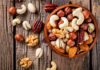
While processed foods destroy cognitive function, certain foods actively protect it. People consuming six daily servings of flavonoid-rich foods—berries, green tea, apples, dark chocolate, red wine—cut dementia risk by 28%. The Mediterranean diet reduces risk by 23%, while the MIND diet (Mediterranean-Dash Intervention for Neurodegenerative Delay) shows even stronger protection. These aren’t restrictive diets; they’re permission to eat real food. Nuts, legumes, leafy greens, and whole grains replace the inflammatory processed alternatives your brain has been fighting against.
The Biology Behind the Numbers
Ultra-processed foods damage brains through multiple pathways. Saturated fats and chemical additives trigger chronic inflammation in neural tissue. High sugar intake—particularly fructose and sucrose—promotes metabolic dysfunction and accelerates cognitive aging. These aren’t theoretical risks; they’re measurable changes in brain structure and function. The inflammation response to processed foods mirrors what happens in Alzheimer’s disease itself, essentially fast-forwarding the aging process. Your dietary choices today literally reshape your brain’s cellular environment.
Taking Control of Your Cognitive Future
The encouraging truth: diet remains one of the few dementia risk factors entirely within your control. Genetics matter, age progresses regardless, but what you eat is a daily decision. Substituting whole foods for processed alternatives reduced dementia risk in studies. Start by identifying your highest ultra-processed food consumption and replace it incrementally. Add berries to breakfast, swap soda for tea, choose nuts over chips. These small shifts compound into measurable cognitive protection over months and years.
"Eating This Can Increase Dementia Risk By 43%, New Study Shows" (mindbodygreen) on SmartNews: https://t.co/pKH74fGPDn #SmartNews
— hardknoxfirst 🇺🇦 (@hardknoxfirst) April 25, 2026
Your brain has been sending distress signals through every processed meal. The science is now undeniable: what you feed your body shapes whether you’ll remember feeding it. The question isn’t whether diet matters for dementia—it’s whether you’ll act on this knowledge before it’s too late.
Sources:
These Popular Foods May Add to Dementia Risk
High intake of ultra-processed food is associated with dementia
Ultra-processed food consumption and risk of dementia and Alzheimer’s disease
Can these foods lower your dementia risk?
Healthful diet linked to reduced risk of cognitive decline