The food choices you make in perimenopause can quietly decide whether you feel steadily capable—or like your body changed the rules overnight.
Quick Take
- A Mediterranean-style eating pattern anchors the most practical, research-aligned approach: plants first, quality protein, healthy fats, and steady carbs.
- Higher fruit intake links with fewer hot flashes and night sweats compared with diets heavier in fat and sugar.
- Protein, omega-3s, and whole grains matter because perimenopause often brings muscle loss risk and bigger blood sugar spikes.
- Calcium-rich foods (paired with vitamin D) become non-negotiable as bone density protection gets harder with age.
- Soy foods can help some women with hot flashes, but the “right dose” and consistency beat trendy one-off add-ins.
Mediterranean Eating Works Because It Solves Multiple Problems at Once
Perimenopause rarely shows up with one neat symptom; it arrives as a bundle: sleep gets fragile, weight becomes stubborn, and mood feels less predictable. A Mediterranean-style eating pattern earns its reputation because it addresses the whole pile without gimmicks. It leans on vegetables, fruit, legumes, whole grains, fish, and olive oil while keeping added sugars and saturated fats in check. That combination targets heart risk, energy stability, and inflammation.
Readers over 40 often ask for “the one food” to fix everything. That’s the wrong frame. Perimenopause responds better to patterns than magic bullets. Build meals that look boring on purpose: a protein base, fiber-rich plants, and a fat that doesn’t come from a fryer. That formula prevents the late-afternoon crash that triggers snacking, and it supports the slow-and-steady body composition fight many women experience in these years.
Fruit and Vegetables: The Anti-Inflammation Habit That Also Helps Hot Flashes
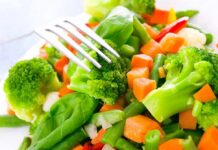
Fruits and vegetables pull double duty because they bring fiber, potassium, and antioxidants—the basic toolkit for blood pressure, cholesterol, and vascular health. Research summarized in your sources also points to a practical outcome women care about: higher fruit intake correlates with fewer hot flashes and night sweats compared with diets higher in fat and sugar. That makes fruit a symptom strategy, not just a “be healthy” slogan.
Vegetable choice matters more than most people think. Cruciferous vegetables—broccoli, cauliflower, kale, cabbage—contain compounds associated with supporting estrogen detoxification pathways. Leafy greens add calcium plus micronutrients that support overall metabolism. Brightly colored produce and berries bring antioxidant support that aligns with reducing oxidative stress and inflammation. None of that requires a complicated plan; it requires you to buy plants you’ll actually eat and repeat.
Protein: The Quiet Guardian of Strength, Metabolism, and Sanity
Perimenopause can feel like you’re eating “normally” while your body stops responding the way it used to. One reason: muscle mass becomes easier to lose and harder to maintain, and muscle drives metabolic resilience. Adequate protein helps protect strength and daily function. Rotate fish, poultry, eggs, dairy like yogurt, and plant proteins like beans and lentils. Plant proteins bring fiber too, which improves fullness and steadies appetite.
A high-carb breakfast with little protein sets up bigger hunger later, which can become a self-inflicted stress cycle. Many women do well by making lunch the “anchor meal” with a real protein portion plus vegetables. That pattern also plays nicely with work schedules and reduces the temptation to graze at night.
Omega-3s and Whole Grains: The One-Two Punch for Heart and Blood Sugar
Omega-3 fatty acids show up repeatedly in perimenopause nutrition because they connect to stroke and heart disease risk, metabolic health, and even symptom management like night sweats and mood. Fatty fish—salmon, sardines, mackerel, tuna—tops the list, with flaxseed, chia, walnuts, soybeans, and certain plant oils as supportive options. You don’t need perfection; you need frequency and consistency across weeks.
Whole grains matter for a less glamorous reason: glucose control. Perimenopause can come with larger glucose spikes, so swapping refined grains for quinoa, oats, brown rice, and whole-grain breads helps provide steadier energy. The goal isn’t deprivation; it’s fewer sharp peaks and crashes that make you feel wired, tired, and hungry in the same afternoon. Fiber from whole grains also supports gut health, which influences mood and appetite.
Calcium, Vitamin D, and Soy: The Practical Debate Most Women Need to Settle
Bone health stops being theoretical in perimenopause. Calcium-rich foods—milk, yogurt, cheese, fortified alternatives, leafy greens, tofu, beans, and even canned salmon or sardines with bones—support the daily deposits your skeleton needs. Vitamin D improves calcium absorption, so pairing matters.
Soy is the most argued-over food in this conversation, mostly because people confuse “plant estrogens” with actual estrogen. Isoflavones have weaker effects than human estrogen, and some studies suggest soy foods can reduce hot flashes, including research that used a daily serving of cooked soybeans. The sensible approach: treat soy as an optional tool, not a religion—try edamame, tofu, or tempeh consistently and judge results calmly.
Foods to limit make the final difference because they sabotage the steady-state your body needs: saturated fat, added sugars, alcohol, and ultra-processed snack foods amplify energy crashes and can worsen symptoms. This is where discipline pays off fastest. You don’t need to ban celebrations; you need to stop letting “everyday treats” become everyday habits. Perimenopause rewards routines that lower chaos and punish routines that spike it.
Sources:
https://www.goodrx.com/well-being/diet-nutrition/foods-for-perimenopause
https://www.amymyersmd.com/blogs/articles/perimenopause-diet
https://zoe.com/learn/perimenopause-diet
https://www.aarp.org/health/conditions-treatments/diet-to-ease-menopause-symptoms/
https://www.eileenwestmd.com/blog/perimenopause-and-menopause-nutrition-tips/
https://pmc.ncbi.nlm.nih.gov/articles/PMC10780928/