A brisk 10-20 minute walk after eating tamed the wildest glucose swings in a real-world continuous glucose monitor test, while several trendy hacks fizzled.
Story Snapshot
- Post-meal walking delivered the most consistent glucose control in a 48-hour self-test [4].
- A structured workout produced a substantial glucose drop during the same experiment [4].
- Apple cider vinegar and fiber showed mixed, inconclusive effects in the test [4].
- Continuous glucose monitors reveal trends but do not alone prove causation [4].
What the CGM actually showed when the rubber met the road
One creator ran a 48-hour “hacks vs. carbs” battle using a continuous glucose monitor and found one clear winner: movement right after eating. He reports that a brisk post-meal walk kept his glucose around mid-90s milligrams per deciliter after a high-carbohydrate hit, far steadier than his inactive comparison window [4]. The same short trial documented a sizable drop after a 40-minute full-body workout, reinforcing that exercise remains the most reliable, accessible lever for most people to blunt spikes without gimmicks [4].
The same test handed out reality checks. Apple cider vinegar and psyllium husk did not rescue a one-hour reading that sat at 159 milligrams per deciliter, and the later decline to about 101 milligrams per deciliter left the creator unconvinced that those add-ons drove the change [4]. That kind of mixed result fits the biology: digestion timing, stress, sleep, and prior activity can swing short-term glucose responses. A single trial can tease signals, but it cannot crown silver bullets for everyone [4].
Why your sensor is a compass, not a courtroom
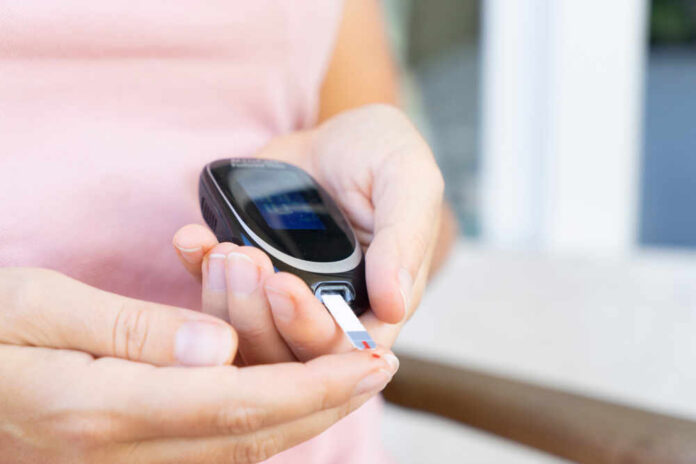
Continuous glucose monitors deliver near-real-time data by sampling interstitial fluid under the skin, translating values to a companion app every few minutes [4]. They shine at exposing trends and showing how daily habits map to rises and dips. They do not, by themselves, establish causation or generalize one person’s response to the public [2]. Health explainers and clinical overviews alike caution that these devices are best for pattern recognition and biofeedback, not instant, definitive verdicts after a day or two [4].
Doctor-led guidance in the consumer space echoes that restraint: spend the early window collecting baseline data before “optimizing,” so you do not confuse noise with signal [1]. Americans do not need more miracle-cure messaging; they need tools that help them act on fundamentals—sleep, protein-forward meals, resistance training, and timely walks—while ignoring shiny but unproven shortcuts.
The two hacks that earned their keep
Post-meal walking looks like the people’s champion because it recruits muscle to soak up circulating glucose, lowering the size and duration of spikes after carbohydrate-heavy meals. In this test, the on-foot strategy beat desk-sitting, and it costs nothing, requires no brand sponsorship, and does not complicate a meal with odd sequencing rules [4]. Structured exercise showed a strong glucose-lowering effect as well, dropping a reading from the one-hundred-twenties to the low nineties during a 40-minute session in the same window [4].
Meal composition and order may still matter, but this short protocol cannot prove a universal rule. Pairing carbohydrates with protein, fiber, and healthy fats often blunts spikes in practice, yet the experiment’s clean victories came from movement rather than pantry potions [4]. That ranking matches decades of gym-floor wisdom: what your muscles do after you eat often beats what you sprinkle before you eat.
How to copy the wins without falling for the hype
Start with a simple plan and track a week of normal eating and activity before tinkering. If you wear a continuous glucose monitor, log meals, steps, workouts, sleep, and stress, then add one lever at a time: a 10-20 minute brisk walk right after meals, resistance training three times a week, and protein-first plates. Treat any dramatic single-day swing as a hypothesis, not a headline. If a tactic cannot repeat over multiple tries, it is not a tactic—it is noise [1][4].
Demand the receipts from anyone selling hacks. Ask for replicated data, matched-control days, and device details. Expect that vinegar, fiber timing, and clever food ordering sometimes help, especially for big refined-carbohydrate hits, but hold them to the standard of repetition and practical benefit. Keep the main thing the main thing: move your body after you eat, train your muscles, and use the monitor as a dashboard, not a dopamine slot machine. That is how you turn numbers into health, not hype [2][4].
Sources:
[1] Web – I Tried 5 Blood Sugar Hacks — Here’s What Worked According To My CGM
[2] YouTube – Part 1: How to Hack Your Blood Sugar Using a Continuous Glucose …
[4] Web – How to Hack The Glucose Game – Jones Road Beauty