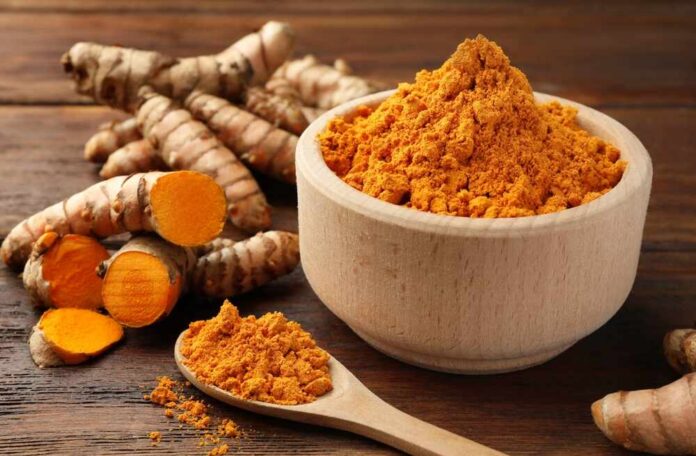
Turmeric does not turn into a magic blood-sugar drug on its own—but when you pair its key compound curcumin with black pepper’s piperine, the biology and the data both get a lot more interesting.
Story Snapshot
- Curcumin by itself is poorly absorbed; piperine from black pepper can boost its bioavailability by up to twentyfold in some studies.
- Human trials suggest curcumin–piperine combos can nudge fasting glucose, A1c, insulin resistance, and inflammation in the right direction.
- The strongest evidence comes from short-term, small randomized trials, not decades-long, hard-outcome diabetes studies.
- The real-world impact depends on dose, delivery form, and whether you are cooking with turmeric or swallowing concentrated supplements.
Why Turmeric Alone Often Disappoints In The Real World
Curcumin, the main active compound in turmeric, looks like a metabolic superhero in a test tube, yet behaves like a recluse in the human body. It is poorly soluble in water, rapidly metabolized in the liver, and quickly excreted, which means very little free curcumin reaches the bloodstream when you swallow a typical capsule or teaspoon of powder. A systematic review on diabetes found curcumin can reduce fasting blood glucose, A1c, and inflammatory markers, but also flagged dose and formulation as key constraints for clinical impact.[3]
Researchers studying type 2 diabetes report that curcuminoids improve insulin resistance, lower serum glucose and insulin, and reduce markers like tumor necrosis factor-alpha and interleukin-6.[3] These are the same inflammatory and metabolic levers that mainstream diabetes drugs and lifestyle changes try to pull. Yet many consumer experiences with turmeric teas and grocery-store capsules feel underwhelming. The disconnect lies mostly in bioavailability: the form used in trials often differs markedly from what shows up on discount shelves or in your spice drawer.
Piperine: The Black Pepper Hack That Changes The Math
Piperine, the pungent compound in black pepper, changes curcumin’s fate in the gut and liver. Clinical and mechanistic work shows that adding small amounts of piperine can increase curcumin bioavailability up to twentyfold, mainly by slowing its breakdown and export from intestinal cells and the liver.[7] One pharmacokinetic study often cited in reviews used 20 milligrams of piperine with 2 grams of curcumin and documented approximately a 2,000 percent increase in measurable blood levels compared with curcumin alone.
This absorption boost is not just a lab curiosity. A randomized trial in adults with type 2 diabetes given 500 milligrams per day of curcuminoids plus 5 milligrams of piperine for three months saw significant reductions in fasting glucose, A1c, and liver enzymes compared with placebo.[1] The same review concluded that curcumin–piperine combinations can positively influence glycemic, lipid, and liver profiles in patients with fatty liver disease and metabolic syndrome, again with relatively modest doses.[1]
What The Better Trials Say About Blood Sugar And Inflammation
A systematic overview of curcumin and piperine on glucose metabolism pulled together randomized controlled trials across diabetes, fatty liver disease, and metabolic syndrome.[1] The authors reported meaningful drops in serum glucose and A1c, and improvements in lipid profiles when patients took curcumin combined with piperine, often alongside standard care. Another broader diabetes-focused review found that curcumin in various formulations reduced fasting blood glucose, A1c, triglycerides, total cholesterol, and C-reactive protein in people with type 2 diabetes.[3]
These are not miracle-cure numbers; they are incremental gains that might compound alongside diet, exercise, weight loss, and appropriate medication. The reviews also acknowledged that trials tend to be short, typically weeks to a few months, and involve modest sample sizes.[3] That limitation matters for anyone tempted to treat turmeric–pepper supplements like a stand-alone replacement for metformin or insulin. Current evidence does not justify that leap.
The Case Against Hype: Heterogeneity, Short Durations, And Real-World Use
Critics of the turmeric–piperine craze point out that the human trials vary widely in dosage, formulation, and patient population, which makes sweeping claims shaky. One recent systematic review of curcumin–piperine supplementation across twenty randomized trials noted sample sizes as low as eight participants and durations between one and twelve weeks, then explicitly called for larger, longer studies with standardized goals before drawing firm conclusions about efficacy and ideal dosing.[2]
🌿 Curcumin, the active compound in turmeric, is poorly absorbed on its own. Your liver processes and removes most of it before it can do anything. Piperine, a compound in black pepper, blocks this removal and keeps curcumin in your blood far longer. A pinch of black pepper with… pic.twitter.com/9hQE8DN26u
— Health Intel (@healthintel03) May 23, 2026
Another concern is that culinary use does not mirror supplement protocols. Reviewers highlight that the bioavailability of fresh or dried powdered turmeric used in food can actually differ from concentrated curcumin supplements compounded with various enhancers.[1] That means the person sprinkling a little turmeric on eggs and skipping their diabetes medication based on a social media reel is making a category error. Modest biomarker improvements in structured trials do not equal a free pass to ignore established treatment plans or routine glucose monitoring.
Where A Turmeric–Piperine Strategy Fits Into Sensible Metabolic Care
The most responsible way to read this evidence is to view curcumin plus piperine as a potentially useful adjunct, not a silver bullet. For overweight adults with insulin resistance, fatty liver, or early type 2 diabetes already working on diet and physical activity, a well-formulated curcumin–piperine supplement may provide additional, modest improvements in blood sugar, lipids, and inflammatory markers, with a generally good safety profile at studied doses.[1][3]
The open question that only time and better trials will answer is how much these biomarker shifts translate into fewer heart attacks, strokes, amputations, or dialysis visits over years. Until that is clear, the prudent approach is straightforward: enjoy turmeric as a food, consider a curcumin–piperine supplement if your clinician agrees it fits your case, maintain skepticism of “overnight cure” marketing, and keep the heavy lifting on blood sugar control where it belongs—on daily habits and evidence-backed therapies.
Sources:
[1] Web – Overview of Curcumin and Piperine Effects on Glucose Metabolism
[2] Web – Curcumin-piperine supplementation modulates inflammation …
[3] Web – Why Turmeric and Black Pepper Is a Powerful Combination
[7] Web – Investigating Bioavailability of Curcumin and Piperine Combination …