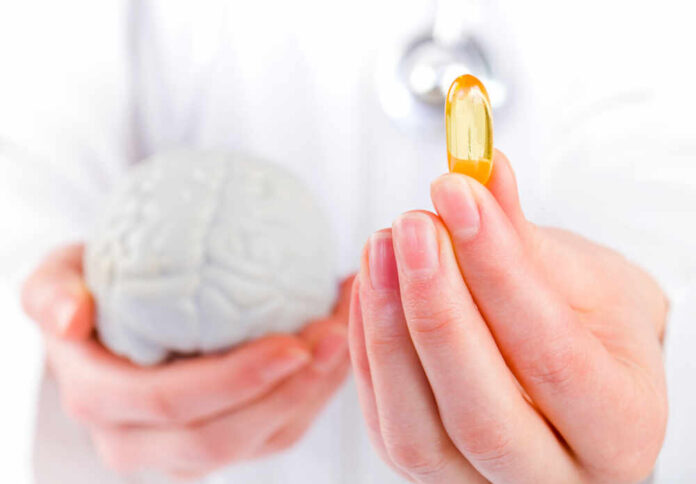
Your brain’s “wiring” in old age may depend, at least in part, on something as simple as how much vitamin C is floating in your blood.
Story Snapshot
- Older Japanese adults with more vitamin C in their blood had more gray matter and stronger brain connectivity on scans.
- The same brain networks tied to memory, attention, and daydreaming looked weaker in people with lower vitamin C.
- The study cannot prove cause and effect, but it fits a larger pattern linking nutrients and slower brain aging.
- Nutrition, not mega-doses or miracle pills, still looks like the smartest long-game for your brain.
What The New Vitamin C Brain Study Actually Found
Researchers in Japan looked at more than two thousand adults age sixty-four and older and asked a simple question: do people with more vitamin C in their blood have healthier-looking brains on scans? Several news outlets report that the answer was yes. Older adults with lower plasma vitamin C had less gray matter and weaker connectivity in a key brain network called the default mode network, which handles memory, focus, and self-reflection.[3]
The most striking part is where the brain changes showed up. The default mode network is the “idle mode” of your brain, active when you remember your past, plan your future, or let your mind wander. Damage to this network shows up in early Alzheimer’s disease. Coverage of the study notes that people with higher vitamin C levels had better preserved structural connectivity in this network, even after adjusting for age, physical activity, and education.[4]
Why This Got Scientists And Headlines Excited
The lead author, Tomohiro Shintaku, did not shrug this off as a random link. He called it “an exciting hypothesis” that higher vitamin C might help preserve the brain’s wiring as we age.[3] Other work in nutritional neuroscience points in the same direction. A 2012 study found that a blood pattern rich in vitamins B, C, D, and E was tied to better cognitive scores and larger total brain volume on MRI in older adults at risk for dementia.[13]
More recent research from 2024 used many brain scans and blood tests to sort people into “delayed brain aging” and “accelerated brain aging” groups.[12] Those with slower brain aging had a richer mix of fatty acids, antioxidants, and vitamins in their blood. They also showed larger brain volumes, better wiring, and stronger functional connectivity across many brain regions.[12] Vitamin C is one of the classic water‑soluble antioxidants scientists look at in these patterns.[14]
Where The Evidence Stops And Wishful Thinking Begins
Here is where a sober, conservative reading matters. The Japanese vitamin C study is cross‑sectional. That means vitamin C levels and brain scans were taken at one point in time. The researchers themselves stressed that they cannot say vitamin C caused the brain differences. Someone with poor health, chronic inflammation, or a lousy diet could end up with both low vitamin C and a shrinking brain for deeper reasons the study did not fully control.[3]
Media write‑ups often slide from “linked to” into phrases like “may help protect your brain,” which sounds causal. The study did not track who later developed dementia. It did not test whether raising vitamin C changes brain structure. It showed a biomarker–MRI link, not a clinical victory. That is a yellow flag: promising signal, not marching orders to run out and buy supplements.
How Vitamin C Fits Into The Bigger Brain Aging Picture
Vitamin C is not working alone. Reviews of nutritional cognitive neuroscience show that whole dietary patterns, like the Mediterranean and MIND diets, are tied to slower brain aging and better cognitive performance.[14] These diets are rich in fruits, vegetables, fish, nuts, and healthy oils. They naturally provide vitamin C along with vitamin E, B vitamins, carotenoids, and omega‑3 fats that together support blood vessels, tame inflammation, and protect brain cells.[14]
Several studies back this pattern idea. Work on nutrient biomarker patterns found that people with higher blood levels of vitamins B, C, D, and E scored better on tests of attention, executive function, and visuospatial skills.[13] Another study tied a pattern high in vitamin A, vitamin C, carotenoids, and fiber to healthier brain metabolism and volume in areas vulnerable to Alzheimer’s disease.[15] These are not magic bullets; they are snapshots of what a well‑nourished brain looks like.
What This Means For Your Daily Choices
This line of research supports something your grandparents already knew: eat real food, most of the time, and do it for decades, not weeks. Piling on high‑dose pills based on one observational study is emotion‑driven, not evidence‑driven. But letting yourself slide into quiet vitamin deficiencies while living on ultra‑processed food is just as unwise if you care about staying sharp.
A practical middle road looks plain. Build your plate around fruits, vegetables, and other nutrient‑dense foods that naturally supply vitamin C and its allies. Use supplements, if at all, to fill clear gaps, not to replace discipline. Watch for future trials that actually raise vitamin C in older adults and track brain scans and memory over time. Until then, treat this study as a useful warning shot, not a miracle cure.
Sources:
[3] Web – Low Plasma Vitamin C Linked to Lower Gray Matter and Neural …
[4] Web – Aging brain health: Vitamin C levels linked to gray matter volume
[12] Web – The Link Between Vitamin C And Brain Health Just Got Even Clearer
[13] Web – Vitamin C Increases Brain Power in Young Adults – Beyond Health
[14] Web – The Link Between Vitamin C And Brain Health Just Got … – Facebook
[15] Web – Gut microbiota links vitamin C supplementation to enhanced mental …