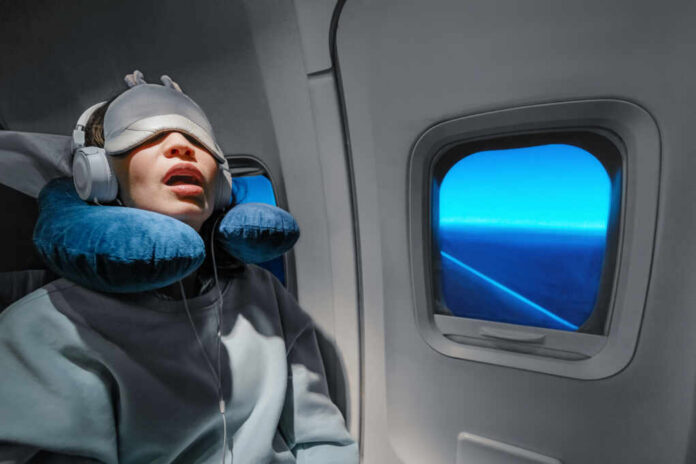
Millions of Americans sleep a full eight hours yet drag themselves through the day like zombies—and the culprit might not be how long you sleep, but what’s sabotaging your rest while you’re unconscious.
Story Snapshot
- Thirty million Americans have undiagnosed sleep apnea causing micro-awakenings that destroy sleep quality without their knowledge
- Poor sleep costs the U.S. economy $411 billion annually in lost productivity, accidents, and chronic health issues
- Sleep disorders, irregular schedules, and hidden medical conditions like thyroid problems trump sleep duration as the real energy thieves
- Experts confirm sleep inertia can impair performance for up to two hours after waking, even with adequate rest
The Hidden Epidemic Destroying Your Mornings
The American Academy of Sleep Medicine estimates 30 million people suffer from obstructive sleep apnea without knowing it. These individuals experience repeated micro-awakenings throughout the night—brief interruptions so fleeting they don’t remember them come morning. Dr. Roth from Cleveland Clinic explains these interruptions block the deep, restorative sleep phases your brain desperately needs, leaving you exhausted despite clocking the recommended hours. This creates a cruel paradox where your fitness tracker confirms eight hours of sleep while your body screams otherwise.
When Your Schedule Becomes Your Enemy
Rise Science research reveals irregular sleep schedules wreak havoc on alertness even when total sleep time stays consistent. Your circadian rhythm operates like a biological clock that expects consistency, not chaos. Remote work blurred the boundaries between professional and personal time starting around 2010, intensifying schedule irregularities. Dr. Jamie Zeitzer from Stanford’s Center for Sleep and Circadian Sciences notes that going to bed and waking at wildly different times confuses your internal systems, producing what researchers call “social jet lag”—essentially giving yourself jet lag without leaving your zip code.
The Medical Landmines Sabotaging Your Energy
Iron deficiency, thyroid disorders, and vitamin B deficiencies fly under the radar as fatigue culprits. Women experiencing menopause or pregnancy face particularly high risks, as hormonal fluctuations compound these issues. Restless legs syndrome, linked to iron deficiency since the 1950s, prevents sufferers from achieving restful sleep despite adequate time in bed. Post-2025 studies highlighted nutrient deficiencies in magnesium and B vitamins as increasingly common factors. These medical issues require blood work and proper diagnosis—not another sleep app or expensive mattress promising miraculous results.
The Lifestyle Traps You’re Walking Into Daily
Caffeine consumed after 2 PM, alcohol before bed, and blue light exposure from screens create a perfect storm of sleep disruption. Urban environments compound problems through noise and light pollution that fragment sleep architecture. Economic pressures and workplace stress trigger cortisol spikes that keep your nervous system on high alert. Rise Science data shows users report stress as their top barrier to quality rest, outranking even diagnosed medical conditions. The smartphone revolution around 2010 introduced constant stimulation that trains brains to resist the downtime sleep requires, creating a cycle of dependence and deprivation.
The Performance Tax Nobody Discusses
Sleep inertia—that groggy, disoriented feeling upon waking—impairs cognitive performance for up to two hours, according to Dr. Zeitzer’s research. This phenomenon affects everyone but intensifies with poor sleep quality. The economic toll extends beyond individual productivity. Drowsy driving accidents, workplace errors, and absenteeism contribute to the staggering $411 billion annual loss the U.S. economy absorbs from sleep-related issues. Shift workers and adults aged 30 to 60 bear the brunt, with rural communities facing diagnostic barriers that leave conditions untreated for years. The long-term health consequences include elevated risks for diabetes and heart disease from chronic untreated sleep apnea.
The sleep technology market exceeded $20 billion by 2026 as consumers seek solutions, with wearable devices now attempting apnea detection and AI-driven apps refining circadian advice. Home sleep tests reduce barriers to diagnosis, though the American Academy of Sleep Medicine confirms roughly 80 percent of obstructive sleep apnea cases remain undiagnosed. Workplace wellness mandates emerge as employers recognize the financial impact. The post-COVID era brought heightened awareness as “long hauler” fatigue mirrored sleep disorder symptoms, spurring telehealth diagnostics adoption. Quality trumps quantity when evaluating rest—a reality that challenges the oversimplified “eight hours solves everything” narrative health influencers promoted for decades.
Sources:
Why You Wake Up Tired After 8 Hours of Sleep – Cleveland Clinic
Why Am I Still Tired After 8 Hours of Sleep – Rise Science
Why Am I Still Tired After 8 Hours of Sleep – Pittsburgh Dental Sleep Medicine
Sleeping 8 Hours Still Tired: Quality & Timing – Ubie Health
Why You’re Still Tired After 8 Hours of Sleep – New Mexico Sleep Labs
10 Reasons You Are Tired – Healthline