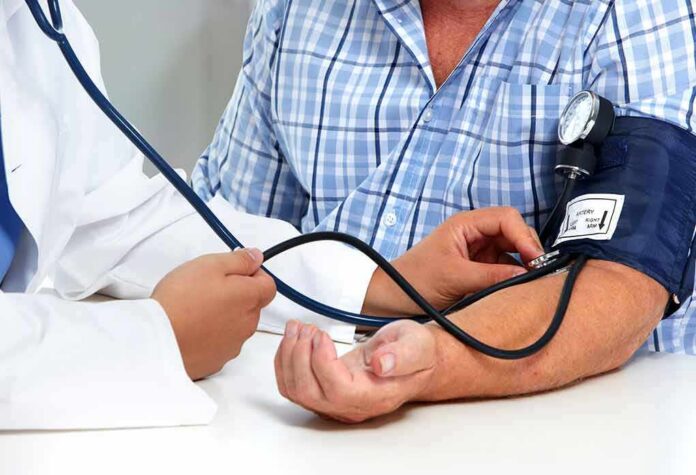
Your odds of avoiding a stroke may come down to a handful of numbers you can check in under five minutes.
Story Snapshot
- Stroke risk is not random roulette; many of the biggest dangers sit in your blood pressure, blood sugar, and cholesterol levels.
- Mayo Clinic calls stroke “mostly preventable” when those risk factors are aggressively managed, not casually ignored.
- Age, sex, race, and family history still matter, so the goal is risk reduction, not fantasy-level “zero risk.”
- Movement, diet, sleep, and no smoking—remain the backbone of stroke prevention, not trendy hacks.
Why Stroke Prevention Starts With A Blood Pressure Cuff
Mayo Clinic specialists keep coming back to one number for a reason: blood pressure. They advise most adults to stay under 130 over 80 to lower stroke risk, alongside controlling cholesterol and blood glucose.[4] High blood pressure quietly roughs up artery walls over decades, setting the stage for clots or vessel rupture. Checking your pressure at home and treating it early beats rolling the dice on a catastrophic, expensive hospital stay later.[7]
The clinic openly states that most strokes are preventable and that prevention works better than scrambling after a stroke has already hit.[7] That claim does not mean magic or guarantees; it reflects decades of data showing that when a population drives down blood pressure, smoking, and uncontrolled diabetes, stroke rates fall. For individuals, that translates into a very pragmatic question: are you actually hitting the targets your doctor keeps mentioning, or just assuming you are “probably fine”?
The Big Three You Can Control: Pressure, Sugar, Cholesterol
Stroke risk climbs when blood pressure, blood sugar, and cholesterol all drift high and stay there. Mayo Clinic’s prevention tips emphasize maintaining blood pressure under 130 over 80, keeping cholesterol in a healthy range, and controlling blood glucose if you have diabetes.[4][7] These are not exotic lab curiosities; they are the ordinary numbers most people ignore on their visit summaries. When those numbers move in the right direction, stroke risk usually moves in the opposite direction.[3]
Mayo Clinic Health System points out that bringing high blood pressure and high cholesterol into normal ranges can “considerably” reduce stroke risk, even though it cannot eliminate it.[3] That qualifier matters. Biology and genetics still play a role, and no serious clinician promises immunity. But from a cost-benefit lens, taking a pill, losing ten pounds, and walking daily is a small price compared with paralysis and long-term disability. Personal freedom does not vanish when you decide to keep your arteries in working order.
Lifestyle: The Uncomfortable Part You Actually Control
When Mayo physicians list stroke risks, a pattern emerges: overweight, physical inactivity, heavy drinking, illicit drugs, smoking, and poor diet all push you toward trouble.[2][3][4][6] Their Albert Lea stroke-prevention program turns that list into ten blunt tips: control high blood pressure, quit tobacco, manage diabetes, maintain a healthy weight, eat fruits and vegetables, exercise, drink alcohol lightly if at all, treat sleep apnea, avoid street drugs, and manage other heart and artery problems.[5] None of that is glamorous, but it is achievable.
The same material notes that being overweight contributes to high blood pressure, cardiovascular disease, and diabetes, while modest weight loss can lower blood pressure and improve cholesterol.[5] That does not require a perfect body or a trendy diet; it requires consistently better choices—fewer empty carbs, more produce, and regular movement. From a responsibility perspective, these are areas where personal decisions have outsized impact. Government cannot take your daily walk for you, and no app can stop you from lighting a cigarette.[3][5]
Sleep Apnea, Alcohol, And Other Underestimated Risks
Many people picture stroke as punishment for smoking alone, but Mayo Clinic highlights several quieter culprits. Obstructive sleep apnea appears repeatedly as a meaningful stroke risk; their experts advise screening and treatment, often using a continuous positive airway pressure device at night.[4][5][6] Heavy alcohol use and recreational drugs such as cocaine and methamphetamine also make the list, because they drive blood pressure spikes and damage blood vessels.[3][5][7] These risks are preventable if people act before symptoms explode into an emergency.
Clinicians also flag certain heart conditions, such as atrial fibrillation and other cardiovascular disease, as stroke multipliers.[3][5][7] Here, prevention shifts from lifestyle alone to a partnership with medical care—medications, heart rhythm management, and ongoing monitoring. You keep your end of the bargain by not abusing your body, and your physician brings the tools you cannot access on your own. The combination beats hoping the problem “never catches up” to you.
The Limits Of Control: Age, Genetics, And Where You Live
Mayo Clinic is clear that some stroke risks do not budge no matter how healthy you live. Age over 55, male sex, African American race, and a strong family history of stroke or heart attack all raise risk.[1][3][6] Prior stroke, transient ischemic attack, or heart attack also puts you on thinner ice.[5][6] The Albert Lea material adds factors like living in the southeastern United States and having lower income, signaling that geography and economics shape risk landscapes too.[5]
Their public-facing pages repeatedly stress that while everyone faces some baseline risk, many strokes can be prevented or delayed by tackling modifiable risks.[4][6][7] From a policy and cultural angle, that message walks a narrow line. Personal responsibility absolutely matters—no one else can put down the cigarette or make you walk. At the same time, pretending that a 75-year-old with a family history in a poor neighborhood has the same playing field as a wealthy 45-year-old is naive. Honest prevention talk must acknowledge both truths.[3][5]
Symptoms, Seconds, And Why Prevention Still Wins
Mayo’s stroke overview reminds people to watch for sudden trouble speaking, facial droop, weakness or numbness on one side, vision problems, balance trouble, or a sudden severe headache.[4][6] The instruction is unambiguous: call emergency services immediately, because every minute of delayed treatment increases brain damage. Modern clot-busting drugs and procedures can limit disability if delivered quickly, but they cannot rewind years of uncontrolled blood pressure or smoking.[4][6][7]
That reality brings the argument back to prevention. The clinic’s own treatment page states that most strokes are preventable and that prevention beats trying to repair the damage afterward.[7] Stroke prevention is not about living in fear; it is about quietly stacking the deck in your favor while you still feel fine. For many people over forty, the most radical move is not a new supplement or fitness gadget—it is finally taking those familiar, boring numbers seriously enough to change them.
Sources:
[1] YouTube – Mayo Clinic Minute – Preventing stroke
[2] Web – Mayo Clinic Q and A: 21st century stroke prevention strategies
[3] Web – Who is most at risk for a stroke? – Mayo Clinic Health System
[4] Web – Mayo Clinic Minute: Preventing stroke
[5] Web – Stroke prevention in Albert Lea – Mayo Clinic Health System
[6] Web – What is a stroke? A Mayo Clinic expert explains
[7] Web – Stroke – Diagnosis and treatment – Mayo Clinic