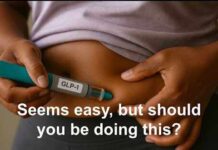
Glucagon-like peptide-1 drugs are turning out to be more than weight-loss tools; for the right patient, they may also be warning lights for the heart.
Story Snapshot
- Many studies link glucagon-like peptide-1 medications to fewer major cardiovascular events, especially in people with type 2 diabetes or established heart disease [2][6].
- The benefit appears tied to ongoing use, which means stopping treatment may erode the gains that headlines celebrate [4].
- Some of the strongest data come from high-risk groups, so broad claims for every obesity patient go beyond what this record proves [2][6].
- Safety, cost, and tolerance matter because the drugs can help, but they are not a free pass or a standalone solution [1][4][7].
Why the Heart Story Matters
Glucagon-like peptide-1 medications entered public life as appetite suppressors and diabetes tools, but the conversation has shifted toward heart protection. A large body of reporting in this record points to lower rates of heart attack, stroke, and other major cardiovascular events in selected patients, with the strongest evidence concentrated in people who already carry metabolic or vascular risk [1][2][6]. That matters because heart disease rarely arrives with drama. It usually announces itself through a trail of clues long before the first crisis.
The key clue is that the body does not separate metabolism from circulation. Blood sugar, body weight, blood pressure, blood vessel health, and inflammation all pull on one another. That is why clinicians increasingly treat these drugs as cardiovascular-risk medications, not just vanity prescriptions. The strongest summaries in this record say the benefit shows up most clearly in type 2 diabetes and in patients with prior cardiovascular disease, where preventing one more event can change the entire trajectory of aging [2][5][6].
What the Evidence Says About Benefit
The most useful number in the record is not the flashy percentage on a headline; it is the patient group behind it. One medical-center summary says trials in type 2 diabetes found around a 14 percent relative reduction in major cardiovascular events, while a pooled analysis reported lower rates of total stroke and ischemic stroke with glucagon-like peptide-1 receptor agonists [2][6]. Those findings suggest a real signal. They do not prove the same strength of benefit in every person who wants to lose weight.
That distinction matters because the public often hears “heart benefit” and assumes the case is closed. It is not. The evidence here leans heavily on high-risk cohorts, secondary reporting, and trial summaries rather than full trial papers in the package itself [1][2][3]. That does not erase the findings. It does mean a cautious reader should ask the right question: heart protection for whom, at what risk level, and over what time span?
Why Ongoing Use Changes the Conversation
One of the most important findings in this record is also the least flattering to wishful thinking. A Washington University summary of a British Medical Journal Medicine cohort study says cardiovascular benefit faded after treatment stopped and much of the protection was gone by 18 months after discontinuation [4]. That is a practical warning, not a slogan. If the benefit depends on persistence, then the drug behaves less like a one-time fix and more like an ongoing program with a bill attached.
Alarm for Australia's heart health: two-thirds of adults face cardiovascular risk. Experts ask whether GLP-1 meds – currently used for diabetes and weight loss – could cut risk and reshape prevention. Potential game-changer for public health. #health #cardio pic.twitter.com/Qgv5XYPfTu
— AussiEx.au (@aussiExau) May 18, 2026
That reality cuts against the fantasy that a patient can take the medication, pocket the gain, and move on. The evidence here suggests the opposite: continuous use may be necessary to keep the cardiovascular edge [4]. Durable health improvement usually requires durable behavior, durable follow-up, or durable treatment. Often, it requires all three.
What Patients Should Watch For
The body often tells its story before the doctor does. Changes in appetite, weight, energy, blood pressure, exercise tolerance, or blood sugar can point to the same metabolic troubles that later show up as vascular disease. The larger lesson from this evidence set is simple: if a drug improves heart outcomes, it is probably working on the deeper system behind those symptoms, not just the symptom itself [2][4][6]. That is why conversations about these medications should stay grounded in diagnosis, not hype.
Side effects and practical limits still matter. The supplied materials repeatedly mention nausea, dehydration, gallbladder problems, and the need for individualized medical supervision [4][7][8]. Cost and adherence also matter because the benefit weakens when treatment stops [4].
Sources:
[1] Web – Weight Loss Medications and Heart Disease Risk
[2] Web – Do weight-loss drugs reduce heart attack, stroke risk?
[3] Web – Popular GLP-1 weight-loss drugs like Ozempic slash heart attack …
[4] Web – Stopping GLP-1 drugs can quickly erase cardiovascular benefits
[5] Web – More Than Weight: GLP-1s Also Treat the Heart
[6] Web – Risk of stroke and retinopathy during GLP-1 receptor agonist … – PMC
[7] Web – How do GLP-1 medications impact heart health?
[8] Web – GLP-1, SGLT2 medications may lower stroke survivor’s risk of future …