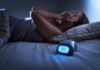
Your sleep tracker can turn a normal bad night into a full-blown insomnia problem by teaching you to fear your own bed.
Quick Take
- Orthosomnia describes obsessive sleep-data checking that can worsen sleep through stress and hyperarousal.
- Clinicians report a common pattern: people feel okay, see a “bad score,” then spiral into worry, longer time in bed, and worse nights.
- Wearables can reveal obvious triggers like late caffeine or alcohol, but sleep-stage and “readiness” certainty often outruns the science.
- CBT-I remains the gold-standard approach for chronic insomnia because it targets behaviors and beliefs that keep people awake.
Orthosomnia: When Sleep Becomes a Performance Review
Chris Kresser’s warning lands because it’s familiar: a person buys a ring or strap to “get healthy,” then ends up auditing every night like a quarterly report. Orthosomnia, first described in clinical literature in 2017, captures that shift from listening to the body to obeying the dashboard. The trap isn’t the device itself; it’s the message that a single number can grade something as variable as human sleep.
Sleep doesn’t respond well to surveillance. The more you try to force it, the more you activate the very system that blocks it. Patients show up to clinics armed with charts, convinced they’re broken because deep sleep dipped or REM looked “low.” That obsession can create a stress-response loop: worry raises arousal, arousal fragments sleep, fragmented sleep produces worse scores, and the next night begins with dread.
Why the Numbers Feel So Convincing, Even When They’re Wrong
Wearables do some things well, mainly distinguishing sleep from wake reasonably enough for casual use. The trouble starts when marketing turns approximations into authority. Experts quoted in reporting have compared stage breakdowns to “horoscopes” because home devices infer brain states from movement and heart signals, not full clinical monitoring. Night-to-night variation is normal, yet a color-coded app treats it like a problem to solve.
That mismatch between confidence and accuracy is gasoline on an anxious mind. A 40-something professional may wake refreshed, check a score, then reinterpret the entire morning as fatigue-in-waiting. The device becomes the decider of how you feel. The body’s cues should outrank a wrist sensor, but perfectionism loves the illusion of certainty, especially when life feels chaotic elsewhere.
The Anxiety Spiral: How Tracking Can Manufacture Insomnia
Kresser describes people extending time in bed to “earn” a better score, a classic insomnia mistake. More time in bed often means more time awake in bed, which trains the brain to associate the mattress with frustration. Add cortisol from performance pressure, and you get hyperarousal: the body acts like it’s on call, scanning for threats. The threat becomes the possibility of another bad number.
That cycle also invites compulsive rituals. People stop evening plans, micromanage temperature, and replay every choice—wine, screens, a tough conversation—as if they can calculate tomorrow’s sleep. Discipline has a place, but sleep isn’t a moral project. Responsibility includes knowing when a tool stops serving you and starts running you. No gadget deserves veto power over your peace.
When Trackers Help: The Two-Week “Snapshot” Approach
Trackers can be genuinely useful for quick education. Many people learn, fast, that alcohol fragments sleep, late caffeine lingers, and inconsistent wake times hurt more than they help. Used briefly, the data can support better habits. The problem comes when “learning” never ends and the goal shifts from understanding patterns to achieving nightly perfection. Biology doesn’t offer perfection; it offers adaptation.
A practical boundary matches what many clinicians recommend: treat the wearable like training wheels. Use it for a short, defined period—two weeks, maybe a month—then step back. If you keep tracking, narrow the focus to basics like bedtime consistency and total time asleep, not a staged breakdown that invites overinterpretation. If the app makes you tense, that reaction itself counts as a negative outcome.
CBT-I: The Boring Answer That Actually Works
CBT-I (Cognitive Behavioral Therapy for Insomnia) sounds less exciting than a new ring, which is exactly why it gets ignored. It targets the real drivers: unhelpful beliefs (“If I don’t get eight hours, tomorrow is ruined”), conditioned arousal (bed equals stress), and behaviors that backfire (sleeping in, napping late, lingering in bed). It also uses sleep restriction and stimulus control—counterintuitive, but effective.
CBT-I respects the body’s design. Sleep arrives when the brain feels safe and sleepy, not when it feels graded. That emphasis aligns with plain reality: humans slept long before dashboards existed, and they still do best with routine, sunlight, movement, and a calm mind. Wearables can’t replace that foundation; at best they can point at it—briefly—before stepping out of the way.
The Exit Ramp: How to Stop Chasing Scores Without Giving Up on Health
Start by breaking the morning check. If you must look, delay it to midday when you’ve already proven you can function. Next, hide sleep-stage screens and disable notifications that label your day before it begins. Replace the score with a simple journal: how long it took to fall asleep, how many times you woke, how you felt at 10 a.m. The goal is awareness without obsession.
Then draw the line that most tracker companies won’t: if the device makes your sleep worse, stop using it. Health tech should reduce uncertainty, not multiply it. People over 40 have seen enough “miracle solutions” to recognize the pattern—new product, bold promise, creeping dependency. Keep the habits, ditch the compulsion, and let sleep go back to doing what it does best when you stop hovering.
Sources:
https://www.popsci.com/health/can-tracking-sleep-make-it-worse/