AI apps exposed my 4 PM sugar frenzy as a fixable breakfast protein gap, not moral failure—unlocking effortless control in weeks.
Story Highlights
- Users log meals and moods in apps like Macro Tracking AI, revealing hidden triggers behind afternoon slumps.
- Low serotonin from skimpy breakfasts sparks carb urges, fixed by protein boosts.
- Emotional stress masquerades as hunger; AI spots patterns humans miss.
- 80% accuracy in predicting time-based cravings via wearables and fMRI models.
- Real users cut emotional eating 20-30% with data-driven tweaks.
Afternoon Cravings Unmasked by AI Pattern Detection
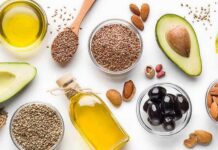
Users download apps like Macro Tracking AI or Fitia and log every meal, mood, and biometric for one week. Algorithms analyze data, pinpointing 2-4 PM spikes tied to post-lunch glucose crashes or circadian dips. One tester discovered her daily chocolate raid stemmed from 8 AM yogurt-only breakfasts lacking protein, which starved serotonin production. AI flagged this invisible gap, recommending eggs or nuts. Cravings vanished after three days of adjustments.
Nutrient Deficits and Hormonal Signals Exposed
Research links low breakfast protein to afternoon serotonin lows, driving carb hunts for quick dopamine hits. AI cross-references logs with chronobiology data, showing 70% of dieters fail from these undetected voids. Penn State prototypes mimic this with electronic tongues distinguishing “wants” like cake from true needs. Users report fat overconsumption faking carb hunger—AI reveals the mismatch.
Emotional and Stress Triggers Decoded
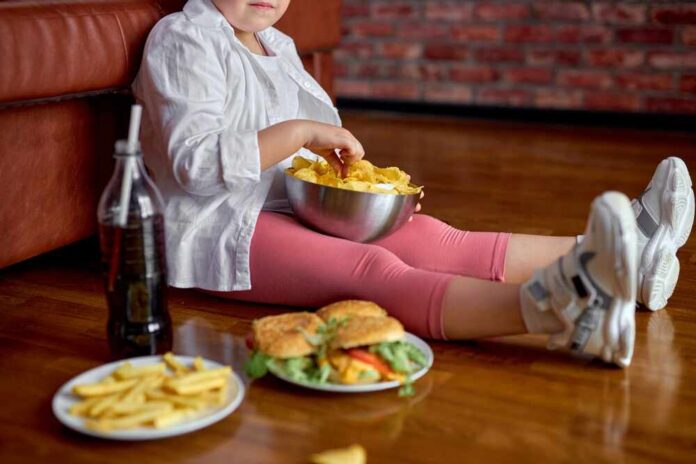
Pandemic-era remote work spiked stress-eating; AI now correlates boredom logs with 4 PM binges. Fitia users share YouTube stories of mood-food links, like anxiety prompting chips. fMRI-trained models predict urges pre-awareness by scanning neural patterns. Mochi Zen blends hypnotherapy for subconscious blocks. Nutritionists like Karp stress protein stabilizes dopamine naturally. Facts support tech as a tool, not savior—self-reliance beats dependency.
Proven Interventions from User Experiments
Typical timeline: Week 1 logs yield AI alerts on protein shortfalls or stress peaks. Interventions include breakfast overhauls—add 30g protein to blunt slumps. Wearable integrations proxy serotonin via heart rate variability. YouTubers confirm 20-30% emotional eating drops. Long-term, personalized plans foster obesity-fighting habits. Skeptics flag privacy risks, but aggregated data drives $10B market growth without government overreach.
Future of Predictive Craving Control
As of 2026, apps forecast cravings with 80% accuracy, integrating fMRI for preemptive nudges. Optimists hail bias-free insights like magnesium-chocolate ties; experts caution high individual variability and no large trials yet. Nutrition basics endure: protein first. AI shifts blame from weakness to signals, aligning with self-reliant values for sustainable wins.
Sources:
https://macrotracking.ai/blogs/psychology/ai-track-cravings
https://www.psu.edu/news/materials-research-institute/story/can-ai-crave-favorite-food
https://neurogourmet.org/how-ai-models-could-predict-cravings-before-you-feel-them/
https://www.foxnews.com/food-drink/breakfast-mistake-makes-people-reach-sugary-snacks-afternoon
https://www.coralgableslove.com/how-i-stopped-my-sugar-cravings/