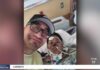
A surgeon replaced two failing organs in one operation, and a man who hadn’t danced in decades woke up with the “brain fog” gone and the beat coming back.
Story Snapshot
- Nakia Odom lived with type 1 diabetes and end-stage kidney disease until a simultaneous kidney-pancreas transplant at Mayo Clinic.
- He reportedly stopped needing insulin shots and dialysis after the transplant, and his day-to-day clarity and pain improved quickly.
- One year later, he returned to tap dancing, a craft he describes as spiritual as much as physical.
- Kidney-pancreas transplants can function like a practical “cure” for diabetes in carefully selected patients, but they demand lifelong immune-suppressing drugs.
A tap dancer’s comeback that starts with an operating room, not a stage
Nakia Odom’s story lands because it isn’t framed as a medical victory lap; it’s framed as a life returned. He lived with type 1 diabetes for years, then end-stage kidney disease stacked on top of it, pulling him into the exhausting routine of dialysis and the constant vigilance of insulin. After a simultaneous kidney-pancreas transplant at Mayo Clinic in spring 2025, he described waking up with the mental haze lifted and pain reduced—improvements that feel immediate because they are.
That detail matters for anyone over 40 who has watched chronic illness shrink a person’s world. Dialysis schedules dictate meals, travel, work, sleep, even moods. Brittle diabetes dictates the rest. When Odom returned to tap dancing about a year later, it wasn’t just “exercise after surgery.” It signaled independence: fewer machine hours, fewer medication rituals, fewer moments where life gets negotiated down to the bare minimum.
Why a kidney-pancreas transplant can “cure” diabetes when pills and discipline can’t
Type 1 diabetes isn’t a behavior problem; it’s an organ failure problem. The pancreas can’t produce insulin the way it should, so every meal becomes math and every night becomes risk management. A successful pancreas transplant restores insulin production, which can eliminate the need for insulin injections. When surgeons pair that with a kidney transplant for someone already in kidney failure, they target both disasters at once: the original diabetes and one of its harshest long-term complications.
Specialists have tracked this for decades, and the plain-English translation is simple: for certain patients with type 1 diabetes and kidney failure, this operation can deliver insulin independence and a much better quality of life than dialysis. Outcomes also hinge on the unglamorous realities—immunosuppression adherence, infection risk, and follow-up discipline. No procedure turns someone into a superhero; it returns them to normal responsibilities, just with a better starting point.
The hidden villain is time: dialysis keeps you alive, but it steals your calendar
People talk about dialysis like it’s “treatment,” but patients often describe it as a second job that doesn’t pay and can’t be quit. Long-term dialysis can keep someone alive while steadily wearing them down. Transplant centers emphasize survival and quality-of-life improvements after kidney transplant compared with staying on dialysis, and that gap becomes even more meaningful when the transplant also addresses diabetes. Odom’s report of mental clarity returning fast fits what many patients say: the body stops fighting a daily uphill battle.
The national bottleneck isn’t medical knowledge; it’s organ supply and timing. Thousands of people sit on kidney-pancreas waitlists, and wait times commonly stretch one to three years depending on factors like blood type, sensitization, and geography. The most useful takeaway isn’t outrage—it’s urgency about donation and personal readiness.
Eligibility rules sound cold because the stakes are hot
Transplant teams screen aggressively because a combined transplant is major surgery followed by lifelong immune suppression. Common criteria include no active infections, acceptable cardiovascular risk, and often BMI thresholds. Those rules frustrate families, but they reflect hard math: a donated organ is irreplaceable, and surgeons must place it where it has the best chance to function for years. That’s not elitism; it’s stewardship. The uncomfortable truth is that some people must improve their candidacy before doctors can responsibly proceed.
Patients don’t “deserve” organ failure, and donors don’t “owe” anyone organs. The system tries to honor both: protect scarce gifts while giving the sick a fair shot. Odom’s story resonates because it shows what happens when preparation, medical skill, and donor generosity align. It also hints at what’s missing for others still waiting—time, compatible organs, or medical stability.
Robotics and innovation help, but donation and follow-through decide the ending
Mayo Clinic and other centers have pushed new techniques, including robotic approaches in some transplant scenarios, aiming to reduce trauma and speed recovery for appropriate candidates. Technology can improve the experience, but it cannot solve the fundamental shortage. The biggest “innovation” still comes from a decision made at the DMV or through a family conversation that takes five minutes and saves years of suffering for a stranger. That conversation remains the quiet engine behind every triumphant headline.
Odom’s return to tap dancing is the kind of scene that sticks because it compresses a complicated medical reality into a single sound: shoes striking wood in rhythm again. The serious part comes after the applause. Transplant recipients must take immunosuppressive medications for life, manage side effects, and show up for routine monitoring to prevent rejection. The miracle is real, but it comes with chores—and grown-ups understand that the chores are the price of staying free.
Kidney-pancreas transplant gives tap dancer new life without diabetes – YouTube – https://t.co/8kwjrBcpV5 #GoogleAlerts
— James Myers (@JamesMy56782210) May 1, 2026
For readers who want a practical bottom line, it’s this: kidney-pancreas transplant can return a person to ordinary living when diabetes and kidney failure have made ordinary living impossible. Odom’s story proves the point in the most human way—by showing that health isn’t just lab numbers. Sometimes it’s the ability to stand, breathe, focus, and do the one thing you thought you’d lost for good.
Sources:
Kidney-pancreas transplant gives tap dancer new life without diabetes (VIDEO)
Mayo Clinic announces first robotic pancreas-kidney transplant (VIDEO)