Scientists just found a hidden helper living inside your gut that turns broccoli and beets into medicine for your heart.
Quick Take
- Researchers at Karolinska Institutet found gut bacteria convert nitrate and plant-based iron from food into protective molecules called dinitrosyl iron complexes, or DNICs.
- In animal studies, higher DNIC levels linked to lower blood pressure, better blood sugar control, and less fat buildup in the liver.
- The compounds form only through bacterial action, not inside human cells, meaning gut microbes may act as a hidden nutrient factory.
- The findings appeared in the journal Cell on August 19, 2026, adding a new chapter to years of nitrate-and-microbiome research.
What The Swedish Team Actually Found
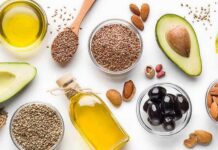
Researchers at Karolinska Institutet in Sweden discovered that gut bacteria can grab two things from your dinner plate, nitrate and non-heme iron, and fuse them into a new molecule. That molecule, the dinitrosyl iron complex, then travels through the bloodstream to organs like the liver and kidneys. Nitrate shows up heavily in beets and leafy greens. Non-heme iron comes from beans, lentils, and whole grains.
The study, published in Cell, carries the title “Gut microbiota generate dinitrosyl iron complexes with cardiometabolic benefits.” That title alone tells you where the excitement comes from. This isn’t just another “eat your vegetables” reminder. It’s a specific chemical pathway, with a name and a mechanism, that explains why certain plant foods might do more than fill you up.
Why The Combination Matters More Than Either Nutrient Alone
In experimental models, animals with higher DNIC levels showed lower blood pressure, better blood sugar control, and healthier blood vessels. Liver fat dropped too. The benefits showed up strongest when nitrate and iron appeared together in the diet, not separately. That detail flips a common assumption. People often think of iron and nitrate as two unrelated nutrients tracked on separate labels. This research treats them as a team.
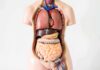
The mechanism itself sounds almost like a tiny assembly line. Gut bacteria use an enzyme called nitrate reductase to break down nitrate step by step. The resulting compound then links up with iron and sulfur-containing molecules to build the DNIC structure. Special transport proteins then carry it out of the gut and into the bloodstream, spreading it to organs far from where it started.
How This Fits With Older Nitrate Research
This isn’t the first time scientists have connected vegetables, bacteria, and heart health. Oral bacteria have long been known to convert dietary nitrate into nitric oxide, a molecule that relaxes blood vessels and helps regulate blood pressure. But that older nitrate story has never been simple. One large human study found nitrate only lowered insulin resistance in people who already had lower levels of nitrite-producing oral bacteria, meaning the same beet juice helped some people and did nothing for others.
Iron research carries its own complications. Some studies show elemental iron can actually protect gut bacteria from stress and imbalance. Other reviews warn that iron supplements, taken the wrong way, may harm the very bacterial communities researchers now say are essential for making these protective molecules. That tension matters. It suggests the benefit isn’t just about eating more iron or more nitrate. It’s about whether your personal gut bacteria are equipped to do the conversion work in the first place.
What This Means For The Vegetables On Your Plate
None of this means a vegetable pill is coming to replace dinner. The Karolinska findings come from experimental models, not large human trials, and researchers themselves frame this as a mechanism worth exploring further. Still, the science lines up with something conservative, common-sense nutrition advice has said for decades. Real food, grown from the ground, appears to work with the body in ways a lab can’t fully replicate in a capsule.
The bigger takeaway may be this. Your gut bacteria aren’t passive passengers riding along for the meal. They’re active chemists, turning raw plant material into compounds your organs can use. Beets, spinach, arugula, lentils, and whole grains might matter less for their individual nutrient counts and more for the reaction they trigger once bacteria get hold of them.
Sources:
sciencedaily.com, news.supwil.com, pmc.ncbi.nlm.nih.gov, pubmed.ncbi.nlm.nih.gov, mdpi.com, medrxiv.org, nutritioninsight.com