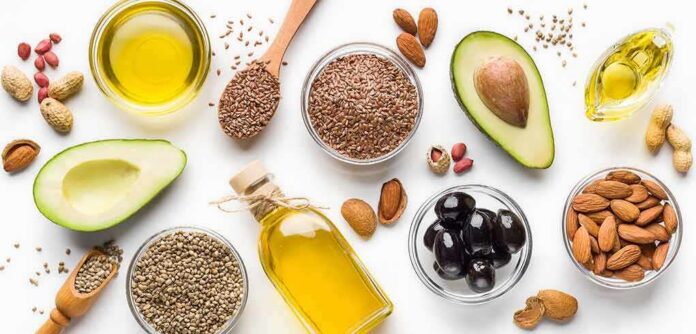
Scientists just found a possible reason olive oil and fish might keep your heart and brain young: tiny proteins made inside your cells’ power plants.
Quick Take
- A new peer-reviewed study links Mediterranean diet habits to higher levels of two mitochondrial proteins called humanin and SHMOOSE.
- Researchers studied blood from 49 older adults and sorted them by how closely they followed the diet.
- People with the strongest diet adherence had notably higher levels of both proteins and lower signs of cell stress.
- Olive oil, fish, and legumes tracked with higher humanin; olive oil and fewer refined carbs tracked with higher SHMOOSE.
- The study shows a link, not proof that the diet causes these changes or stops disease.
What The New Study Actually Found
Researchers published their work in Frontiers in Nutrition, led by Roberto Vicinanza and colleagues, including longevity researcher Pinchas Cohen. The paper carries a direct title: Mediterranean diet adherence is associated with mitochondrial microproteins humanin and SHMOOSE, with a possible role for humanin’s interaction with an enzyme called Nox2 in protecting the heart. That title alone tells you the study’s main claim and its limit. It reports an association, not a cause-and-effect result.
The team drew blood from 49 older adults and grouped them by how closely their eating matched traditional Mediterranean patterns. The group with the highest adherence showed significantly higher levels of both humanin and SHMOOSE, along with lower markers of oxidative stress, according to the University of Southern California’s Leonard Davis School, which helped lead the research. Oxidative stress is basically wear and tear on cells, the kind linked to aging, heart disease, and memory loss.
Why These Two Tiny Proteins Matter
Humanin and SHMOOSE are microproteins, meaning they’re tiny compared to normal proteins and easy for scientists to overlook for years. Both come from mitochondria, the structures inside cells that produce energy. Earlier lab research has tied humanin to protecting brain cells in conditions like Alzheimer’s and Parkinson’s disease, while SHMOOSE has been studied for its role in metabolism and cell energy balance. Finding both linked to a well-known healthy diet gives researchers a possible biological explanation worth testing further.
The food-level detail adds some texture to the headline finding. Olive oil, fish, and legumes tracked with higher humanin levels. Olive oil again, plus lower intake of refined carbohydrates, tracked with higher SHMOOSE. That pattern lines up with what dietitians have pushed for decades: healthy fats and whole foods over processed starches and sugar. It gives a molecular face to advice your doctor has probably already given you.
What This Study Can And Cannot Tell You
No one randomly assigned these 49 people to eat differently and then measured their blood before and after. Researchers simply measured existing habits and existing protein levels at one point in time. The study’s own authors acknowledge this limitation directly, noting that the small sample size and narrow age range restrict how far the findings can be generalized and limit the strength of the statistical analysis. That’s a normal and honest caveat in early-stage research, not a reason to dismiss the result.
The study also does not show that raising these proteins through diet actually prevents heart attacks, strokes, or dementia. The measured outcomes were blood protein levels and oxidative stress markers, not hospital visits or survival rates. This fits a familiar pattern in nutrition science: a diet already linked to good health outcomes gets connected to a promising biological marker, and that marker still needs years of follow-up before anyone can call it proven protection.
The Bigger Picture On Mediterranean Diet Research
The Mediterranean diet already has a strong track record in large, randomized research. The PREDIMED trial, a major Spanish study, found a lower rate of heart attacks, strokes, and cardiovascular death among people eating the diet rich in olive oil and nuts. This new microprotein study doesn’t replace that evidence. It adds a possible molecular reason the diet might work, built on a much smaller sample and an observational design.
For readers over 40 already watching cholesterol and blood pressure, the takeaway is simple and doesn’t require waiting on more lab work. Eating more olive oil, fish, legumes, and fewer refined carbs already has decades of solid backing for heart health. This study gives scientists a new thread to pull on, testing whether humanin and SHMOOSE are part of the reason that diet works, or just an interesting coincidence riding along with it.
Sources:
sciencedaily.com, gero.usc.edu, topics.consensus.app, medicaldialogues.in