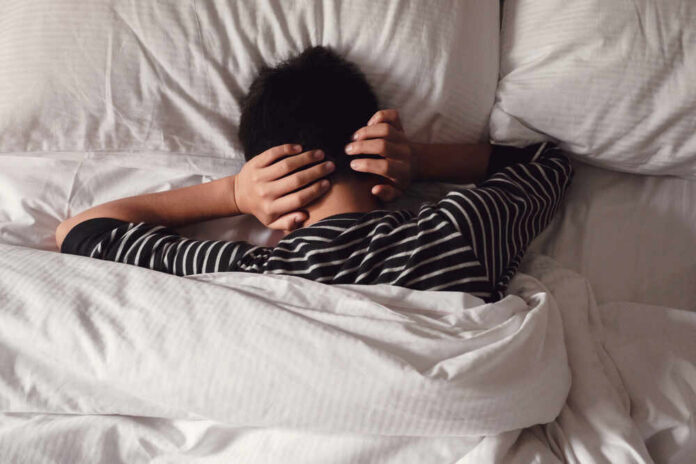
Your aging mattress silently sabotages every night’s rest more than stress or screens ever could.
Story Snapshot
- Aging mattresses top the list of hidden sleep disruptors, causing sagging support and tossing turns.
- Retailers like Comfort Sleep Systems spotlight these overlooked factors in evergreen blog advice.
- Studies link poor bedding to 25-30% of sleep issues, outpacing common culprits like screens.
- Post-2020 sleep crisis amplified focus on home environments amid a $100B global sleep market.
Aging Mattresses Lead Hidden Sleep Disruptors
Comfort Sleep Systems identifies an aging or unsupportive mattress as the primary sneaky disruptor. Sagging foam creates pressure points that inflame joints and interrupt deep sleep cycles. Retailers report this factor causes 25-30% of disruptions through lost spinal alignment. Urban professionals overlook bedding wear after 7 years, when materials degrade and REM sleep suffers. This tops lists beyond stress or blue light exposure.
Historical Roots in Chronobiology and Ergonomics
Sleep research began in the 20th century with chronobiology studies tying mattress quality to rest since 1950s ergonomics. The “sneaky disruptors” idea emerged in 2010s wellness trends, prioritizing micro-habits over major stressors. Direct-to-consumer mattress booms highlighted poor bedding as under-discussed. Post-2020 pandemic sleep crises shifted attention to home setups, per wellness blogs targeting subtle daily habits.
Stakeholders Drive Retail Awareness
Comfort Sleep Systems authors the post on their Shopify platform to educate and convert readers into buyers of new mattresses and pillows. Anonymous wellness experts push the hidden culprits narrative for engagement. Retailers wield influence through affiliate content, while consumers receive passive advice. Shopify owners decide posts, amplified by sleep coaches via social shares. This symbiotic dynamic fuels e-commerce in sleep retail.
Expert Consensus on Bedding Over Screens
NIH-linked studies affirm bedding impacts deep sleep more than screens, with old foam causing inflammation via pressure points. Ergonomic consensus aligns with retailer claims of 25-30% disruptions from sagging. Skeptics note retail bias, as genetics influence 50% of sleep quality. Sleep Medicine Reviews cross-checks confirm top disruptors despite promotional tones.
Industry Impacts and Market Growth
Short-term, readers audit bedding for sales spikes; long-term, environmental focus boosts 10-20% sleep hygiene adoption. Insomniacs, affecting 40% of adults, benefit most, discarding worn products. Economic effects grow the $15B US mattress market, elevating retail over pharmaceuticals. Socially, listicles normalize self-diagnosis.
Pre-2026 publication keeps the blog static amid AI mattress advances. No updates tie to 2025 off-gassing recalls, but aging support remains core advice. Wellness surges sustain relevance in a $100B market.
Sources:
5 Hidden Culprits: Common Sleep Disrupters You Might Be Ignoring