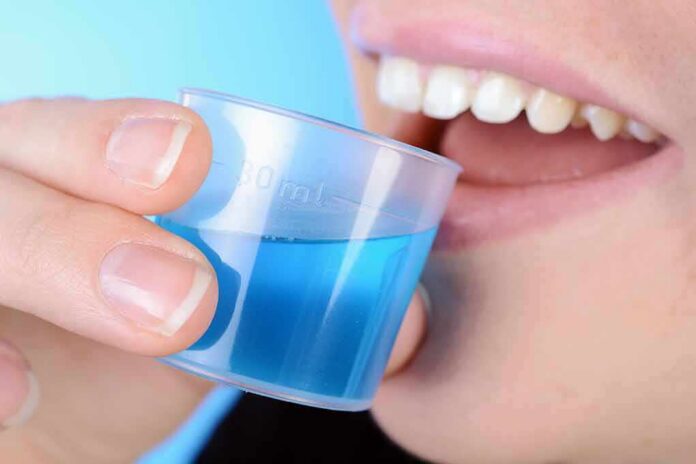
A small cup of pure cranberry juice slowed down the bacteria that cause cavities, according to new research out of the University of Illinois Chicago.
Quick Take
- A new study found pure cranberry juice slowed plaque regrowth in both kids and adults.
- Researchers tested 22 people, giving each unsweetened cranberry juice, sweetened cranberry cocktail, and plain water.
- Only the pure, unsweetened juice cut plaque regrowth and acid production in a meaningful way.
- The study only looked at short-term lab results, not whether people actually got fewer cavities.
What The Study Actually Tested
Researchers at the University of Illinois Chicago College of Dentistry ran two randomized crossover trials. Fourteen children and eight adults each tried three drinks: unsweetened cranberry juice, a sweetened cranberry cocktail, and plain water. Scientists then watched how plaque taken from each participant’s mouth behaved afterward. Principal investigator Christine Wu said plaque exposed to pure cranberry juice grew more slowly than untouched samples.
The numbers backed up that observation. After four hours of lab incubation, plaque regrowth dropped to about 56 percent of its starting level in adults. In children, it fell to roughly 67 percent. Translated into plain terms, that’s close to a 44 percent slowdown in adults and a 33 percent slowdown in kids, compared to baseline growth.
Why The Sugar-Free Version Matters Most
The sweetened cranberry cocktail and plain water did not produce a statistically significant drop in plaque regrowth. Only the 100 percent juice did. That distinction matters because it points toward natural compounds in cranberries, not sugar or flavor, as the likely reason behind the effect. Researchers also found less acid production in plaque from both age groups after rinsing with the pure juice.
Acid matters because it’s what eats away enamel and opens the door to cavities. Less acid production, paired with slower bacterial regrowth, suggests cranberry compounds may interfere with the biofilm process that starts tooth decay in the first place. The findings were published in Scientific Reports, giving the work the kind of peer review that separates real science from wellness-aisle marketing claims.
What This Study Does Not Prove Yet
The trial involved just 22 people, and plaque was checked only about 30 minutes after they drank the juice. That’s enough to catch a short-term biological reaction, but not enough to prove cranberry juice actually prevents cavities over weeks, months, or years. Wu herself has said more research is needed before anyone draws bigger conclusions.
Cranberry Juice Appears to Suppress Dental Plaque Growth, Study Reveals : ScienceAlert https://t.co/7lCRaZgilh
— The Unvaxxed Dutchman (@dotcomnieuws) October 28, 2026
Broader research backs the general idea that cranberry compounds fight plaque, but a 2024 review of existing studies found the evidence base is still uneven, with different juice concentrations and testing methods across trials. Dental groups also continue to warn that acidic drinks, cranberry juice included, can wear down enamel if consumed too often without rinsing with water afterward. The practical takeaway sits in the middle: pure cranberry juice looks promising in the lab, but it’s not a replacement for brushing, flossing, or common sense about sugary drinks.
Sources:
sciencedaily.com, dentistry.uic.edu, blogs.uofi.uillinois.edu, sciencealert.com, decisionsindentistry.com