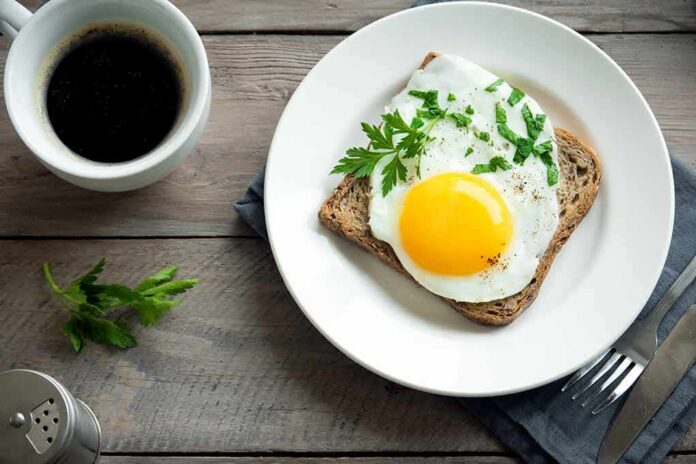
Skipping a big enough breakfast may hurt your heart health just as much as eating the wrong foods in the morning, new research shows.
Quick Take
- A study of older adults found both breakfast portion size and food quality affect heart and metabolic health.
- Researchers tracked 383 people in the PREDIMED-Plus trial, a major Mediterranean diet study.
- Low-energy, low-quality breakfasts were tied to worse outcomes, including bigger waistlines and higher triglycerides.
- The findings challenge the idea that cutting calories at breakfast is always the healthy choice.
What The Study Actually Found
Researchers from the Hospital del Mar Research Institute published their work in The Journal of Nutrition, Health and Aging. They followed 383 older adults already at high cardiovascular risk. The team didn’t just look at what people ate for breakfast. They also measured how much energy, or calories, people took in during that meal, then tracked heart health markers over time.
The results showed a clear pattern. People who ate low-quality breakfasts and also ate too little saw their waist size and triglyceride levels climb over three years. At the 36-month mark, low-quality breakfasts were linked to higher waist circumference and higher triglycerides compared to better morning meals. That combination of poor food choice and poor portion size appears to compound the damage.
Why Portion Size Can’t Be Ignored
For years, nutrition advice focused mostly on what to eat, not how much. This study pushes back on that narrow view. Eating an adequate amount of energy in the morning, paired with high-quality food, helped lower cardiovascular risk factors in the trial participants. In plain terms, a tiny bowl of oatmeal might check the healthy box, but if it leaves you running on empty, it may not be enough.
This fits a bigger problem in breakfast science. A review of randomized trials found that people who eat breakfast actually consume about 260 more calories a day than people who skip it entirely. That finding undercuts the old belief that skipping breakfast automatically helps control weight. The real story is more complicated than “eat less” or “eat more.” It depends on matching energy intake to quality.
How This Fits The Bigger Picture On Diet And Aging
This breakfast research joins a growing pile of evidence that diet quality shapes long-term health, especially for older adults. A separate 30-year study tracking more than 100,000 people found that sticking with a healthy diet in midlife raised the odds of healthy aging later in life. Another analysis found plant-rich diets with little ultra-processed food boosted the chances of aging well.
Diet quality research isn’t limited to the heart, either. One Australian study found healthy eating reduced chronic pain in adults working on weight loss, showing food choices ripple into areas people don’t expect. Separate research on older adults found that healthy dietary patterns slowed the buildup of chronic disease over time, reinforcing that food habits compound over decades, not just months.
What This Means For Everyday Breakfast Choices
The takeaway for readers isn’t complicated, even if the science is. Skipping breakfast to cut calories, or eating a small portion of “healthy” food, may not protect your heart the way you think. Researchers are pointing toward a simpler standard: eat enough food, and make sure it’s good food. Quality and quantity work together, not against each other, especially for people managing cardiovascular risk.
For adults over 40 juggling busy mornings, the lesson lands close to home. A rushed half-piece of toast might feel disciplined, but the data suggests your body needs a real meal, not a token gesture. Common sense has always said breakfast matters. Now there’s a clinical trial behind it, tracking real people over real years, not just a slogan on a cereal box.
Future studies will likely dig deeper into exact calorie thresholds and which food combinations work best for different age groups. Until then, the practical guidance holds steady: don’t just ask what’s on your plate at breakfast, ask if there’s enough of it.