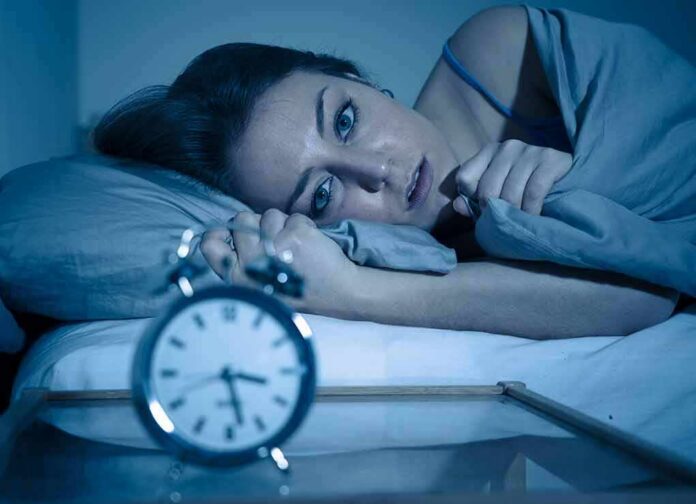
The light from your phone charger, streetlamp, or hallway nightlight may be quietly thickening the walls of your heart.
Story Snapshot
- A study of over 11,000 adults found that people with the most nighttime light exposure had thicker, stiffer heart walls on MRI scans.
- Researchers tracked light exposure with wrist sensors for seven nights, then followed up with detailed cardiac imaging.
- The heart changes followed a straight-line pattern, more light meant more structural change, not just a cutoff effect.
- Scientists say the study shows a strong link, but it does not prove that light alone causes the damage.
What Researchers Found in the Heart Scans
The study appeared in the European Heart Journal on September 9, 2026. It followed 11,071 adults who had no heart disease at the start. Each person wore a light sensor for seven nights. Years later, doctors used cardiac MRI to check their hearts. People with the highest nighttime light exposure, above 3 lux, showed clear differences in heart shape.
Those in the high-exposure group had 2.4% greater left ventricular mass and 1.5% thicker heart muscle walls, both measured against height. Their hearts also pumped less efficiently, showing 1.9% lower myocardial contraction fraction. That number reflects how well the heart’s main pumping chamber does its job.
The Damage Went Beyond One Chamber
The changes were not limited to wall thickness. Researchers also found lower strain scores, a measure of how the heart muscle stretches and squeezes with each beat. Circumferential strain dropped 2.7%, radial strain fell 2.9%, and longitudinal strain declined 2.8% in the high-exposure group. These numbers point to a heart working harder just to keep up.
The left atrium, right ventricle, and left ventricle all showed larger chamber volumes among people exposed to more nighttime light. That pattern suggests light exposure may reach multiple parts of the heart, not just one localized area. Researchers described the overall pattern as a straight-line, dose-response relationship, meaning more light tracked with more structural change at every step, not just past a single threshold.
Why Doctors Are Paying Attention Now
Lior Yankelson, the Tulane researcher who led the work, said the results showed the heart’s left chamber walls thickened and lost space as light exposure rose. He framed the finding in plain terms for the public, calling it a signal that something as ordinary as a nightlight might carry real physical weight over time.
The European Society of Cardiology called the changes “important and potentially harmful” in a statement tied to the publication. That kind of language from a major cardiology group signals the finding is being taken seriously inside the medical community, not dismissed as a minor curiosity.
How This Fits a Larger Pattern of Warnings
This study does not stand alone. Earlier research on nearly 89,000 adults found that brighter nighttime light tracked with higher rates of coronary artery disease, heart failure, atrial fibrillation, and stroke, independent of other known risk factors. Another large analysis linked the brightest sleeping environments to an 11 to 39 percent higher risk of death from any cause.
Scientists believe light at night may work through disrupted sleep and suppressed melatonin, the hormone that helps regulate the body’s internal clock. Disrupted circadian rhythms have long been tied to higher blood pressure, reduced heart rate variability, and inflammation, all of which stress the cardiovascular system over time.
What the Study Cannot Yet Tell Us
The research is observational, meaning it shows a strong link but does not prove light exposure directly caused the heart changes. The seven-night measurement window is also short compared to years of habits before the MRI scans. Researchers have not yet confirmed whether these small structural shifts lead to heart attacks, heart failure, or other hard clinical outcomes down the road.
More nighttime light was associated with subtle cardiac remodeling and later cardiovascular outcomes in UK Biobank analyses. Intriguing signal—but observational evidence cannot show that light caused the heart changes. pic.twitter.com/7ZLysab3pl
— The Snooze Button (@GetYourSnoozeOn) September 27, 2026
Even with those open questions, the message lines up with plain common sense. A dark bedroom has long been considered good sleep hygiene, and now there is a growing body of hard data suggesting it may protect more than just your rest. Closing the blinds and dimming the phone screen costs nothing and may be worth the effort while scientists keep digging for answers.
Sources:
mindbodygreen.com, pubmed.ncbi.nlm.nih.gov, escardio.org, cnn.com, emjreviews.com, time.com