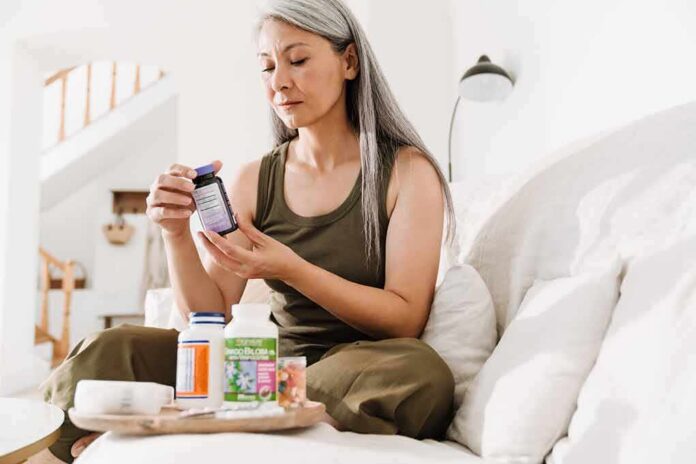
The vitamin aisle promises antioxidants can slow the clock on aging, but decades of human trials tell a messier story than the label suggests.
Quick Take
- Oxidative stress damages cells over time, and antioxidants can neutralize some of that damage in lab studies.
- Large human trials of single antioxidant pills have repeatedly failed to prevent heart disease, cancer, or early death.
- High doses of certain antioxidants, including vitamin A, vitamin E, and beta-carotene, have been linked to higher death rates.
- Harvard and Mayo Clinic both say whole foods beat supplements when it comes to real antioxidant benefits.
Why Oxidative Stress Matters As You Age
Your body creates unstable molecules called free radicals every day, just from breathing and eating. Left unchecked, these molecules damage cells, proteins, and even DNA. Scientists call this oxidative stress, and it shows up in nearly every major aging-related condition. Antioxidants are the body’s cleanup crew, and research shows they can calm inflammation and support the tiny energy factories inside cells called mitochondria.
The Lab Promise Versus The Trial Reality
Test tube and animal studies paint an encouraging picture. Compounds like vitamin C and N-acetylcysteine have shown they can lower markers of cell aging in controlled settings. But when researchers moved these ideas into large human trials, the results got shaky. A major analysis of fifty separate trials found no drop in heart attacks, strokes, or deaths among people taking antioxidant vitamins compared to those on a placebo.
That gap between promising lab data and disappointing human trials is not unique to antioxidants. It shows up across nutrition science constantly. A mechanism that looks powerful under a microscope often gets diluted, blocked, or overwhelmed once it enters a complicated human body eating a normal diet.
When More Isn’t Better, And Can Be Worse
Some antioxidant supplements have done more than just fail to help. Older research found that vitamins A and E, along with beta-carotene, were tied to a higher risk of dying from any cause when taken as concentrated pills. One review specifically warns that daily vitamin E doses of 400 international units or more should be avoided because of that death risk. Harvard Health puts it bluntly: too much of these supplements will not help you, and it might actually hurt you.
This pattern matters for anyone over forty chasing longevity trends on social media. Supplement companies love citing the mechanism studies while quietly skipping past the mortality data. A conservative, common-sense approach means asking what the actual human trial showed before spending money on a bottle promising to reverse aging.
Food First, Pills Second: What The Experts Actually Recommend
Harvard’s Nutrition Source states that whole fruits, vegetables, and whole grains offer a network of antioxidants working together with fiber and minerals, something a pill cannot copy. Mayo Clinic agrees, stating plainly that plant-based foods are the best source of antioxidants, while individual antioxidant supplements carry far less scientific backing. That is not a minor technicality. It is the difference between decades of consistent dietary evidence and a stack of mixed, sometimes troubling supplement trials.
None of this means antioxidants are a scam or that oxidative stress is fake science. The mechanism is real, and food-based antioxidants clearly play a role in healthy aging. The honest takeaway is narrower than the marketing suggests. Eat the colorful produce, skip the mega-dose pills promising to turn back your biological clock, and treat any single-ingredient anti-aging supplement claim with the skepticism it has earned.
Future research still has real work to do here. Scientists need longer trials testing whether specific compounds like astaxanthin help skin or blood vessel health in older adults, and whether some people with genuinely low antioxidant levels benefit more than others. Until that data arrives, the safest bet remains the boring one nutritionists have pushed for years: a colorful plate over a colorful pill bottle.
Sources:
mindbodygreen.com, nutritionsource.hsph.harvard.edu, frontiersin.org, ccjm.org, pmc.ncbi.nlm.nih.gov, healthline.com