Your bones after 50 are either quietly dissolving or quietly rebuilding, and vitamin K helps decide which.
Story Snapshot
- Vitamin K tells your body whether calcium hardens your bones or clogs your arteries.
- Men over 50 can hit daily vitamin K needs with simple foods, not a shelf of pills.
- Seven everyday foods load your plate with vitamin K and bone-friendly nutrients.
- Vitamin K works best as part of a full bone-strength plan, not a magic bullet.
Why Men Over 50 Cannot Ignore Vitamin K
Men over 50 lose bone faster than they think, often without pain until a sudden fracture changes everything. Vitamin K helps your body make bone-building proteins that lock minerals like calcium into the skeleton instead of leaving them to roam in blood vessels. Several studies now tie higher vitamin K intake to better bone density and fewer fractures in older adults, including people over 50 who already face rising osteoporosis risk.[9]
Most men this age already worry about calcium and vitamin D, yet almost no one talks about vitamin K at checkups. That silence is strange, because national health groups list vitamin K-rich foods right beside calcium sources in their bone-health guides.[1] The better pattern is clear: get your calcium and vitamin D lined up, then make sure vitamin K is there to help those minerals land in bone where they belong, not in soft tissue.
Food First: Why Plates Beat Pills for Vitamin K
Food-based vitamin K gives more than a single nutrient in a capsule. Leafy greens, fermented foods, and certain animal products bring fiber, antioxidants, magnesium, and potassium along for the ride, all of which support bone strength or overall metabolic health.[2][3] Major bone and nutrition organizations stress that most adults can meet vitamin K needs from a varied diet alone, without routine supplements, if they include at least one serving of green leafy vegetables daily.
Supplements also bring questions that food does not. Reviews of vitamin K pills show mixed results for fracture prevention, even when lab markers improve. That means pills may nudge numbers but not always outcomes that matter, like avoiding a hip break. Fix the diet first, lean on whole foods, and save targeted supplements for people with clear deficiencies or drug interactions under medical care.
Seven Vitamin K-Rich Foods Men Over 50 Should Use Often
Leafy greens sit at the top of the vitamin K list. Kale, collard greens, spinach, mustard greens, and turnip greens are all dense sources of vitamin K and also provide some calcium and magnesium, which are key for bone structure and muscle function.[1] A single cup of raw spinach or similar greens can cover or exceed a typical daily vitamin K target for many adults, making a daily salad or sautéed greens a simple, powerful habit.[8]
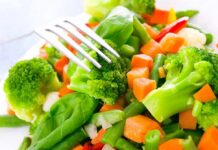
Broccoli and Brussels sprouts come next and work well for men who dislike softer greens. Both provide vitamin K plus vitamin C and fiber, which support tissue repair and gut health.[5][8] Tossing roasted Brussels sprouts with olive oil or steaming broccoli as a side hits vitamin K needs while fitting into low-carb or moderate-carb plans that many health-conscious men prefer in midlife to keep weight and blood sugar under control.
Fermented And Animal Foods That Bring Vitamin K2 To The Table
Fermented foods like natto and sauerkraut supply vitamin K2, a form thought to be especially active in steering calcium into bone.[3] Natto, the sticky fermented soybean dish popular in Japan, is one of the highest K2 foods known, though its strong flavor turns many Western palates away. Sauerkraut and other fermented vegetables offer lower doses but are easier to add as small side dishes alongside grilled meat or eggs.
Do you bruise way too easily or bleed forever from a simple papercut? 🩸
You are likely low on Vitamin K—the essential micronutrient your body uses to clot blood and protect bone density. #Nutrition #HealthTips #VitaminKhttps://t.co/sQs5da3nFi pic.twitter.com/fU15gXzRhL
— Bright Choices (@Bright_Choices2) June 14, 2026
Certain animal foods also add vitamin K2. Egg yolks, liver, cheese, and other full-fat dairy contain meaningful amounts, along with protein and fat that help older men maintain muscle and hormone balance.[3] This aligns with a more traditional, less processed diet many conservatives already favor: real eggs instead of liquid substitutes, real cheese instead of fake spreads, and organ meats now and then instead of endless ultra-processed snacks.
Where Vitamin K Fits In The Bigger Bone-Health Picture
Vitamin K is important, but it is not a stand-alone shield. Strong bones in your 50s and 60s still depend on enough calcium, adequate vitamin D, resistance and weight-bearing exercise, and avoiding smoking and heavy drinking.[7] A smart plan stacks these pieces: lift weights, walk or jog, get calcium and vitamin D to supply raw material, then use vitamin K-rich foods to help lay that material down into solid bone instead of letting the skeleton thin out year by year.
Researchers still debate how much extra benefit vitamin K adds beyond a decent diet, especially when comparing food to high-dose pills. For a practical man over 50, the path is simple and low risk: build meals around leafy greens, cruciferous vegetables, some fermented foods, and modest amounts of quality animal products. That pattern matches bone-health guidelines, respects a food-first approach, and lets vitamin K quietly do its job while you stay strong enough to lift grandkids, not just pill bottles.
Sources:
[1] Web – 7 Vitamin K-Rich Foods Men Over 50 Need for Stronger Bones
[2] Web – Vitamin K Food Sources – Osteoporosis Canada
[3] Web – 13 Foods High in Vitamin K to Add to Your Diet – GoodRx
[5] Web – Frequently Asked Questions – Bone Health & Osteoporosis Foundation
[7] Web – Vitamins and minerals – Vitamin K – NHS
[8] Web – Effects of Vitamin K on Medication and Bone Health – eatrightPRO.org
[9] Web – 21 Foods High in Vitamin K – Cleveland Clinic