A single dose of magic mushrooms may change how the brain works for a full month after the trip ends.
Quick Take
- Scientists gave 28 adults who had never used psychedelics one 25 mg dose of psilocybin, the active compound in magic mushrooms.
- Brain scans showed changes in activity and possible structure lasting from one hour to one month later.
- People whose brain activity became more flexible right after dosing reported more personal insight the next day.
- That insight was linked to better well-being a month later, according to the new research.
- Outside experts caution that small study groups mean the findings need more testing before doctors rely on them.
A Small Study With Big Claims
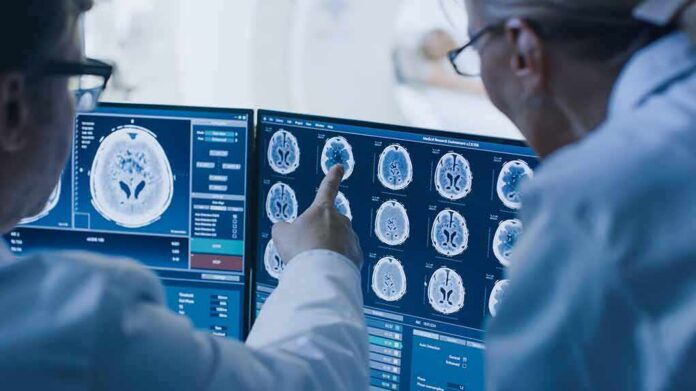
Researchers ran a placebo-controlled trial with 28 healthy adults who had never tried psychedelics before. Each person got either a 25 mg dose of psilocybin or a placebo. The team used brain scans and electrical activity readings to track changes starting one hour after dosing and continuing for a full month afterward.
The study, published in Nature Communications, found something researchers did not fully expect. The brain changes were not just short bursts during the trip. Some signals showed up weeks later, hinting that a single dose might leave a longer mark on the brain than scientists previously confirmed in this kind of controlled setting.
How Insight Connects To Well-Being
Researchers measured something called cortical signal entropy, a way of describing how varied and unpredictable brain activity becomes. People who showed the biggest jump in this entropy one to two hours after dosing were more likely to report personal insight the very next day.
That next-day insight then predicted better psychological well-being a full month later. In simple terms, the more the brain’s usual patterns got “shaken up” right after the dose, the more likely someone was to feel they understood themselves better, and that understanding carried forward into lasting mood improvement.
Fits A Pattern Seen In Past Research
This is not the first study to link psilocybin to lasting brain changes. Earlier research found reduced negative emotional responses one week and even one month after a single high dose, along with shifts in brain regions tied to emotion processing. Other work found dose-related changes in a brain network tied to self-focused thinking and daydreaming, an effect that seems to loosen up rigid thought patterns.
A 2020 study in Scientific Reports also found that brain connectivity increased broadly after psilocybin, with some of those changes still visible a month later. Reduced clinical symptoms from psilocybin treatment have been tracked for as long as a year in other trials, though those studies often involved patients being treated for depression rather than healthy volunteers.
Why Scientists Urge Caution
Some researchers warn against reading too much into these neuroimaging results. The core disagreement in the field is not whether psilocybin changes brain activity, since multiple studies confirm that it does. The real question is how far anyone can stretch those scan results into promises about lasting mental health benefits for the average person.
Small sample sizes are a common limit across this research. The new study included just 28 people, and many similar trials use groups of a similar size or smaller. Reviews of psilocybin’s effects on thinking and memory have found mixed results, with some studies showing neutral or even impaired performance on certain mental tasks during the drug’s peak effects.
What This Means For Everyday Readers
Psilocybin remains illegal under federal law in most of the United States, even as several states and cities have loosened local rules. This research adds to a growing pile of evidence that the drug affects the brain in ways that outlast the trip itself, which matters as lawmakers and regulators debate whether to expand legal access for therapy or research.
For now, the honest takeaway is narrower than the headlines suggest. Scientists have real evidence that one dose can shift brain activity and mood measures for weeks. Whether that turns into a dependable treatment for millions of people is still an open question that will take larger, longer studies to answer.
Sources:
sciencedaily.com, sciencealert.com, sciencemediacentre.es, biorxiv.org, pubmed.ncbi.nlm.nih.gov, nature.com, nih.gov, pmc.ncbi.nlm.nih.gov