The compound that nutrition experts told you to avoid in beans and grains may actually be feeding the good bacteria in your gut — and new research is starting to explain why.
Quick Take
- Phytic acid, long called an “anti-nutrient,” may boost gut health by feeding beneficial bacteria and triggering the production of health-promoting fatty acids.
- A mouse study found phytate increased probiotic bacteria and reduced harmful pathogens in the gut without causing obvious damage.
- Human gut bacteria can break phytate down into short-chain fatty acids, which are linked to reduced inflammation and better metabolic health.
- The same iron-binding property that makes phytic acid an anti-nutrient may also starve harmful gut bacteria of the iron they need to thrive.
The Compound You Were Told to Fear
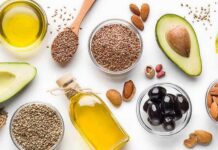
Phytic acid shows up in almost every plant-based food you eat — whole grains, legumes, nuts, and seeds. For decades, nutritionists flagged it as a problem. It binds to minerals like iron and zinc, making them harder for your body to absorb. That earned it the label “anti-nutrient,” and some diet communities still treat it like a toxin. But that label may be telling only half the story.
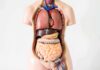
The other half involves your gut microbiome — the trillions of bacteria living in your digestive tract. Researchers are now asking a different question: what happens to phytic acid after it reaches your colon? The answer is changing how scientists think about this compound entirely.
Your Gut Bacteria Break It Down Into Something Useful
Gut bacteria can convert dietary phytate into short-chain fatty acids. [3] These fatty acids are not a minor detail. Short-chain fatty acids feed the cells lining your colon, reduce inflammation, and may protect against metabolic conditions like type 2 diabetes. [4] Most of the health benefits tied to dietary phytate appear to come directly from this bacterial activity, not from the phytate molecule itself. [4] One key player is a bacterium called Mitsuokella jalaludinii, which breaks down phytate efficiently in the human gut. [9]
Mouse Study Points to Probiotic Growth and Fewer Pathogens
A 2023 mouse study looked at what sodium phytate does to gut bacteria composition. [1] Researchers found phytate promoted the growth of certain probiotic bacteria and held back some harmful pathogens. [1] The mice showed no obvious signs of gut damage. That is a meaningful detail — it suggests the compound reshapes the gut environment in a favorable direction without causing harm at the doses tested. Animal studies are not the final word, but they often point researchers toward the right human trials to run next.
Eating more phytate may also train your gut to process it better. Research shows that a diet rich in phytate increases the gut microbiome’s ability to degrade it over time, with both aerobic and anaerobic bacteria working together to do the job. [7] In other words, the more whole grains and legumes you eat, the more equipped your gut becomes to extract value from them. That is a compelling feedback loop worth understanding.
The Iron-Binding Trick That Might Actually Protect You
Here is where the story gets genuinely interesting. Phytic acid’s most criticized property — its tendency to bind iron — may actually work in your favor inside the colon. Harmful bacteria like Enterobacteriaceae need iron to grow. [8] When phytate locks up iron in the colon, it may limit the fuel those bacteria need to multiply. [8] Researchers behind the Effect of Phytin on Human Gut Microbiome study are actively testing whether phytin supplementation can reduce harmful bacteria and increase beneficial groups as a result. [2] The anti-nutrient’s biggest flaw might double as a weapon against gut pathogens.
This does not mean phytic acid is without real trade-offs. It still reduces mineral absorption in the small intestine, and that matters for people with iron-deficiency anemia or zinc deficiencies. [5] Dose, diet quality, and your personal microbiome all shape the outcome. The same molecule can help or hinder depending on where in your gut it acts and what bacteria are present. [6] That complexity is exactly why the science has taken this long to catch up with what whole-food eaters have practiced for centuries.
What This Means for How You Eat
The takeaway is not that you should load up on raw phytate supplements. It is that the foods richest in phytic acid — beans, lentils, oats, nuts, seeds — also happen to be among the most consistently linked to good health outcomes in long-term dietary research. [6] The microbiome connection may explain a big part of why. Soaking, sprouting, and fermenting these foods reduces phytate content and improves mineral absorption, which is a reasonable middle ground if mineral deficiency is a concern. But eliminating these foods entirely out of fear of anti-nutrients looks, in light of this research, like a costly overcorrection.
Sources:
[1] Web – A New Study Uncovered A Potential Gut Health Benefit Of This …
[2] Web – Insights into effects of sodium phytate on gut microbiome of mice by …
[3] Web – Effect of Phytin on Human Gut Microbiome – The EPoM Study
[4] Web – Phytate metabolism is mediated by microbial cross-feeding in the …
[5] Web – Gut bacteria mediate metabolism of dietary phytate in the human gut
[6] Web – Effects of Phytic Acid-Degrading Bacteria on Mineral Element …
[7] Web – Gut microbiome and health: mechanistic insights
[8] Web – Diet shapes the ability of human intestinal microbiota to degrade …
[9] Web – Effect of Phytin on Human Gut Microbiome (version 1)