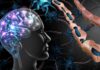
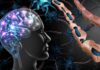
Sweat, not just willpower, may be rewiring the addicted brain back toward health. Scientists studying substance use disorder are finding that regular exercise can change the same brain circuits that drugs and alcohol hijack, offering a drug-free tool that works alongside therapy and medication.
Story Overview
- Multiple research reviews link exercise to fewer cravings, more days of abstinence, and eased withdrawal symptoms in people recovering from addiction.
- Animal studies show aerobic exercise changes the brain’s dopamine pathway, the same system drugs target.
- Not every outcome improves equally. Some reviews find exercise helps mood and quality of life more than it reduces actual drug use.
- Researchers describe exercise as an add-on treatment, not a replacement for counseling or medical care.
What The Research Actually Shows
A 2022 systematic review by Megan Patterson and colleagues looked at existing studies on exercise and addiction recovery. Nearly three-quarters of the studies they examined found a real link between exercise and better outcomes, including more days of sobriety and lower cravings, especially for people already in treatment programs.
Other researchers have found similar patterns using stricter methods. One meta-analysis found exercise increased the odds of staying abstinent and eased withdrawal symptoms measurably, based on pooled data from many controlled trials. A separate synthesis of 39 studies backed this up, showing exercise programs helped across several different measures of recovery, from cravings to overall well-being.
The brain science behind this isn’t guesswork. Researchers at the University at Buffalo studied animals and found that daily aerobic exercise physically altered the brain’s mesolimbic dopamine pathway, the exact circuit that drugs manipulate to create cravings and reward-seeking behavior. That finding gives doctors a biological reason exercise might help, not just a correlation.
How Movement Rewires The Addicted Brain
A newer area of study focuses on something called metaplasticity, the brain’s ability to reset how it learns and forms habits. Researchers argue that exercise helps redirect the brain’s learning systems away from drug-related triggers and toward healthier responses, essentially retraining automatic reactions built up over years of substance use. This isn’t about discipline. It’s about literally reshaping neural wiring through repeated physical activity.
That mechanism explains why exercise shows up again and again in recovery research as more than a mood booster. It appears to interact with the same reward and stress systems that addiction damages, giving the brain a legitimate, non-drug way to produce dopamine and manage stress hormones. For people in recovery, that matters because cravings often spike during stress, and having another outlet can blunt that response.
Where The Evidence Gets More Cautious
Not every study paints the same rosy picture, and honest reporting means acknowledging that. One systematic review and meta-analysis found no firm evidence that exercise helps people maintain long-term abstinence, even though it improved their quality of life and mental health scores. Another review of supervised exercise programs found similar results: better quality of life, but no measurable drop in positive drug tests compared to standard care.
Older reviews of the broader field note the evidence is strongest for smoking cessation, where exercise has a well-documented adjunct effect. For alcohol and drug addiction more broadly, researchers describe the evidence as promising but still preliminary, calling for larger, more rigorous trials before drawing firm conclusions. That’s a normal stage for a young area of medical research, not a reason to dismiss it.
Exercise won’t cure addiction on its own, and no serious researcher claims it does. But it appears to work with the brain’s own chemistry, not against it, giving people in recovery a legitimate, low-cost tool that complements counseling, medication, and support programs. For families watching a loved one fight addiction, that’s a piece of hope grounded in real biology, not wishful thinking.
Sources:
pmc.ncbi.nlm.nih.gov, buffalo.edu, medicalxpress.com, mdpi.com, lirias.kuleuven.be