A cancer vaccine built from a patient’s own tumor is now showing years of real data, and it works by turning the body’s immune system into a custom-built hunter for that one patient’s cancer.
Quick Take
- Moderna and Merck’s mRNA-4157/V940 vaccine is built from each patient’s own tumor DNA, not a one-size-fits-all formula.
- The shot teaches the immune system to spot up to 34 unique markers found only on that patient’s cancer cells.
- Paired with Merck’s drug Keytruda, it cut the risk of melanoma coming back after surgery in a mid-stage trial.
- Five-year follow-up data still shows the combination beating Keytruda alone at keeping cancer from returning.
How Doctors Build A Vaccine From One Patient’s Tumor
The process starts in the operating room. After surgeons remove a patient’s melanoma tumor, scientists sequence its DNA to find mutations unique to that cancer. Software then predicts which of those mutations are most likely to trigger a strong immune response. Merck describes personalized cancer vaccines as tools designed to “prime the immune system” so each patient builds an attack specific to their own tumor’s mutation pattern.
Loading The Shot With Up To 34 Cancer Signals
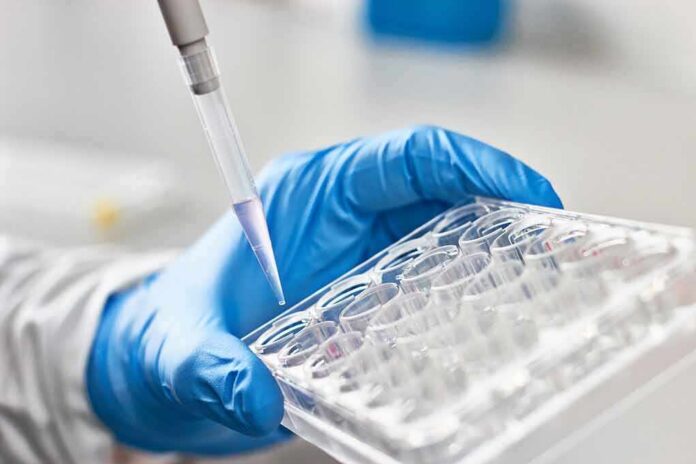
From that list, researchers select as many as 34 tumor mutations, called neoantigens, and encode them into a single strand of messenger RNA. That mRNA gets wrapped in a fatty coating called a lipid nanoparticle, the same delivery method used in COVID-19 vaccines. Once injected, nearby cells read the genetic instructions and build copies of those cancer markers, showing them to the immune system like a wanted poster.
The immune system’s T-cells learn to recognize these markers as threats. Because the markers came straight from the patient’s own tumor, the T-cells are trained to hunt down any matching cancer cells left behind after surgery, wherever they may be hiding in the body. Merck says the goal is generating “specific T cell responses based on the unique mutational signature” of that patient’s tumor.
Pairing The Vaccine With An Existing Cancer Drug
Moderna and Merck do not give the vaccine alone. They combine it with Keytruda, Merck’s already-approved drug that blocks a signal cancer cells use to hide from the immune system. Removing that block while also training T-cells to recognize the tumor’s specific markers is meant to give the immune system both a target and a clear shot at attacking it.
What The Clinical Trial Actually Found
The combination was tested in a trial called KEYNOTE-942, which enrolled 157 patients with high-risk stage III or IV melanoma who had already had surgery. Patients got either the vaccine plus Keytruda or Keytruda by itself. The vaccine combination lowered the risk of the cancer returning or the patient dying compared to Keytruda alone, meeting the trial’s main goal.
Follow-up results have held up over time. Moderna and Merck have released three-year and five-year data showing the combination kept delivering a sustained improvement in recurrence-free survival compared to Keytruda alone. Regulators took notice early: the Food and Drug Administration and the European Medicines Agency granted the therapy Breakthrough Therapy status and the PRIME designation years before this newer data arrived.
Why Melanoma Was The First Target
Melanoma is not a random starting point. It carries an unusually high number of DNA mutations compared to many other cancers, which gives scientists more raw material to find strong neoantigens for a vaccine. That high mutation count is a big reason researchers picked melanoma first, and why some outside cancer specialists see it as the most realistic near-term proving ground for this whole approach.
The technology is not brand new. Personalized neoantigen vaccines have been tested in small groups of melanoma patients for close to a decade, consistently showing they are safe and capable of triggering strong T-cell responses. What is new with Moderna and Merck’s version is the scale of the trial and the length of the follow-up data, moving the idea from small pilot studies toward a larger, company-backed clinical program now heading into a Phase 3 study.
The vaccine remains investigational and has not been approved as safe or effective by the Food and Drug Administration, a status Moderna itself has stated publicly. Doctors and companies are now watching whether the same approach can extend beyond melanoma into other high-mutation cancers, a question that will take more trials and more years to answer.
Sources:
youtube.com, merck.com, chemverify.com, en.wikipedia.org, pubmed.ncbi.nlm.nih.gov, tandfonline.com