Cognitive Behavioral Therapy for Insomnia slashes sleep problems in perimenopausal women twice as effectively as drugs or yoga, delivering lasting relief without pills.
Story Highlights
- Cognitive Behavioral Therapy for Insomnia (CBT-I) outperforms medications, exercise, and hormone therapies in randomized trials.[2][1]
- Women in CBT-I groups saw Insomnia Severity Index scores drop 5.2 points more than controls, often achieving full remission.[2]
- Effects persist up to six months, targeting thoughts and habits that trap women in sleepless cycles.[1]
- Access remains a hurdle, yet evidence demands prioritizing CBT-I as first-line treatment.[2]
- Pills like venlafaxine offer modest gains but carry dependency risks unfit for long-term use.[3]
CBT-I Dominates Clinical Trials for Menopausal Insomnia
Guthrie et al. analyzed four randomized controlled trials involving perimenopausal and postmenopausal women with vasomotor symptoms. Cognitive Behavioral Therapy for Insomnia (CBT-I) produced the largest reductions in insomnia symptoms. Participants receiving CBT-I cut Insomnia Severity Index scores by 5.2 points more than controls. Pittsburgh Sleep Quality Index scores improved by 2.7 points over controls. Remission odds exceeded eight times those of other groups.[2]
CBT-I sessions, often six over eight weeks via phone or online, retrain sleep habits. Women matched bed time to actual sleep time, curbing worry that fuels wakefulness. Hot flashes triggered disruptions, but CBT-I broke the cycle by ignoring unhelpful thoughts like “I’ll never sleep again.”[1][2]
Why CBT-I Outperforms Pills and Lifestyle Fixes
Venlafaxine and low-dose estradiol eased sleep complaints modestly in a trial of 339 women with frequent hot flashes. These beat placebo but trailed CBT-I’s impact. Exercise and yoga yielded small gains, insufficient against chronic insomnia.[1][3]
Suvorexant, a sleep aid, worked over four weeks for hot flash-linked insomnia but lacks long-term data. Benzodiazepines risk dependency and falls in midlife women, clashing with caution on overmedication.[1][3]
Major guidelines endorse it as initial therapy, sidestepping hormone risks for those with cancer history or clots.[2]
Core Components Driving CBT-I Success
Sleep consolidation matches bed time to sleep duration, boosting efficiency. Patients track sleep diaries, then adjust schedules. Stimulus control keeps bed for sleep only, ending frustrated tossing.[4]
Cognitive restructuring challenges fears: “One bad night ruins tomorrow” becomes “Sleep varies; habits improve odds.” Relaxation curbs pre-bed arousal. Studies confirm these persist months post-treatment.[1]
Moradian Farsani et al. randomized 46 postmenopausal women. The CBT-I group cut Insomnia Severity Index and Pittsburgh Sleep Quality Index scores steadily over six weeks, stabilizing through week 10. Sleep efficiency rose significantly.[1]
Barriers and Real-World Access Challenges
Trained providers remain scarce, especially rural areas, despite first-line status. Telephone or app-based CBT-I expands reach, matching face-to-face results in trials.[1][2]
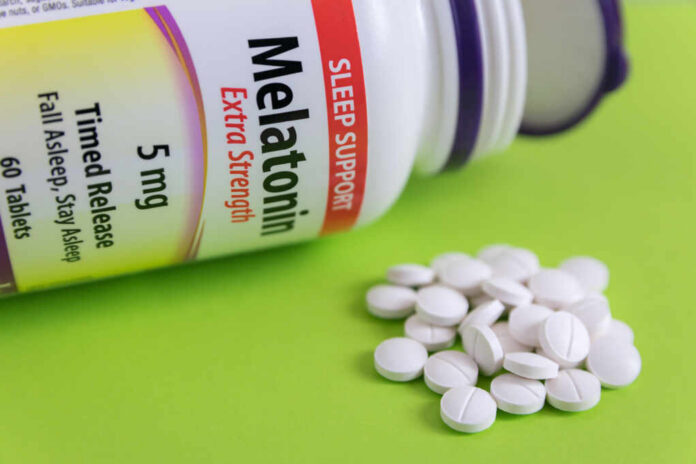
Melatonin aids mildly without addiction, but lacks CBT-I’s punch. Undiagnosed sleep apnea mimics insomnia; screening via polysomnography prevents missteps.[1]
Wisdom favors sustainable skills over quick fixes. Women build a lifelong toolkit, reclaiming nights without Big Pharma dependence.[3]
Sources:
[1] Web – Sleep Disturbance and Perimenopause: A Narrative Review – PMC
[2] Web – Menopause Insomnia Treatments: What Science Says Works Best
[3] Web – Managing Sleep Problems in Menopausal Women: What Are the …
[4] Web – 9 Ways to Help Perimenopause Insomnia – BRIA