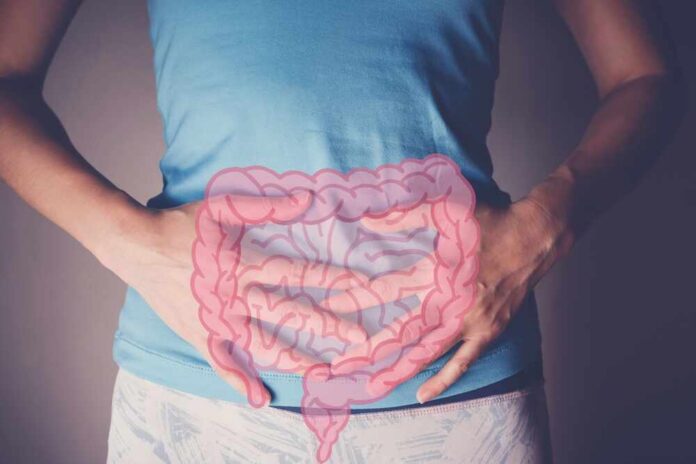
The foods sitting in your kitchen right now could be the secret weapon against that uncomfortable bloating and puffiness you’ve been fighting, without reaching for a single pill or expensive supplement.
Story Snapshot
- Potassium-rich foods like bananas, avocados, and sweet potatoes actively balance sodium levels to help kidneys flush excess fluid from your body
- Natural diuretics including watermelon, cucumbers, celery, and asparagus promote urine production through their high water content, with some containing 90% or more water
- Adequate protein intake from eggs, Greek yogurt, and chicken prevents fluid from leaking into tissues by supporting proper circulation
- Magnesium supplementation at 250mg daily has been shown to reduce bloating, particularly for PMS-related water retention
- These dietary strategies offer affordable, accessible alternatives to pharmaceutical interventions for mild edema cases
The Potassium Advantage Against Sodium Overload
Your kidneys operate like precision filtration systems, but they need the right fuel to function optimally. Potassium serves as sodium’s natural counterbalance, signaling your kidneys to release excess salt and the water clinging to it. When you consume foods like bananas, avocados, sweet potatoes, and spinach, you’re essentially giving your body the tools to self-regulate fluid levels. This mineral dynamic has been recognized since the 20th century, when researchers first mapped out electrolyte imbalances and their role in fluid regulation. The beauty of this approach lies in its simplicity: add a banana to your morning routine or slice avocado onto your toast, and you’re already addressing the root cause of mild puffiness.
Water That Pushes Water Out
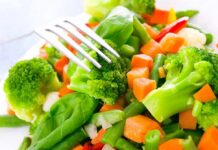
The concept seems counterintuitive at first: eat more water to lose water weight. Yet foods with exceptionally high water content, particularly cucumbers, watermelon, celery, and asparagus, function as natural diuretics by promoting increased urine production. These vegetables and fruits contain 90% or more water, effectively flushing sodium from your system while providing essential nutrients. Asparagus and celery have been recommended across multiple medical institutions, from Cleveland Clinic to Orlando Health, as reliable natural diuretics. The mechanism operates straightforwardly: when you consume these water-rich foods, your body processes the excess fluid, taking accumulated sodium along for the ride. This explains why a simple cucumber salad or watermelon snack can provide noticeable relief after a high-sodium meal or long flight.
The Protein Solution You’re Overlooking
While potassium and natural diuretics grab most attention in water retention discussions, protein plays an underappreciated role in preventing fluid accumulation. Adequate protein intake from sources like eggs, Greek yogurt, and lean chicken supports proper circulation and prevents fluid from seeping into tissues where it causes visible puffiness. This connection between protein and fluid balance emerged from research studies examining why low-protein diets often resulted in edema. The practical application is straightforward: incorporating protein-rich foods throughout your day creates a foundation that supports all other anti-retention strategies. Pair that morning banana with almond butter, or add Greek yogurt to your afternoon routine, and you’ve combined potassium, protein, and practicality in one meal.
Magnesium and B6: The Hormone-Balancing Duo
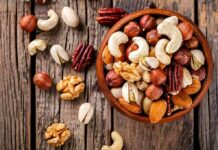
Research from the 2010s revealed something women dealing with premenstrual bloating had long suspected: specific nutrients could dramatically reduce fluid retention tied to hormonal fluctuations. Studies demonstrated that 250mg of daily magnesium supplementation reduced PMS-related bloating, while vitamin B6 worked alongside calcium to regulate fluid balance. These findings evolved into broader edema advice, though the evidence remains strongest for hormone-related retention. Magnesium supports muscle and fluid regulation beyond just menstrual cycles, making it relevant for anyone dealing with persistent puffiness. Foods rich in these nutrients, dark leafy greens, nuts, seeds, and whole grains, offer a food-first approach before considering supplements.
When Traditional Remedies Meet Modern Validation
Dandelion and parsley didn’t earn their places in folk medicine by accident. Modern small-scale studies have validated what traditional healers knew intuitively: dandelion leaf extract increases urine output, while parsley functions as a mild diuretic. Cleveland Clinic now lists these alongside more conventional options like lemons and pineapple in their roster of natural diuretics. Pineapple brings bromelain to the table, an enzyme that addresses inflammation contributing to fluid retention. The caution here matters: while herbs like dandelion show promise, some recommendations remain largely anecdotal beyond limited trials. This represents sensible medicine, using gentle, food-based interventions for mild cases while reserving stronger measures for chronic conditions potentially signaling heart or kidney issues.
The Practical Path Forward
The registered dietitians and medical institutions behind this advice share a common motivation: empowering people to address minor health annoyances without immediately turning to pharmaceuticals. These strategies cost pennies compared to over-the-counter diuretics, require no prescriptions, and carry minimal risks when applied sensibly. The consistency across sources from Healthline’s medically reviewed content to Cleveland Clinic’s expert recommendations suggests solid scientific grounding. For everyday puffiness after travel, heat exposure, or a salty meal, reaching for a cucumber, banana, or glass of water with lemon makes practical sense. The approach fails only when people ignore persistent or severe swelling, which demands professional medical evaluation.
Sources:
Natural Remedies to Reduce Fluid Retention – Health Loft
Diuretic Foods for Fluid Retention and Swelling – Cabanas Nutrition
These Foods Help Reduce Water Retention and Everyday Puffiness – Mindbodygreen
8 Ways to Get Rid of Water Retention – Orlando Health
Natural Diuretics – Cleveland Clinic
6 Ways to Reduce Water Retention – Healthline
Edema Treatment Diet – Tactile Medical