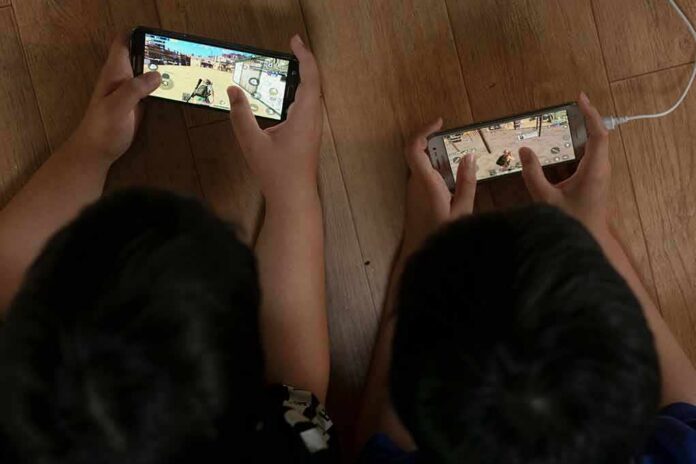
Nearly one in five U.S. high schoolers spends five or more hours a day on phones, tablets, computers, or video games.
Story Snapshot
- A large U.S. survey found almost 20% of teens hit five hours of daily screen use.
- Device time far outpaced television at the extreme end of use.
- The study tracked sleep, sugary drinks, and activity alongside screens.
- Other research shows similar magnitudes but different definitions.
What the Big Number Really Says
A nationally representative U.S. survey of students in grades 9 through 12 found that nearly 20% used smartphones, tablets, computers, or video games for at least five hours a day. The reported figure comes from the Youth Risk Behavior Surveillance System data pooled from 2013 and 2015. The same analysis separated device use from television viewing. Only a smaller share crossed five hours of television alone, which shows how phones and games now dominate the top end of use.
Independent coverage repeated the number and pointed to the Journal of Pediatrics as the publication venue. Reporters highlighted that the study looked beyond screens to other habits tied to health. The survey asked about school-night sleep, sugar-sweetened drinks, and physical activity, which helps frame screen time inside a broader daily routine. That choice matters because time has to come from somewhere: sleep, sports, chores, friends, or homework all compete for the same hours.
Why Thresholds Beat Averages in This Debate
The five-hour figure describes a threshold group, not every teen. Nearly one in five crossed that mark; four in five did not. That distinction seems small but avoids a common trap where a headline can sound like an average. Thresholds help parents and schools think in risk bands, which aligns with common sense: heavy users face different tradeoffs than light users. Policymakers should target the extreme tail first, where time crowds out sleep, movement, and face-to-face time.
Other research lands in the same ballpark, even if it uses different lenses. An Australian study observed screen time rising from just over three hours at ages 10 to 11 to almost five hours by ages 14 to 15. That arc mirrors what many parents see as teens gain independence and devices move from pockets to pillows. These patterns support the idea that high device use in mid-teens is common enough to plan around, even across countries with different school systems.
Device Time Is Not One Thing
Smartphones, tablets, computers, and consoles bundle many activities. Some are social, some are passive, some are creative, and some are schoolwork. Lumping them together helps spot the heavy-use group but hides what time crowds out and why. A better map would split gaming, short video, texting, streaming, school tasks, and creation. Families can start simply: log one week by category, then cut swaps that hurt sleep and movement first. Protecting sleep often unlocks the rest.
Claims about harms deserve careful framing. Reporting tied higher smartphone use to higher obesity rates in teens but also noted that the data do not prove cause and effect. That caution is wise and reflects scientific standards. Still, the overlap between heavy screen time, less sleep, more sugary drinks, and less activity fits with everyday experience. The common-sense play is to restore balance before debating perfect proof. Start with consistent bedtimes and daily physical activity.
How Parents and Schools Can Use This
Parents can set two anchor rules that respect freedom and protect health. First, no phones in bedrooms overnight. This one change boosts sleep and daylight focus. Second, earn screen time with movement: one hour active, then fun screen time. Schools can help by matching assignments to clear time budgets, so homework does not sprawl onto phones at midnight. Coaches and youth groups can schedule earlier practices that leave room for dinner, homework, and a calm wind-down.
Leaders should target the heavy-use fifth with opt-in supports, not one-size bans. Community centers can offer late-afternoon sports, music, and trades clubs that compete with mindless scrolls. Libraries can host creation labs where teens edit video, code games, and record podcasts. Those hours still use screens but flip the script from consumption to production. The goal is not zero screens; it is better screens, at better times, for better reasons.
The Measurement Gap You Should Expect
Different studies will keep reporting different numbers because they measure different things. Some count television and devices together; others separate them. Some include schoolwork; others do not. Some report averages; others report what share crosses a line. A practical takeaway still holds across these methods: a large minority of teens spend five hours or more on devices most days, and that time often squeezes sleep and movement. Act on that shared signal first.
Sources:
healthychildren.org, education-socioeconomic-experts.ec.europa.eu, education.nsw.gov.au, reuters.com