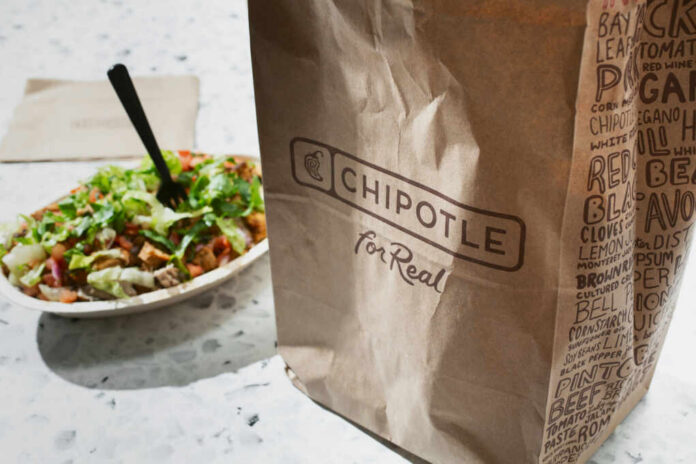
The simple act of putting a salad on a fast-food menu can nudge people toward the bacon cheeseburger instead.
Story Snapshot
- Adding a “halo” salad or veggie burger can push some diners to pick the worst item on the menu.
- A psychological glitch called “vicarious goal fulfillment” makes us feel healthy just by seeing the healthy choice.
- Other research shows clear health labels and smart defaults can still steer people to better meals.
- The real win comes when we fix both the menu tricks and our own personal responsibility.
When a Salad on the Menu Becomes a Free Pass for Fries
Picture the drive-thru board at night after a long day. You are hungry, tired, and telling yourself you will “be good.” The burger, fries, and shake stare back at you. Then you spot it: a side salad or a veggie burger. Most people think that extra healthy option will save the day. Yet lab research shows that when a healthy option appears, more people actually swing hard toward the least healthy choice.[2]
One Duke University study tested menus that were all junk against the same menus with one salad added.[2] When people saw only unhealthy sides, many with strong self-control skipped the fries. Add a salad, and those same “disciplined” people were suddenly more likely to grab the fries, not the salad.[2] The researchers call this “vicarious goal fulfillment” — your brain says, “I thought about the salad, so I deserve the fries.” That is not food freedom; that is a trick our own minds play on us.
The Hidden Psychology Behind “I Deserve This”
The deeper pattern is self-licensing. You do something that feels a little bit virtuous — glance at the salad, consider the grilled chicken — and your brain punches a ticket that says, “You earned the bacon double.”[1] One set of experiments even found that swapping a basic fish sandwich for a veggie burger made people twice as likely to choose a bacon cheeseburger over the healthier options.[1] They never touched the veggie burger. It only served as a halo that made indulgence feel justified.
Many fast-food chains know this. They can add a token “fit” item, earn good press, and still sell mountains of fries and soda. A national menu analysis found that even as chains added more items and more “healthier” options, the average calories in the core items barely budged over years.[5] In other words, the board looks better, but the typical meal is still a calorie bomb. That gap should bother anyone who cares about honest markets and personal responsibility.
When Healthy Options Actually Help People Eat Better
The story does not end with “healthy menus always backfire.” Other research shows the opposite: when restaurants provide clear, explicit health information, people do make better choices in some cases.[3] One fast-food study found that young adults were more likely to pick a healthy item when the menu called out its health benefits in plain, direct terms, rather than hiding the info in subtle design tweaks.[3] Clarity beat cleverness.
Newer work on “optimal defaults” goes a step further. Instead of just adding a salad, the default combo might come with a smaller main and a healthier side, and you must opt out to upsize or add fries.[8] In controlled experiments, these smarter defaults cut calories ordered without banning anything.[8] That fits conservative values well: no heavy-handed bans, just better architecture that still respects choice.
Why This Matters More Than a Guilty Lunch
Fast food is not just a guilty pleasure; it is a real health risk when it becomes routine. Reviews link fast-food patterns to more belly fat, worse blood sugar, higher blood pressure, and higher risk of diabetes and heart disease over time.[7][17] Meals built on refined starch, sugar, and industrial fats, with almost no fiber or micronutrients, are a perfect storm for chronic disease.[7][17] That shows up in our health-care costs and our shrinking healthy lifespan.
At the same time, fast food is not going away. Busy families, shift workers, and people in low-income areas often rely on it. That means we cannot shrug and say, “Just cook more,” then ignore how menus and marketing shape choices. Research on food environments shows that the more fast-food outlets you bump into during your day, the more likely you are to stop at one.[20] Flood a neighborhood with junk and you should expect more junk eaten.
Where Policy, Markets, and Personal Responsibility Meet
So what should a sane, freedom-loving society do with this messy evidence? First, stop pretending that tossing one salad or a veggie burger on the board fixes anything. When healthy items serve mainly as a moral smokescreen that lets people feel better about ordering worse food, they are part of the problem.[2] That is health-washing, not health care. Regulators and watchdogs should judge chains by what people actually buy, not by how pretty the menu looks.
Second, lean into changes that keep choice but nudge better outcomes. Clear calorie and health labels on both healthy and unhealthy items, not just the “light” offerings, help people compare honestly.[3][6] Smarter defaults — smaller drinks, automatic fruit or salad instead of fries, full nutrition info up front — push the average meal in a healthier direction while still letting the determined customer order the triple burger and extra-large soda.[8]
Third, remember that no menu tweak replaces self-control. The same studies that reveal “vicarious goal fulfillment” also show that some people ignore the halo and pick the salad anyway.[2] In the long run, the answer is both better environments and better habits. Plan your week, know your go-to healthy orders, and treat fast food as an emergency stop, not a lifestyle.[6][7] The menu may whisper, “You deserve it,” but your future self and your family are the ones who pay the bill.
Sources:
[1] Web – Why Healthy Fast-Food Menu Options Can Backfire
[2] Web – Vicarious Goal Fulfillment: When the Mere Presence of a Healthy …
[3] Web – Taste and Health Information on Fast Food Menus to Encourage …
[5] Web – Vicarious Goal Fulfillment: When The Mere Presence Of A Healthy …
[6] Web – See Salad, Eat Fries: When Healthy Menus Backfire – Duke Fuqua
[7] Web – Healthy fast food options beyond salads – Facebook
[8] Web – Healthy Fast Food Options: What’s Actually Worth It
[17] Web – [PDF] Availability of Healthier Food Options in Fast Food Restaurants …
[20] Web – Fast Food in the Media: The Rise of the Health-Conscious Consumer