A single number—about 1.6 grams of protein per kilogram—keeps showing up when people actually gain muscle.
Story Snapshot
- About 1.6 g/kg/day is a practical daily protein target for building muscle with lifting.
- Benefits taper above that level, with an upper confidence bound near 2.2 g/kg/day.
- During a calorie deficit, higher protein helps protect lean mass, often much higher than the baseline.
- Total daily intake matters more than a rigid “30 grams per meal” rule.
What Galpin Actually Says About Protein And Muscle
Dr. Andy Galpin tells lifters to start around 1.6 grams of protein per kilogram of body weight per day when they are at calorie balance or in a small surplus. That number does not come from thin air. A large meta-analysis of 49 trials and 1,863 people linked extra protein to more fat-free mass, with gains flattening beyond about 1.6 g/kg/day and an upper confidence band near 2.2 g/kg/day. Galpin frames 1.6 as a threshold, not a magic cap, which matches that analysis.
He also ties protein advice to training, not to shakes alone. Lifting drives the signal. Protein supports it. The analysis he echoes measured outcomes from resistance training with protein, not sedentary life with supplements. That point matters for common sense. Food cannot replace work. Heavy sets and steady progress form the base. Protein helps you recover and grow from that base. Treat it as a tool that works best with a plan, not a fix-all.
The Ceiling That Isn’t A Ceiling
People love to ask for a protein “ceiling.” The science points to diminishing returns, not an on-off switch. Results cluster around about 1.6 g/kg/day, and the edge of the data range climbs toward about 2.2 g/kg/day. That picture is not a license to drown everything in shakes. It is a sign to hit your base target first, then weigh trade-offs. If your recovery stalls, nudging up within that band may help. If your appetite tanks, hold steady.
The famous “your body can only use 30 grams per meal” claim does not hold up well. A research review suggests aiming for about 0.4 g/kg per meal across four meals to reach 1.6 g/kg/day, which often beats a flat 30-gram cap for larger people. The body does not throw away extra amino acids. It shifts them into other needs. The practical point is simple: spread protein across the day, hit your total, and do not fear a bigger serving when needed.
Dieting Changes The Math For Holding Muscle
Cutting calories stresses your lean mass. Studies and position papers show that higher protein intakes during energy restriction help keep muscle, especially when you keep lifting. Some research in athletes during short, hard cuts shows maintained or even improved lean mass when protein rises well above general baselines and training continues. That is not a blank check. It is a tool to defend muscle when the budget is tight and the bar still calls.
How high should you go when dieting? Galpin suggests much higher than 1.6 g/kg/day in a deficit. The broad literature supports the direction of that advice, though exact numbers vary by body fat, training status, and the size of the deficit. A conservative plan is to raise protein meaningfully during a cut, lift three to five days per week, and watch what happens to strength and measurements. Adjust up or down based on actual results, not slogans.
Turn Evidence Into A Plate And A Plan
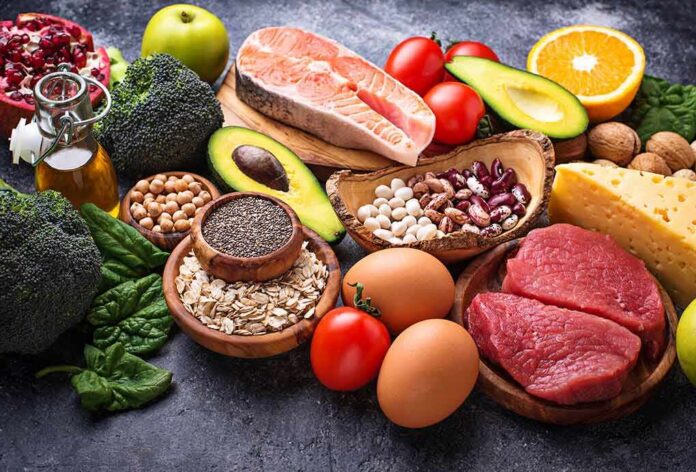
Start with your weight in kilograms and multiply by 1.6 for a daily target when eating at maintenance or a small surplus. Split that into three to five meals. Use whole foods first: eggs, dairy, meat, fish, soy, and mixed plant sources. Add a shake to fill gaps, not to replace meals. During a cut, increase protein, hold fiber high, and keep lifting. Track simple markers: weekly body weight, waist, and a few key lifts. Let the data drive your next step.
Where Common Sense Meets The Science
The pattern is steady: lifting plus enough daily protein builds more lean tissue than lifting alone, and the edge of benefit flattens past about 1.6 g/kg/day for most lifters in energy balance. Chasing ever-higher intakes delivers smaller payoffs. Raising protein during a calorie deficit helps protect the muscle you worked to earn. Skip the myths about 30-gram meal caps. Hit your daily total, spread it out, keep training, and lift the weight before you lift the fork.