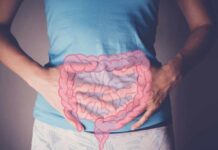
Vitamin D emerges as a simple, low-cost weapon against chronic gut inflammation, offering IBD sufferers relief from Big Pharma’s grip.
Story Highlights
- New Mayo Clinic study shows vitamin D supplementation rebalances immune cells and gut bacteria in IBD patients, reducing inflammation.
- Up to 70% of ulcerative colitis and Crohn’s patients suffer vitamin D deficiency, worsening flares and symptoms.
- 48-patient trial demonstrated shifts toward beneficial microbes and immune tolerance after 8-12 weeks of supplementation.
- Experts call for larger trials, positioning vitamin D as affordable adjunct therapy amid rising health care costs.
Study Reveals Vitamin D’s Power in IBD Fight
Researchers at Mayo Clinic Florida enrolled 48 patients with inflammatory bowel disease and vitamin D deficiency. The group included 56.3% with ulcerative colitis and 43.7% with Crohn’s disease. Participants received vitamin D supplementation for 8-12 weeks. Multi-omics analysis of blood and stool samples tracked immune, microbiome, and metabolite changes. Pro-inflammatory Th17 cells decreased while regulatory T cells increased, fostering immune tolerance.
Immune and Microbiome Shifts Restore Gut Balance
Lead author John Mark Gubatan, M.D., explained vitamin D helps the immune system correctly identify gut bacteria, restoring tolerance without suppression. Beneficial bacteria like Bacteroides, Megamonas, Lachnospiraceae, and Blautia rose. Harmful Proteobacteria declined. Short-chain fatty acid metabolism improved, supporting gut barrier function. IgA levels increased and IgG decreased, signaling a shift to protective responses. Disease activity scores and inflammation markers dropped significantly.
Steven Cohn, M.D., PhD from UT Medical Branch, noted the therapy promotes a tolerogenic IgA-mediated response. This addresses IBD’s core issue: dysregulated immunity attacking the microbiota. Vitamin D’s immunomodulatory effects maintain epithelial barriers and surveil microbes. Serum 25-OH-D levels directly correlate with anti-inflammatory bacteria. Patients saw symptom relief, highlighting practical benefits for daily life.
Background Ties Deficiency to IBD Woes
Vitamin D deficiency affects up to 70% of IBD patients due to malabsorption, flares, poor diet, and limited sun exposure. This exacerbates chronic inflammation in the colon. Historical research links low levels to disease progression and impaired tolerance. The Crohn’s & Colitis Foundation recommends supplementation for inflammation control. Earlier mechanistic studies confirm vitamin D reduces gut inflammation and bolsters barrier integrity.
This study aligns with cutting reliance on expensive drugs amid inflation from past fiscal mismanagement. No government overreach needed—just nature’s vitamin to fight family health battles.
Impacts Point to Broader Health Wins
Short-term, vitamin D offers deficient IBD patients a complementary tool to lower symptoms and flares. Long-term validation could reshape management toward microbiome-immune modulation. Millions with IBD stand to benefit, especially subgroups with confirmed deficiency. Economically, low-cost supplements reduce medication dependence, easing burdens on families strained by high costs. Socially, fewer flares mean better quality of life for traditional households.
Gubatan cautioned the trial was small and non-randomized, urging larger randomized controlled trials for confirmation. Consensus views it as promising adjunct therapy, not replacement. Mayo Clinic’s rigorous multi-omics sets it apart from prior work. Limited data on long-term effects persists, with minor source discrepancies on trial duration and bacteria named.
Sources:
This Vitamin May Reshape The Gut’s Response In Those With IBD
Vitamin D Gut Health IBD Immune Study
Vitamin D Linked to Immune Response to Gut Microbiome in Inflammatory Bowel Disease
12 Weeks Vitamin D Supplements Reset Immune System IBD Gut Bacteria
PMC Article on Vitamin D and IBD
Crohn’s & Colitis Foundation Supplementation Guidelines
Vitamin D Crucial for Gut Health Deficiency Linked to Inflammation in IBD Patients