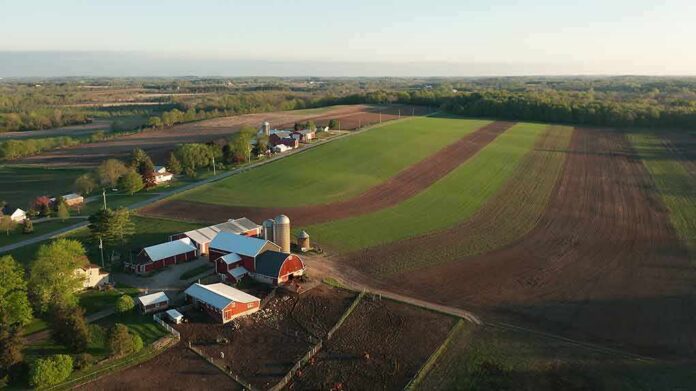
Iowa is now one of only two states in the country where cancer rates are climbing even as they fall almost everywhere else in America.
Story Snapshot
- Iowa has the second-highest cancer rate in the nation, and it’s one of just two states where the rate is still rising.
- A March 2026 report ties the rise to pesticides, PFAS “forever chemicals,” nitrate-contaminated water, and radon gas.
- A separate state study released in September 2026 found that age, lifestyle, and screening habits explain 76% of the extra cases.
- Hundreds of cancer cases in Iowa still have no clear explanation, and the fight over why has become a midterm election issue.
A State Moving Against the National Trend
Cancer rates have been falling across the United States for years, thanks to better screening and fewer smokers. Iowa has not followed that pattern. State health data shows Iowa’s cancer rate is now second highest in the nation, and it is one of only two states where the rate keeps climbing instead of dropping.
That gap has turned a public health puzzle into a political flashpoint. Reuters reported the issue is shaping conversations ahead of this year’s midterm elections, as Iowans grow frustrated watching their state move in the opposite direction of the rest of the country.
Families across Iowa say they want a straight answer. Investigative reporting found that even after new studies, hundreds of cancer cases in the state remain unexplained, leaving residents without a clear reason for what is happening to their communities.
Farm Chemicals and Water Quality Under the Microscope
In March 2026, the Iowa Environmental Council and the Harkin Institute released an 88-page report pointing to specific culprits. The report says well-established research links pesticides, PFAS, nitrate, and radon to higher cancer risk for several of the state’s most common cancers, including breast, prostate, lung, and colorectal cancer.
Iowa farmers apply tens of millions of pounds of pesticides each year, and one widely used chemical, atrazine, was reclassified as a likely carcinogen by international cancer researchers in late 2025. Advocates say the state’s heavy agricultural chemical use, combined with aging water infrastructure, creates constant low-level exposure for residents statewide.
A Competing Explanation From State Researchers
Not everyone agrees the environment is the main driver. University of Iowa researchers working with the state health department say that after accounting for age, race, sun exposure, alcohol use, smoking, and radon levels in each county, those factors explain about 76% of Iowa’s excess cancer cases.
A legislative summary of Iowa’s cancer data adds more context. It notes Iowa isn’t dramatically higher than its Midwestern neighbors, even though it’s well above the national average. The report also points to high rates of binge drinking, obesity, and low vegetable intake among Iowans, along with strong insurance coverage that catches more cancers early, including some that might otherwise go undiagnosed.
🔴 Iowa has the second-highest cancer rate in the U.S., prompting voters to seek answers regarding nitrate runoff from farmland, which constitutes about 85% of the state.
Track health and environmental changes in your area with https://t.co/ywukcUW9tj, focusing on the updates… pic.twitter.com/20SRdN7pVx
— Open Source Intelligence (@osint42) October 1, 2026
The Iowa Cancer Registry stresses that cancer rarely has one single cause. Officials describe it as a mix of genetic, behavioral, environmental, and structural factors working together, which makes it hard to point to any one chemical or habit as the sole reason for Iowa’s numbers.
Why the Dispute Matters to Everyday Iowans
Both sides agree on the basic facts: Iowa’s cancer rate is high and rising while the nation’s falls. What remains contested is how much blame falls on farm chemicals and polluted water versus lifestyle choices and better detection. For families dealing with diagnoses, that unresolved debate means waiting longer for policy answers on water testing, pesticide rules, and public health funding.
The standoff reflects a broader frustration many Americans share, regardless of politics: government agencies and competing researchers often take years to agree on basic cause and effect, even when the stakes involve people’s health and lives. Until Iowa’s two camps of experts reach common ground, residents are left to weigh the risks themselves.
Sources:
youtube.com, iaenvironment.org, iowapublicradio.org, kwqc.com, thenewlede.org, insideclimatenews.org