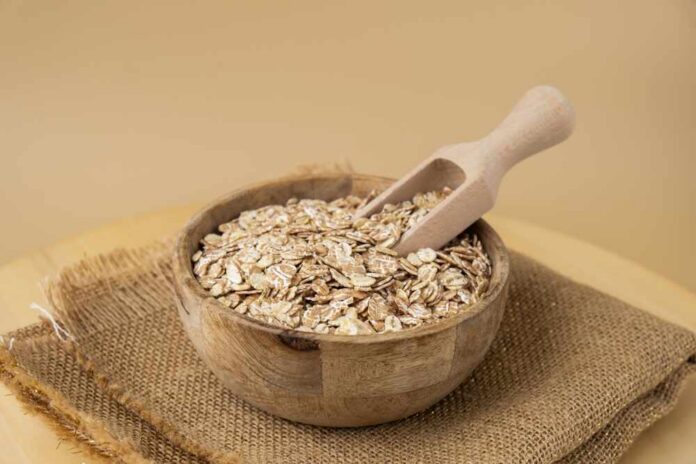
Forty-eight hours of oatmeal consumption just slashed bad cholesterol by ten percent in a University of Bonn study, proving that intensity trumps duration when it comes to dietary intervention.
Quick Take
- A two-day intensive oat diet reduced LDL cholesterol by 10% in people with metabolic syndrome, with benefits persisting six weeks later
- Participants consumed 300 grams of oatmeal daily during the 48-hour intervention, compared to typical moderate consumption of 80 grams
- Gut bacteria transformed oat compounds into phenolic metabolites like ferulic acid, the actual mechanism driving cholesterol reduction
- Researchers emphasize this approach complements rather than replaces medication, with future studies examining repeated interventions every six weeks
Why Two Days Beat Two Months
Most nutritional advice preaches patience. Eat oatmeal daily for months, the conventional wisdom goes, and your cholesterol numbers might improve. The University of Bonn researchers flipped this script entirely. Their clinical trial demonstrates that a concentrated, short-term intervention delivers measurable results comparable to or exceeding prolonged moderate consumption. This finding challenges our assumptions about how dietary change actually works at the metabolic level.
The Mechanism Behind the Miracle
Here’s where the story gets genuinely interesting. Oatmeal isn’t simply fiber doing its job. Researchers discovered that your gut bacteria function as metabolic translators. When you consume oats intensively, bacteria break down plant compounds and produce phenolic metabolites, particularly ferulic acid. Simultaneously, certain microbes eliminate the amino acid histidine, preventing its conversion into compounds promoting insulin resistance. This mechanistic understanding distinguishes rigorous science from marketing hype.
The 32 participants with metabolic syndrome experienced not just cholesterol reduction but also lost approximately two kilograms and showed lower blood pressure. These weren’t marginal improvements. These were measurable, clinically relevant changes occurring within 48 hours.
What Metabolic Syndrome Really Means
The study targeted individuals with metabolic syndrome, a cluster of conditions including excess body weight, elevated blood pressure, high blood sugar, and abnormal lipid profiles. This population faces substantially elevated risk for type 2 diabetes and cardiovascular disease. For them, preventive interventions matter enormously. The University of Bonn research suggests a surprisingly accessible option exists.
The Realistic Limitations
Marie-Christine Simon, the junior professor leading the research, deliberately tempered expectations. A ten percent LDL reduction, while substantial, isn’t comparable to modern cholesterol medications. This intervention functions as complementary therapy, not replacement therapy. The study doesn’t suggest abandoning statins for oatmeal. Rather, it identifies a practical dietary tool for individuals seeking non-pharmaceutical approaches or for those wanting to optimize their existing treatment.
What Happens Next
The research team plans to examine whether repeating intensive oat-based diets every six weeks maintains these benefits long-term. This represents the critical unanswered question. Can people realistically sustain a pattern of periodic intensive oatmeal consumption? Will the metabolic benefits accumulate or plateau? These follow-up studies will determine whether this finding transitions from scientific curiosity to practical clinical protocol.
Published in Nature Communications on February 25, 2026, this research arrived with peer-reviewed credibility and institutional backing. The methodology included control groups, multiple follow-up assessments, and biological sampling. Healthcare providers now possess evidence-based justification for recommending short-term intensive oat interventions to appropriate patients.
Just two days of oatmeal cut bad cholesterol by 10%
──────────────── 🔴
A clinical trial by the University of Bonn found that eating mostly oatmeal for just two days significantly reduced harmful LDL cholesterol by 10% in adults with metabolic syndrome, even… pic.twitter.com/MX0tkoR5KR— Science Joy (@InsideOurBodies) February 25, 2026
For the 40-plus demographic watching their cholesterol numbers creep upward, this study offers something increasingly rare in modern medicine: a simple, accessible, evidence-based intervention requiring no prescription. Whether you embrace it depends on your willingness to eat oatmeal exclusively for two days and your doctor’s assessment of whether it fits your particular health situation.
Sources:
Eating oatmeal for two days has unexpected impact on heart health, study suggests
University of Bonn: Short-term oat-based diet reduces cholesterol levels
Fox News Health: Eating oatmeal for two days has unexpected impact on heart health
American College of Healthcare Sciences: Can oats lower cholesterol in 2 days?
PubMed: Oat-based products and cholesterol reduction meta-analysis