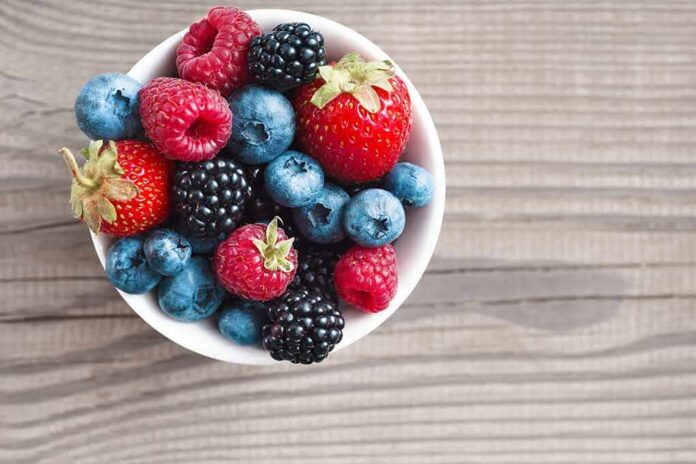
People who eat the most berries and other deep red, purple, and blue produce show meaningfully lower rates of heart disease than people who eat the least, according to a large body of nutrition research on a plant pigment called anthocyanin.
Quick Take
- A major meta-analysis found high anthocyanin intake linked to a 27% lower risk of total cardiovascular disease compared to low intake.
- Blueberries, blackberries, cherries, and red cabbage all carry high amounts of the pigment responsible for their color.
- Researchers believe anthocyanins help by lowering bad cholesterol, easing inflammation, and improving blood vessel function.
- Short-term lab trials show smaller, mixed benefits, reminding readers that diet studies rarely prove one compound acts alone.
What The Big Studies Actually Found
A 2021 review published in Frontiers in Nutrition pooled data from multiple prospective cohort studies tracking thousands of adults over years. It found people with the highest anthocyanin intake had a 27% lower risk of developing cardiovascular disease overall, compared to those eating the least anthocyanin-rich foods. The same review linked high intake to a lower risk of dying from cardiovascular disease and to lower risk of coronary heart disease specifically.
Other cohort research backs this up. A study in Circulation followed tens of thousands of women for 18 years and found those eating the most anthocyanin-rich foods, mainly blueberries and strawberries, had a notably lower risk of heart attack than those eating the least. A separate analysis using national health survey data found the highest anthocyanin intake tied to a 32% lower risk of dying from heart disease.
How Berries Might Be Protecting The Heart
Scientists point to a few likely mechanisms. Anthocyanins appear to raise “good” HDL cholesterol and calm inflammation, based on a randomized trial in men with high blood pressure. Other lab work shows the compound may improve how blood vessels relax and function, cutting down on the stiffness that raises blood pressure over time. Together, these small shifts could add up to real protection for the arteries over a lifetime of regular eating.
A review in the Journal of Agricultural and Food Chemistry laid out the biology further. Anthocyanins act as antioxidants, mopping up damaging molecules before they can harm blood vessel walls. That same review tied anthocyanin intake to lower rates of both heart attack and cardiovascular death across multiple population studies. It is a plausible, well-documented pathway, not a guess.
Why Short-Term Lab Trials Tell A Smaller Story
Not every study paints as rosy a picture. A systematic review of controlled trials found anthocyanin supplements improved LDL cholesterol mainly in people who already had heart disease or high-risk markers. In healthy people, the same supplements showed no significant effect on standard cardiovascular measures over the trial period. That gap between population studies and short lab trials is common in nutrition science, and it does not cancel out the long-term findings, it simply shows why researchers test the same idea multiple ways.
A crossover trial in prehypertensive men found anthocyanins raised HDL cholesterol, a genuine win, but did not budge other short-term markers of heart risk. Trials like this run for weeks or months. Cohort studies span years. Heart disease builds slowly, so a compound’s real payoff may simply take longer to show up than a lab trial can capture. That is not a contradiction, it is a difference in measuring stick.
What This Means For The Dinner Table
None of this requires a supplement aisle detour. A half cup of blueberries delivers roughly 121 milligrams of anthocyanins, and researchers note that one to two servings a day is enough to associate with lower cardiovascular risk in observational data. Blackberries, cherries, purple grapes, red cabbage, and eggplant carry the same pigment family. Common sense says a colorful produce drawer beats a pill bottle, and the price tag backs that up too.
Federal dietary guidance already pushes Americans toward more fruits and vegetables, and this research gives that old advice sharper teeth. Nobody needs a government mandate or a new food pyramid to eat more berries. The evidence simply confirms what grandmothers always said: eat the colorful stuff, and eat it often. That is a rare case where good science and old-fashioned common sense land in the exact same place.
Cardiovascular disease remains the leading cause of death in the United States, and small, affordable diet changes carry outsized potential when spread across millions of people. Berries will not replace medication or reverse existing disease on their own. But as one more tool for a healthy diet, backed by consistent, repeated findings across large populations, they earn their reputation honestly.
Sources:
mindbodygreen.com, researchportal.northumbria.ac.uk, pmc.ncbi.nlm.nih.gov, ahajournals.org, prnewswire.com, nad.com