The most powerful “GLP-1 boost” isn’t hiding in a prescription pad—it’s sitting in your cart when you shop like your gut bacteria vote on your appetite.
Quick Take
- GLP-1 is a gut-made hormone that helps control blood sugar, slows stomach emptying, and supports satiety.
- Fermentable fiber and resistant starch feed gut microbes that produce short-chain fatty acids, a key trigger for GLP-1 release.
- Protein, healthy fats, and polyphenol-rich plants can layer in additional GLP-1 support through multiple mechanisms.
- Food-based GLP-1 strategies work best as a consistent pattern, not as a one-week “reset.”
Why “Natural GLP-1” Became a Grocery-Aisle Movement
GLP-1 drugs turned into a cultural phenomenon for a simple reason: they reliably reduce appetite and improve blood sugar control. Then reality hit—high monthly costs, uneven insurance coverage, supply shortages, and side effects that many people can’t ignore for long. That pressure created a new demand: practical, food-first ways to nudge the body’s own GLP-1. The gut-health angle matters because GLP-1 begins in the intestine, not in willpower.
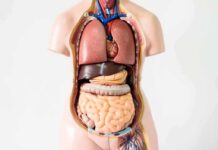
GLP-1 comes from L-cells in the small intestine, and those cells respond to what passes through—especially the byproducts of fiber fermentation. That’s the hidden plot twist behind the “ultimate grocery list” idea. You’re not chasing a miracle ingredient; you’re building a predictable environment where microbes make short-chain fatty acids like butyrate and propionate. Those signals help prompt GLP-1 release, which can make portions feel naturally smaller.
The Core Mechanism: Feed Microbes, Get Hormone Signals Back
Fermentable fiber deserves the top billing because it’s the cleanest line from food to GLP-1. Gut bacteria ferment soluble fiber and resistant starch, producing short-chain fatty acids that communicate with the gut lining. That’s why legumes and intact whole grains keep showing up in credible guidance: they deliver the raw material. If you want the “grocery list” to actually work, this category must appear at every meal, not just at dinner.
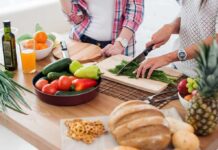
Build the cart around beans, lentils, chickpeas, and split peas; oats and barley; and starchy foods that become more resistant-starch-rich after cooling, such as potatoes or rice saved for leftovers. Add vegetables that you’ll actually eat daily—broccoli, Brussels sprouts, leafy greens, onions, and asparagus often show up as gut-friendly staples.
Protein and Healthy Fats: The “Brakes” That Make GLP-1 Matter
GLP-1 doesn’t operate in isolation; it works best when meals also slow digestion and steady glucose release. Protein does that directly, and it also helps preserve lean mass—an issue that becomes relevant when people lose weight quickly. Stock straightforward proteins: eggs, Greek yogurt or cottage cheese if tolerated, poultry, fish, and lean meats. For fats, prioritize olive oil, avocado, nuts, and seeds—foods that tend to increase satisfaction without spiking hunger an hour later.
Readers over 40 usually don’t need another complicated plan; they need a “default plate.” Try a simple structure: a palm-sized protein, a fist of high-fiber carbs (often beans), and two fists of non-starchy vegetables, finished with a tablespoon of olive oil or a small handful of nuts. That mix supports satiety and steadier blood sugar, creating conditions where GLP-1 signals feel stronger. Skipping protein and relying on “healthy carbs” alone often backfires.
Polyphenols, Fermented Foods, and the Hype Trap Around Supplements
Polyphenols—plant compounds found in berries, cocoa, coffee, tea, herbs, and spices—add another angle: they can influence the microbiome and may help preserve active GLP-1 by interacting with breakdown pathways discussed in nutrition literature. Fermented foods also earn a spot because they can support gut ecology, though results vary by person. Practical picks include plain kefir or yogurt, sauerkraut, kimchi, and other fermented vegetables with minimal added sugar.
Supplement talk tends to sprint ahead of evidence. Some compounds get attention—psyllium as a fiber tool, or botanicals like berberine and curcumin—but food remains the foundation for a reason: quality control, cost, and predictability. If a capsule claims to replace the work of a balanced diet, skepticism is warranted. Use supplements, if at all, as backup for gaps—not as the main engine of appetite control.
How to Shop Like an Adult: A Tight List That Actually Gets Used
Start with five “repeat buys” you can rely on: one legume, one intact grain, one fermented food, one protein you’ll cook without drama, and one fruit or vegetable you’ll snack on. Then rotate. A workable cart might include lentils, oats, sauerkraut, eggs, and frozen berries; next week swap in chickpeas, barley, plain kefir, salmon, and apples. Consistency beats novelty because microbes respond to steady feeding patterns.
Food access matters, and not everyone shops at boutique stores with endless options. The good news is the GLP-1-supportive list can be budget-friendly: dried beans, store-brand oats, frozen vegetables, canned fish, and bulk nuts go a long way. That’s the overlooked equity angle—real progress comes from building habits that survive busy weeks and tight budgets. When people treat this like a lifestyle instead of a cleanse, results become more realistic and sustainable.
Natural GLP-1 strategies should complement medical care, not replace it, especially for people with diabetes, severe obesity, or complex metabolic disease. Food can meaningfully improve satiety and blood sugar trends, but it won’t mimic the exact potency of prescription GLP-1 agonists. The smartest frame is “stacking the deck”: use groceries to support the biology you already have, reduce dependence on ultra-processed calories, and give yourself a fair fight against cravings.
Sources:
https://www.goodrx.com/conditions/weight-loss/how-to-increase-glp-1-naturally
https://www.royalspirulina.com/foods-that-naturally-boost-glp-1/
https://www.healthyforlifemeals.com/blog/foods-that-can-increase-glp-1-hormone
https://www.healthline.com/health/foods-that-increase-glp-1