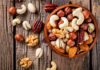
The real danger isn’t whether you snack—it’s when snacking turns into all-day grazing that quietly rewires your appetite.
Quick Take
- No clinical consensus proves “snacking” beats “no snacking” for weight or health; the winning plan is the one you can repeat.
- Snack quality matters more than snack frequency; protein and fiber tend to steady hunger and blood sugar better than refined carbs.
- Intermittent fasting can help some people control calories and improve certain metabolic markers, but adherence can be the deal-breaker.
- Mindless snacking is the most common failure mode: ultra-processed, portionless, and triggered by stress or boredom.
Why This Argument Refuses to Die in American Kitchens
The snack debate keeps resurfacing because it sounds like a simple lever: eat more often to “stoke” metabolism, or eat less often to “rest” the body. Mid-2000s advice leaned hard into frequent small meals, then the 2010s made fasting fashionable. Today, most evidence-driven guidance lands in the same place: neither pattern wins automatically; outcomes depend on total intake, food quality, and whether the routine matches real life.
Adults over 40 recognize the practical problem: schedules tighten, sleep gets lighter, stress gets louder, and willpower becomes a finite resource. In that environment, “snacking” can mean a planned mini-meal that prevents overeating at dinner—or it can mean a stream of packaged calories that never triggers a true stop signal. The body responds very differently to those two versions, even when the word is the same.
Snacking Done Right: A Tool for Appetite Control, Not Entertainment
Registered dietitians typically frame snacks as purposeful bridges between meals, not a hobby. The cleanest use case is predictable hunger that shows up before the next meal—especially if that hunger drives you to inhale dinner and keep picking afterward. A snack that includes protein and fiber tends to slow digestion and improve satiety, which can translate into steadier energy and fewer “I need something sweet” moments later.
Snack quality does the heavy lifting. A handful of nuts with fruit, yogurt with berries, or veggies with hummus behaves differently than crackers, candy, or a “health” bar that’s basically dessert in a wrapper. Foods that require chewing, contain intact fiber, and deliver meaningful protein are harder to overconsume and easier to stop eating. Packaged snacks often optimize for the opposite.
When Snacking Backfires: The Grazing Trap and the Processed-Food Shortcut
Grazing turns eating into a background activity, and background activities escape accountability. The most telling sign is not hunger—it’s the absence of a clear reason. People snack because they’re driving, watching TV, stressed, or “just a little bored,” and the calories arrive without a defined beginning or end. That pattern also trains the brain to expect frequent hits of reward, which makes real meals feel less satisfying.
Ultra-processed snacks exploit this weakness. They’re engineered for speed, shelf life, and repeatability, not fullness. Even “100-calorie packs” can fail if you eat three of them while standing at the pantry. From a responsibility-first perspective, this is where personal agency matters: manufacturers will always sell convenience; individuals have to decide whether convenience runs the day or serves a goal. A planned snack is choice; grazing is drift.
The No-Snack Approach: Why Fasting Works for Some People
Fewer eating windows can simplify life. Intermittent fasting often succeeds because it reduces decision points: fewer chances to negotiate with yourself, fewer opportunities for “just one more.” Some studies associate fasting with improvements in insulin sensitivity and cholesterol markers, and many people report better control when they stop feeding small cravings all day. The practical appeal is obvious—structure can beat constant vigilance.
The drawback is compliance. Skipping snacks can feel effortless for someone who isn’t very food-driven during the day, but punishing for the person who becomes irritable, distracted, or ravenous by late afternoon. That “ravenous” state rarely leads to disciplined choices; it leads to oversized portions, rushed eating, and dessert-as-a-relief-valve. The best plan is the one that prevents extremes, not the one that looks toughest on paper.
Blood Sugar, Energy Slumps, and the People Who Actually Need Snacks
Blood sugar management changes the equation. Some people—especially those managing diabetes—use snacks strategically to avoid crashes, smooth medication timing, or prevent overeating that spikes glucose later. For others, balanced meals remove the need. The key distinction is purpose: a snack to correct or prevent a predictable dip is a medical or performance strategy; a snack to “treat yourself” at 3 p.m. is usually a habit loop.
Activity level matters too. Athletes, physically demanding jobs, and long gaps between meals can justify snacks that look more like compact nutrition: protein, fiber, and some carbs timed to need. Adults trying to maintain muscle as they age also benefit from adequate protein across the day, but that doesn’t require constant nibbling. It requires planning—something the snack food aisle is happy to pretend you don’t need.
A Simple Decision Rule That Beats Diet Tribalism
Use a two-question filter before you eat between meals. First: “Would I eat something plain?” If the answer is no, hunger isn’t driving. Second: “Can I name the job this snack is doing?” If the job is “hold me over until dinner,” choose protein and fiber and portion it. If the job is “I’m stressed,” solve the stress first. This approach respects freedom while demanding clarity.
Snacking versus no snacking isn’t a moral contest; it’s a systems problem. Build an eating pattern that survives your actual week, not your ideal one. People who succeed long-term usually do one of two things: they plan satisfying snacks and stop, or they remove snacks entirely and commit to real meals. Both work. The failure mode is the same every time: unplanned calories that feel too small to count until they do.
The frustrating truth also happens to be empowering: you don’t need a trendy label to eat well. You need a repeatable routine, food that leaves you full, and boundaries that protect you from your own distracted moments. Pick the pattern—snacks or no snacks—that makes those boundaries easiest to keep, then defend it like it matters, because it does.
Sources:
https://stcharlesplasticsurgery.com/snack-not-snack-benefits-frequent-meals-vs-fasting/
https://www.healthline.com/nutrition/snacking-good-or-bad
https://www.mayoclinichealthsystem.org/hometown-health/speaking-of-health/sensible-snacking
https://health.sunnybrook.ca/snack-or-not-to-snack/
https://nutritionsource.hsph.harvard.edu/snacking/
https://diabetesfoodhub.org/blog/snack-or-not-snack