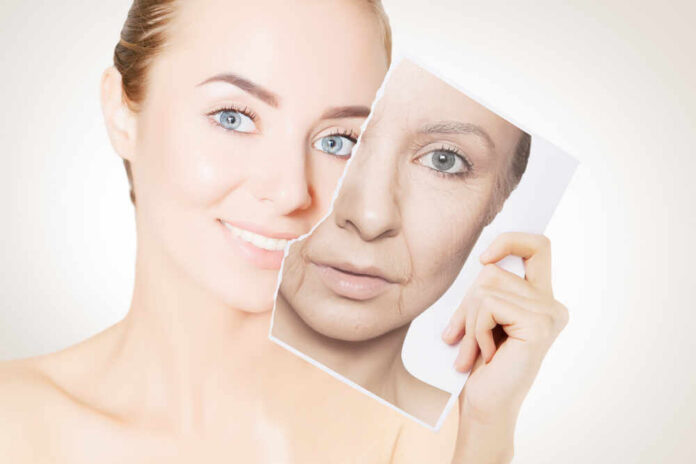
The secret to smooth skin after 40 isn’t found in a jar—it’s hidden in your refrigerator, waiting to reverse what time and biology conspire to steal from your face.
Story Snapshot
- Collagen production drops significantly after 40, accelerating wrinkles and sagging through reduced cell turnover and increased inflammation
- Scientific meta-analyses of 61 studies confirm lipids, polyphenols, and omega-3s dramatically improve elasticity, hydration, and skin barrier function
- Mediterranean-style eating patterns outperform topical treatments by addressing internal aging mechanisms through accessible foods like salmon, berries, and avocados
- Structured meal plans emphasizing anti-inflammatory nutrients show visible results within days while building long-term skin resilience
Why Your Skin Betrays You After Forty
The biological shift happens quietly but devastatingly. Collagen synthesis slows to a crawl after your fourth decade, dragging down the scaffolding that keeps skin taut and plump. Cell turnover rates that once refreshed your complexion every few weeks now languish, leaving dullness and fine lines to accumulate like unpaid debts. Inflammation creeps upward while oxidative stress compounds daily, creating the perfect storm for accelerated aging. Hormonal turbulence from perimenopause and menopause pours gasoline on the fire, triggering dryness and breakouts that confuse women accustomed to predictable skin behavior.
The Foods That Rebuild What Time Takes Away
Researchers analyzing six decades of nutritional dermatology studies identified the compounds that actually move the needle on aging skin. Lipids and fatty acids emerge as the workhorses, improving elasticity and hydration across multiple trials with consistency that surprised even skeptical scientists. Polyphenols from sources like green tea and berries strengthen skin barriers while fighting the oxidative damage that etches lines into faces. Omega-3 fatty acids from fatty fish calm the inflammatory fires that manifest as redness and irritation. Collagen peptides reduce pigment spots that betray your age faster than any wrinkle.
The Mediterranean Blueprint for Ageless Skin
Stanford researchers crowned the Mediterranean diet as the optimal eating pattern for people navigating their 40s and 50s, and skin benefits explain much of its supremacy. This isn’t about deprivation or exotic ingredients—it’s about abundance of plant fats, cold-water fish, vegetables bursting with carotenoids, and fruits loaded with vitamin C for collagen synthesis. The diet’s anti-inflammatory profile addresses the root cause of aging rather than masking symptoms. Women following Mediterranean patterns report improvements in multiple skin markers simultaneously: fewer breakouts, better moisture retention, reduced redness, and improved texture that makeup can’t fake.
The Seven-Day Transformation Protocol
Practical implementation matters more than theoretical knowledge, which is why structured meal plans outperform vague dietary advice. A science-backed seven-day protocol targets glowing skin through strategic nutrient timing across 1,400 to 1,600 daily calories. Day one emphasizes hydration and antioxidants to flush toxins and protect cells. Day two loads omega-3s from salmon alongside citrus for collagen building. Day three introduces probiotics to leverage the gut-skin axis that dermatologists increasingly recognize as crucial. Days four and five pile on berries, avocados, lean proteins, and zinc-rich foods. The progression addresses multiple aging pathways simultaneously rather than relying on single-nutrient heroics.
What The Research Actually Proves
Meta-analyses examining 61 randomized controlled trials provide the evidence that separates wishful thinking from biological reality. Carotenoids demonstrated the strongest effect on reducing redness, with statistical significance that survived rigorous scrutiny. Collagen interventions appeared in 27.9 percent of studies, consistently reducing pigment spots that age faces prematurely. Lipids, fatty acids, and polyphenols showed broad-spectrum improvements across wrinkles, hydration, and elasticity—the trifecta of youthful skin. The data revealed moderate heterogeneity in some outcomes, suggesting individual responses vary, but core benefits remained robust across diverse populations. Publication bias was notably absent in key areas, strengthening confidence in positive findings.
The Nutrients That Deliver Visible Results
Specificity matters when choosing foods for skin transformation. Astaxanthin-rich salmon tops lists for its dual omega-3 and antioxidant payload. Blueberries and blackberries deliver anthocyanins that protect collagen from degradation. Flaxseeds provide lignans and alpha-linolenic acid for barrier function. Avocados supply monounsaturated fats and vitamin E that hydrate from within. Leafy greens offer lutein and zeaxanthin for photoprotection. Green tea catechins fight oxidative stress while supporting elasticity. These aren’t exotic superfoods requiring specialty stores—they’re available in any grocery aisle, making consistent implementation realistic rather than aspirational.
Why Topical Treatments Fall Short
The cosmetics industry built a multi-billion-dollar empire on the promise that aging can be reversed from the outside in, but biology doesn’t cooperate with that fantasy. Skin cells require nutrients delivered through bloodstream highways, not surface-level applications that struggle to penetrate protective barriers designed to keep foreign substances out. Internal inflammation, oxidative stress, and collagen degradation operate far below where creams and serums reach. Dietary interventions address these root causes by providing raw materials cells need for repair and regeneration. This doesn’t mean abandoning topical protection—sunscreen remains non-negotiable—but expecting jars alone to counteract aging is like expecting paint to fix a crumbling foundation.
The Long Game Beyond Quick Fixes
Immediate improvements in hydration and glow appear within days of dietary shifts, offering the quick wins that sustain motivation. The profound transformations emerge over months as accumulated nutrients rebuild skin architecture from the cellular level upward. Enhanced elasticity from consistent lipid intake prevents the sagging that surgical interventions struggle to reverse. Reduced wrinkle depth from polyphenol accumulation rewrites what seemed like permanent damage. Better barrier integrity from omega-3s creates resilience against environmental assaults that age skin prematurely. Mediterranean adherence links to broader longevity benefits, suggesting that smooth skin after 40 signals internal health rather than vanity’s triumph.
Sources:
7 Day Diet Glowing Skin Women Over 40 – Reverse Health
Effects of dietary interventions on skin aging: a systematic review and meta-analysis – PMC
Anti-Ageing Diet – Science Focus
Healthy Habits Longevity 40s and 50s – Stanford Medicine
Anti-Aging Foods for Women – Jinfiniti
The Best Nutrients and Foods for Skin Health – Abbott Nutrition News
Foods That Support Healthy Aging – Healthline