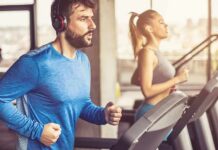
Your gut microbiome—a universe of 100 trillion microbes governing everything from digestion to mental clarity—thrives on two surprisingly simple habits that require zero meal prep, no trendy supplements, and less effort than brewing your morning coffee.
Story Snapshot
- Daily movement for just 30 minutes and proper hydration (4-8 glasses of water) fundamentally shift gut bacteria diversity without dietary restrictions
- These two habits prevent constipation, boost beneficial bacteria like Bifidobacterium, and reduce inflammation within days while lowering long-term risks of IBS and inflammatory bowel disease
- Harvard Health and leading gastroenterology groups prioritize these accessible strategies over expensive probiotic pills, which experts warn may trigger Small Intestinal Bacterial Overgrowth
- Sedentary lifestyles and chronic stress disrupt the gut-brain axis, but 150-270 minutes of weekly exercise restores microbial balance even in previously inactive adults
The Microbiome Revolution Nobody Told You About
The Human Microbiome Project, conducted between 2007 and 2013, cracked open a biological treasure chest that redefined human health. Researchers discovered gut microbes manufacture neurotransmitters, regulate immune responses, and extract nutrients from food your body cannot digest alone. Yet rising gut disorder rates—IBS now afflicts 10-15% of people globally—reveal modern life wages war on these microscopic allies. Processed foods starve beneficial bacteria while sedentary routines and relentless stress demolish microbial diversity. The 2020s brought renewed urgency as post-COVID research linked gut health directly to immune resilience, spotlighting habits that fortify this internal ecosystem.
Move Your Body, Transform Your Bacteria
Physical activity rewires your gut faster than any fermented food trend. A 2023 systematic review in the journal Nutrients confirmed that 150 to 270 minutes of moderate weekly exercise—walking, cycling, even gardening—increases populations of anti-inflammatory bacteria while suppressing harmful strains. Harvard Health emphasizes this threshold as non-negotiable for microbial diversity, noting that previously sedentary individuals experience measurable microbiota shifts within weeks. Post-meal walks prove especially potent, stimulating digestion and preventing bloating by moving food efficiently through the gastrointestinal tract. GI Associates physicians recommend daily movement as cornerstone therapy for gut-brain balance, citing reductions in stress hormones that otherwise fuel dysbiosis.
Hydration: The Overlooked Microbiome Fuel
Water does far more than quench thirst—it dissolves fiber into the gel-like substance that feeds beneficial bacteria and keeps waste flowing smoothly through your colon. Gastroenterologists recommend four to eight glasses daily, adjusting for climate and activity levels, to prevent constipation and support nutrient absorption. Dehydration thickens intestinal contents, slowing transit time and allowing harmful bacteria to proliferate. Within days, proper hydration reduces bloating and enhances production of butyrate, a short-chain fatty acid that fortifies colon cells and dampens inflammation. This habit costs nothing, requires no planning, yet delivers immediate relief while building long-term resilience against inflammatory bowel conditions.
Why Experts Reject the Supplement Shortcut
Dr. Kate Hutchinson at Henry Ford Health warns against probiotic pills, noting they may trigger Small Intestinal Bacterial Overgrowth in susceptible individuals. While supplement companies market proprietary strains as miracle cures, medical consensus favors foundational habits over capsules. Harvard Health and GI Associates prioritize movement and hydration because they create environments where diverse bacterial communities naturally flourish, rather than forcing monocultures into an unprepared gut. Commercial entities like Viome push personalized microbiome testing alongside these habits, but academic authorities maintain that basic lifestyle changes deliver benefits without the expense or risk of oversupplementation.
The Economic and Social Ripple Effects
Americans spend over 10 billion dollars annually treating IBS and related disorders, costs that simple preventive habits could dramatically reduce. Communities in high-stress urban environments stand to gain most, as movement and hydration counteract the gut-destroying effects of chronic cortisol elevation and processed food reliance. The wellness industry has responded with an eight percent yearly increase in probiotic food sales, yet the most transformative interventions remain free and universally accessible. This democratizes gut health, removing barriers for individuals unable to afford boutique supplements or elaborate meal plans. Aging populations particularly benefit, as enhanced microbial diversity correlates with improved immunity and reduced healthcare burdens.
What the Science Actually Shows
Meta-analyses confirm that active individuals harbor more beneficial bacteria than sedentary peers, with improvements in mental health emerging through the gut-brain axis. Fiber targets vary slightly across sources—21 to 38 grams daily depending on sex and age—but hydration and movement recommendations align universally. Harvard Health, GI Associates, and Henry Ford Health all endorse these two pillars as non-negotiable, even as they debate fiber ramping strategies to avoid bloating. No contradictions exist regarding the core benefits: reduced inflammation, enhanced nutrient absorption, and measurable increases in health-promoting bacterial strains. The evidence base spans peer-reviewed journals and clinical practice guidelines, grounding these habits in rigorous science rather than wellness fads.
Sources:
5 simple ways to improve gut health – Harvard Health
Digestive Health: 10 Habits for a Stronger Gut – GI Associates
7 ways to improve your gut health naturally – Henry Ford Health
25 Easy Gut Healthy Habits You Can Adopt in a NY Minute – Viome
10 Daily Habits That Are Secretly Hurting Your Gut Health – Intu Wellness