Doctors can now make a stomach smaller just by stitching it from the inside, with no cuts, no scars, and no overnight hospital stay.
Story Snapshot
- Endoscopic sleeve gastroplasty (ESG) shrinks the stomach using stitches placed through the mouth, with no surgical incisions.
- A major randomized trial found ESG patients lost far more weight than those using diet and lifestyle changes alone.
- The Food and Drug Administration (FDA) found a real clinical benefit but flagged some uncertainty about how big that benefit truly is.
- Mayo Clinic helped lead the research and now offers the procedure to patients who qualify.
How The Procedure Actually Works
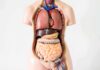
ESG uses a flexible scope and a suturing tool called OverStitch, guided down the throat into the stomach. Doctors fold and stitch the stomach wall to cut its size by roughly 80 percent, creating a narrow sleeve. There is no cutting, no removed tissue, and no rerouted intestines like traditional bariatric surgery requires. Patients typically go home the same day or after one night.
The procedure targets people who have already tried and failed structured weight-loss programs. Researchers designed the key study, known as the MERIT trial, for adults with a body mass index between 30 and 40 who needed another option beyond diet and exercise alone. That detail matters because it means the strongest evidence applies to a specific group, not every person carrying extra weight.
What The Landmark Trial Found
The MERIT trial compared ESG against medically supervised lifestyle changes alone, tracking patients for a year. The FDA’s own review of that data found patients receiving ESG lost a mean of 13.86 percent of total body weight by 52 weeks, compared to just 0.76 percent for those using lifestyle changes without the procedure. The agency concluded the results showed a genuine clinical benefit for weight loss.
Safety numbers looked encouraging too. The device maker reported serious complications in just 2 percent of ESG patients in the pivotal trial, and said every case resolved without needing intensive care or follow-up surgery. That is a notably low bar for an invasive medical procedure, even one performed without incisions.
Why Mayo Clinic’s Involvement Matters
Mayo Clinic was not a bystander watching this technology develop. The institution says it played a leading role in advancing ESG research, including involvement tied to the MERIT trial findings published in The Lancet in 2022. That track record gives Mayo’s patient-facing program added weight beyond marketing material, since it reflects direct participation in building the clinical evidence base.
The Honest Limits Behind The Headline Numbers
Weight-loss percentages quoted across different sources do not all match, and that is worth understanding before anyone books a consultation. The FDA’s trial data showed 13.86 percent total body weight loss at one year. A separate pooled review of multiple studies found 16.5 percent at 12 months and 17.2 percent at 18 to 24 months. Patient materials sometimes cite 18 to 20 percent. These numbers come from different patient groups and different measurement windows, so no single figure guarantees what any one patient will experience.
The FDA also described the overall evidence of benefit as carrying “moderate uncertainty,” language that deserves attention rather than dismissal. That does not mean the procedure fails to work. It means regulators wanted to be transparent that the size of the benefit, while real, was not pinned down with total precision. Patients weighing this option should treat that honesty as useful information, not a red flag.
Long-term durability also remains an open question researchers are actively studying. Clinical trial records note that investigators are still tracking how well weight loss holds up years later, along with quality-of-life effects and safety over time. Early results are genuinely encouraging, but ESG has not existed long enough to prove decades-long staying power the way older surgical options have.
What This Means For Patients Considering It
ESG was studied and approved as a companion to lifestyle changes, not a replacement for them. Every reputable program pairs the procedure with nutrition counseling and behavior support, because the trial itself tested ESG that way. Anyone considering this option should expect it to come bundled with real lifestyle work, not sold as a standalone fix requiring no further effort.
Sources:
youtube.com, accessdata.fda.gov, biospace.com, clinicaltrials.gov, mayoclinic.org