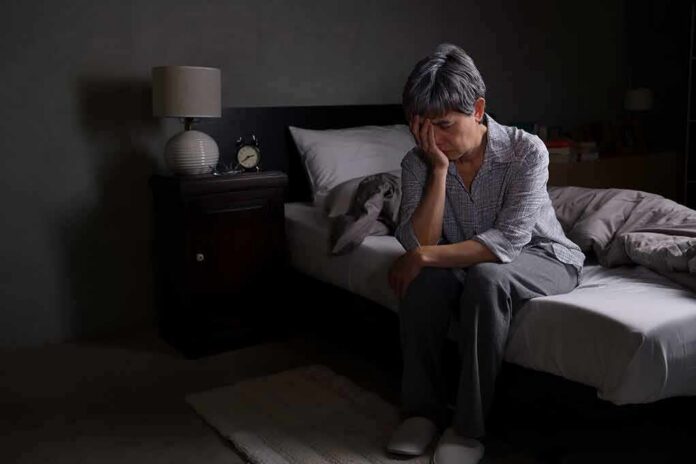
Waking up at 3 a.m. and staring at the ceiling for an hour is not a personal failure, it is a fixable habit problem. CBS Mornings tapped a board-certified sleep specialist to explain exactly why, and what to do instead.
Quick Take
- Dr. Shelby Harris, a board-certified behavioral sleep medicine specialist, shared nighttime wake-up advice on CBS Mornings.
- Her core tip, get out of bed if you can’t sleep, mirrors a treatment called stimulus control used for chronic insomnia.
- Sleep experts distinguish between occasional awakenings and chronic insomnia, which needs a more structured treatment approach.
- Top sleep guidelines recommend a combination of behavior changes, not just one trick, for lasting results.
What The CBS Segment Actually Told Viewers
CBS Mornings brought on Dr. Shelby Harris, a board-certified behavioral sleep medicine specialist, to tackle a problem almost everyone knows: waking up in the middle of the night and struggling to drift back off. The segment, confirmed on the CBS News video platform, framed her advice as practical steps anyone can try at home, not a clinical prescription.
Her headline advice, leave the bed if sleep will not come, sounds counterintuitive at 3 a.m. But it lines up with decades of sleep science. Lying awake in bed trains your brain to link the mattress with frustration instead of rest. Getting up breaks that bad habit before it takes hold.
Why Leaving The Bed Actually Works
The American Academy of Sleep Medicine calls this approach stimulus control, and it is a recommended treatment for chronic insomnia. The goal is simple. Your brain should connect the bed with sleep, not with tossing, turning, or scrolling your phone. Getting out of bed when you cannot sleep protects that connection over time.
This is not a fringe idea cooked up for a morning talk show. The Academy’s clinical guideline lists stimulus control alongside sleep restriction, relaxation training, and cognitive strategies as parts of a treatment package called cognitive behavioral therapy for insomnia, often shortened to CBT-I. Clinicians are urged to use the full combination rather than a single piece alone.
One Tip Is Not A Full Treatment Plan
Here is where common sense has to step in. A five-minute television segment cannot replace a doctor’s visit for someone battling insomnia for months. The guidelines behind this advice were built for adults with chronic insomnia disorder, meaning sleep trouble lasting three months or longer with real daytime consequences, not someone who occasionally wakes up after a late dinner.
Research shows acute, short-term insomnia affects a huge share of adults, while chronic insomnia is a smaller but still significant slice of the population. That gap matters because the strongest evidence for techniques like stimulus control comes from studies on the chronic group. Viewers with occasional sleepless nights can borrow the tip, but people with ongoing sleep struggles deserve a fuller conversation with a doctor.
A Reasonable, Research-Backed Starting Point
None of this diminishes the value of what aired. Dr. Harris’s advice reflects real clinical thinking, not guesswork, and getting out of bed when sleep will not come costs nothing and carries no risk. For the average person jolted awake by a dog barking or a bad dream, it is a smart first move.
The bigger lesson for readers over 40, who know a thing or two about restless nights, is that sleep problems respond best to consistent habits, not quick fixes alone. A single tip from a trusted expert on national television can be the nudge that gets someone to finally address a problem they have been ignoring for years. That alone makes the segment worth the five minutes it took to watch.
Sources:
youtube.com, cbs.com, cbsnews.com, nestlemedicalhub.com