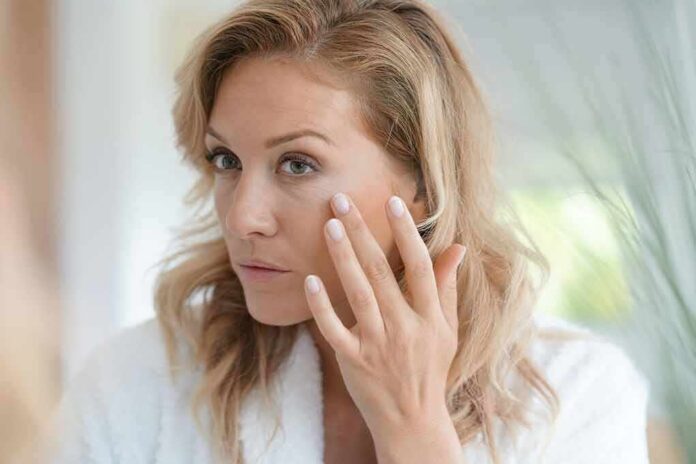
One woman finally said out loud what many feel in private: she quit trying to look young—and felt free.
Story Snapshot
- A first-person essay describes stopping a grinding “anti-aging” routine after years of pressure
- Psychologists and surveys link youth-driven beauty ideals to stress and lower self-esteem
- Dermatology guidance supports simple, health-first care over chasing age reversal
- Research shows many women push back on ageist beauty norms as they grow older
A clear choice to step off the treadmill
A Woman’s Day essay set the terms plainly. After years of tools, tricks, and time, the author wrote, “I quit trying to look younger,” and pledged to meet her age without apology. The pivot followed what she called an exhausting, never-ending routine meant to recapture a younger self. The story resonated because it named a daily grind many know well. It also reclaimed something basic: time, money, and dignity redirected from chasing a number on a cake.
The motive in the essay was not rebellion for its own sake. It was relief. The author described a loop of products, appointments, and self-critique that delivered shrinking returns. Quitting did not mean neglect. It meant drawing a boundary. That framing fits what many clinicians advise: aging is normal; care should serve health and confidence, not a war on birthdays. The result is different goals, calmer habits, and a face that matches a real life.
What pressure does to people, and why pushback grows
Psychology writing ties youth-obsession to anxiety and harsh self-talk, especially when every mirror invites a fight you cannot win. Counseling sources warn that idealized images raise fear of aging and erode self-worth when looks define value. Large surveys report many women feel judged first by appearance and feel the strain most in younger decades; with age, more women report loosening the grip of those rules. That arc mirrors the essay’s turn from performance to peace.
Peer-reviewed research documents how ageist beauty norms teach women to mask signs of time to stay “acceptable,” and how that expectation fuels self-surveillance and exclusion. Interview studies show many older women negotiate a double bind: stay “natural,” but not too natural; stay “youthful,” but not fake. Against that maze, the choice to stop chasing younger reads as common sense. Freedom comes from setting a standard you can actually meet: honest care, honest years, steady character.
Health-first aging beats anti-aging gimmicks
Dermatology guidance is blunt on what works. Daily sun protection does more to slow visible skin damage than any pricey promise, because ultraviolet light drives much of the change we blame on age. Experts also stress gentle routines, sleep, and basics like moisturizing—not endless upgrades that drain wallets and hope. That counsel aligns with a conservative value many readers share: spend on what delivers, skip the theater, and do the simple things well and often.
Popular culture still sells a quick fix, but even lifestyle outlets now admit the obvious: looking “ten years younger” is a fantasy, and most treatments only refine the age you are. When writers inside the beauty world say they no longer center age and now focus on fit, function, and feeling well, they echo the pivot in the essay—and validate readers who are tired of the chase. The durable wins come from care you can keep, not a secret serum or a new rulebook.
What this choice signals, and how to act on it
The decision to stop trying to look younger does not scold those who enjoy makeup or procedures. It reorders the goal. The healthier target is strength, steadiness, and presence. The practical path is short and proven: protect skin, move your body, sleep enough, and choose styles that suit your life. The moral frame is even simpler: you are not a product. Aging is not a failure to manage. A calm routine and a clear mind beat the hamster wheel every time.
Sources:
youtube.com, womansday.com, vogue.com, betterhelp.com, health.harvard.edu, webmd.com, pmc.ncbi.nlm.nih.gov, sciencedirect.com, arno.uvt.nl