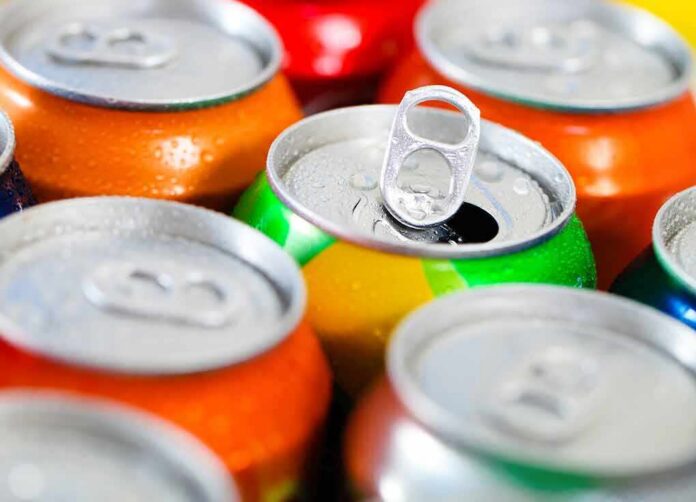
When one “harmless” can of energy drink quietly turns into eight a day, the line between a quick boost and a life‑altering stroke gets dangerously thin.
Story Snapshot
- Doctors linked a fit man’s stroke to an 8‑can‑a‑day energy drink habit and sky‑high blood pressure
- Studies show energy drinks can squeeze brain arteries and slow blood flow, a setup for stroke
- Major clinics say moderate use is likely safe, but heavy use pushes you into the danger zone
- The more you lean on liquid stimulants, the more you gamble with your brain
When Your Daily Pick-Me-Up Starts Playing Roulette with Your Brain
A man in his 50s, fit and working full time, walked into a hospital with a stroke, and doctors could not find the usual culprits at first. He did not smoke, drink heavily, or live on fast food. The puzzle cracked only when he admitted he had been drinking eight high‑potency energy drinks every single day. His blood pressure was through the roof, and physicians traced that extreme habit as the likely driver of his brain injury.
Case reports like his are not just one‑off scare stories; they are often the early flare that tells doctors a pattern may be forming. A British medical journal case report and follow‑up coverage warned that downing several strong energy drinks every day may pose a serious stroke risk, especially in people who seem “otherwise healthy” but quietly have high blood pressure. Those warnings fit with a broader set of reports tying very high energy drink intake to both ischemic strokes and even brain bleeds.
What These Drinks Do to Blood Vessels and the Brain
Energy drinks are not just flavored caffeine; they are a cocktail of stimulants like caffeine, taurine, and sugar or artificial sweeteners that act together on your heart and blood vessels. Controlled studies in healthy young adults show a single can of a popular energy drink can raise systolic blood pressure by about 10 points and diastolic by about 7, boost heart rate by around 20 beats per minute, and reduce blood flow speed in the brain’s arteries. That combination increases cerebrovascular resistance, meaning the brain’s pipes are tighter and harder to push blood through.
Doctors who treat stroke point to several overlapping mechanisms. Caffeine makes the heart beat faster and harder and drives blood pressure spikes, which over time damage vessel walls. Taurine and other additives may amplify this vessel squeezing effect when combined with caffeine. Sugar adds another hit by driving inflammation and harming the lining of blood vessels, similar to what happens in diabetes. Reviews in major medical journals now list stroke among severe outcomes seen with heavy energy drink use, along with arrhythmias, heart attacks, and even cardiac arrest in young adults.
Moderation Claims, Comforting Statistics, and Their Blind Spots
Here comes the counter‑angle that many readers find soothing. A key scientific review and the Mayo Clinic both say that for the vast majority of people with healthy hearts, moderate energy drink use is probably safe. One prominent Mayo physician boils it down bluntly: for 199 out of 200 people without genetic heart disease, energy drinks in moderation are safe. Other experts echo that an occasional can, or even one per day, is unlikely to trigger a stroke in most people.
That message rests on an important fact: most dramatic cardiovascular events reported in the literature involve extremes—very high intake, mixing drinks with alcohol or other stimulants, or pounding multiple cans in a short window. In moderate users, there are far fewer case reports of heart attacks or strokes. It is fair to say science has not proven that typical, light energy drink use causes strokes across the population. The risk curve appears to bend sharply upward when people cross into heavy, chronic use.
Sources:
docs.google.com, pmc.ncbi.nlm.nih.gov, pdfs.semanticscholar.org, bmjgroup.com, health.stonybrookmedicine.edu, library.ucdavis.edu, acsm.org, mirror.co.uk, health.clevelandclinic.org, shibboleth.idm.home.nyu.edu, newsnetwork.mayoclinic.org