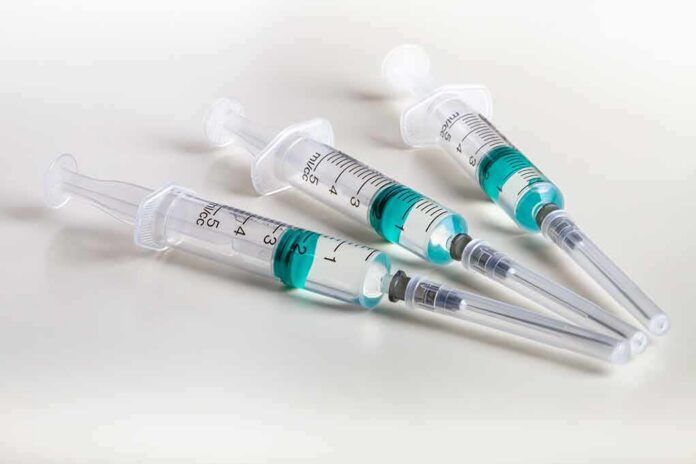
A peptide with zero completed human trials is already being sold online and injected by people chasing a leaner body, even as regulators list it as a banned substance.
Quick Take
- MOTS-c is a mitochondrial peptide that prevented obesity and improved blood sugar in mice, without cutting how much they ate.
- No human trial of the actual peptide has ever finished, and the first real study started enrolling patients in February 2026.
- The U.S. Anti-Doping Agency bans MOTS-c and says it does not know under what conditions, if any, it is safe.
- Online sellers and YouTube promoters, some with no medical license, are marketing it anyway, with buyers reporting heart palpitations and insomnia.
What The Mouse Studies Actually Found
Researchers first identified MOTS-c a decade ago in a landmark 2015 study published in Cell Metabolism. Mice given the peptide daily for three weeks gained less weight, burned more energy, and produced more body heat than untreated mice, even though they ate the same amount of food. The peptide also cut fat buildup in the liver and improved how well the mice’s bodies handled blood sugar.
Follow-up animal studies found MOTS-c works by switching on an enzyme called AMPK inside muscle cells. That enzyme tells cells to burn fat instead of storing it and helps muscles pull in more sugar from the blood. Separate rodent work found MOTS-c reversed age-related insulin resistance in older animals and nearly doubled how far they could run, independent of their weight.
Human Testing Is Just Beginning
Despite over a decade of encouraging mouse data, no human has completed a clinical trial testing whether injected MOTS-c actually works in people. The first real test, a 12-week study in adults with prediabetes and obesity, only opened for enrollment in February 2026, and results are not expected until roughly 2028. Everything known about MOTS-c in humans so far comes from watching natural levels, not from giving people the peptide directly.
That gap matters because animal success stories in obesity research often fail to hold up once tested in people, a pattern seen with other experimental fat-fighting peptides that showed strong mouse results but needed years of retooling before reaching patients. Health researchers who track the peptide caution it is “more accurate to describe as a metabolic optimizer than a weight loss drug” at this stage.
Regulators Call It A Banned Substance, Not A Treatment
The Food and Drug Administration has not approved MOTS-c for any use, and the U.S. Anti-Doping Agency lists it as a banned metabolic modulator under world anti-doping rules. The agency states plainly that it does not know under what conditions, if any, the peptide is safe, because no clinical trials have been completed. That has not stopped a gray market of online sellers offering it as a research chemical, no prescription required.
People who say they bought MOTS-c online have reported side effects including a racing heart, injection site irritation, insomnia, and fever, according to anti-doping officials. Because the supply is unregulated, there is no way to confirm dosing, purity, or contamination in what buyers are actually injecting, leaving users exposed without medical oversight.
Promoters Outpace The Proof
Much of the public buzz around MOTS-c comes from YouTube videos and social media posts, not peer-reviewed journals. Some hosts openly admit they lack medical training; one popular peptide creator states directly, “I am not a doctor,” while still recommending dosing stacks. Other videos come from clinic-affiliated presenters promoting partner pharmacies that sell the very compounds they discuss.
This mix of real laboratory promise and unproven human marketing echoes a broader pattern in the peptide world, where compounds that work in mice get rushed toward consumers years before regulators or scientists confirm they are safe or effective. For a public already skeptical that institutions have their best interests at heart, MOTS-c is another case where hype outruns evidence, and buyers are left to gamble with their own health while the actual science catches up.
Sources:
menshealth.com, peptidejournal.org, realpeptides.co, pmc.ncbi.nlm.nih.gov, healingmaps.com