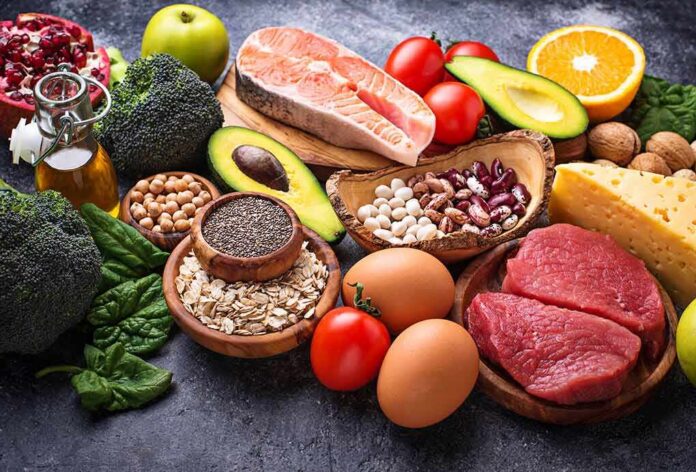
Men eating more beans and less red meat dropped weight and “bad” cholesterol in just six weeks, without being told to cut calories—and that simple swap now sits at the center of a bigger fight over protein, muscle, and nutrition.
Story Snapshot
- University of Helsinki trial: bean-based meals beat meat-only for weight loss and LDL cholesterol in six weeks
- Legume swaps cut “bad” cholesterol by about 6–7 percent across dozens of trials
- Bean fiber triggers gut changes that may curb appetite and support blood sugar control
- Critics warn about lower leucine and possible muscle loss if meat is dropped carelessly
The six-week experiment that poked the meat myth
University of Helsinki researchers did something refreshingly simple: they took healthy, working-age men and told half of them to swap part of their red and processed meat for foods made from peas and faba beans, while the other half kept to meat-heavy meals. No one was ordered to count calories or chase macros. After only six weeks, the legume group had lost about one kilogram, while the meat group lost just 0.3 kilograms. That is more than triple the weight loss from a basic protein swap.
Weight was not the only thing that moved. Total cholesterol and low-density lipoprotein cholesterol, the “bad” kind linked to clogged arteries, dropped in the bean group and actually went up in the meat group. The legume eaters also reported more fiber and less saturated fat, which lines up with kitchen reality: beans bring roughage and softer fats, while sausages and bacon bring dense saturated fat. This echoes an older pattern in nutrition: shift the protein source, and the whole nutrient profile changes.
Beans, cholesterol, and the quiet power of plant protein
The Helsinki findings do not stand alone. Harvard’s Nutrition Source highlights a meta-analysis of 36 randomized trials, with 1,803 people, where replacing red meat with legumes led to about a seven percent drop in total cholesterol and a six percent drop in low-density lipoprotein cholesterol. That is not a miracle cure, but it is the difference between drifting toward statins and quietly staying below the danger line. For middle-aged readers watching lab numbers creep up, those single-digit shifts matter.
Other clinical work in people with diabetes backs this up. When red meat was replaced with legumes as part of a therapeutic lifestyle plan, patients had lower fasting low-density lipoprotein cholesterol, triglycerides, and insulin compared with a similar plan that kept meat. Put simply, beans did not just change numbers on a paper; they helped key hormones and blood fats move toward a safer zone. That lines up with larger reviews showing plant protein swaps improve weight control, blood lipids, and blood sugar regulation over time.
Why a cheap pot of beans acts like appetite control
Beans are dense with fiber and something called resistant starch, which acts more like a slow-burning fuel than quick sugar. This starch and fiber feed gut bacteria that make short-chain fatty acids such as butyrate, which can trigger natural release of GLP-1, a hormone that boosts fullness signals and steadies blood sugar. Doctors who specialize in obesity note that this “gut-first” route mimics some aspects of drugs like Ozempic, but through food rather than a prescription. That is not magic; it is basic biology responding to what hits the plate.
🫘❤️ A study highlighted by the Science of Eating found that when men ate more beans and less red meat, they experienced improvements in cholesterol levels and body weight.
Read more: https://t.co/Bof0YdQ0Jc #beaninstitute #northarvest #hearthealth #cardiovascularhealth pic.twitter.com/sn8fCIVBmP— Bean Institute (@beaninstitute) July 14, 2026
Short-term trials show people eat less after bean-based meals compared with meat-based meals at the same protein level, because they feel fuller for longer. One controlled study found a high-protein legume meal cut energy intake by about 12–13 percent compared with a high-protein meat meal at the next eating opportunity. For someone who is not going to weigh every snack, getting more “automatic” appetite control from breakfast or lunch is far more realistic than white-knuckle dieting.
Where the bean swap fits in the real-world
Mainstream guidelines still support moderate meat intake, especially lean cuts, rather than a blanket ban. At the same time, large reviews show that replacing even a small share of animal protein with plant protein links to lower mortality and cardiovascular risk. So the big picture looks less like a culture war and more like a budgeting problem: your body does better when some of your protein “budget” moves from steak to stew.
Short trials with legume swaps and plant-based meat alternatives point in the same direction on weight and low-density lipoprotein cholesterol, even if sodium or protein quality vary. Processed plant meats are not the same as whole beans, but both show that you can protect your heart without destroying your protein intake. The practical middle ground is clear. Keep enough high-quality protein to guard your muscles, add beans often enough to lower cholesterol and help your waistline, and skip the fantasy that one food choice alone will save or doom you.
Sources:
docs.google.com, news-medical.net, eatingwell.com, nutritionsource.hsph.harvard.edu, sciencefocus.com, pmc.ncbi.nlm.nih.gov, health.harvard.edu, downstate.edu