Five everyday nutrients keep showing up in heart health research as either silent protectors or hidden risks, and a fresh look at the evidence spells out which is which.
Quick Take
- Omega-3 fats from fish show real, measurable drops in heart attacks and cardiovascular death in trial data.
- Folate appears to lower stroke risk and ease artery damage linked to high homocysteine levels.
- Vitamin C and lycopene help the heart when eaten in food but show little benefit as pills.
- Fiber keeps earning credit across decades of studies for cutting coronary heart disease risk.
- Food-based sources consistently beat supplements when researchers compare the two head to head.
The Omega-3 Case: What the Data Actually Shows
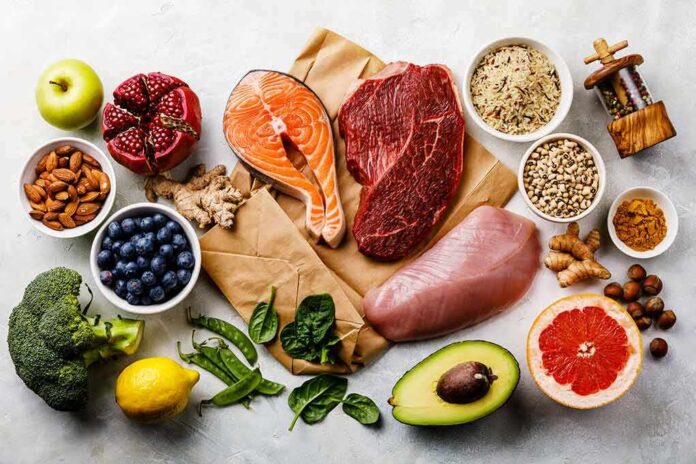
Omega-3 fatty acids, the kind found in salmon, sardines, and fish oil, carry some of the strongest evidence in this analysis. A pooled review found omega-3 intake tied to meaningful drops in cardiovascular death, coronary heart disease, and heart attacks, including fatal ones. Separate work from the Nutrition and Chronic Diseases Expert Group also flagged seafood omega-3s as having likely causal, protective effects on heart and metabolic health.
The strength of the omega-3 findings stands out because so much nutrition research lands in murky territory. Here, multiple independent reviews point the same direction. That consistency matters. For readers tired of diet advice flipping every few years, omega-3s are closer to settled science than most nutrients get.
Folate’s Role in Protecting Arteries
Folate, also known as vitamin B9, shows up in leafy greens, beans, and fortified grains. Research links higher folate intake to lower homocysteine, an amino acid that damages blood vessels when levels run high. One review found folic acid associated with a notably lower risk of stroke, giving it a specific, targeted benefit rather than a vague overall boost.
That stroke-specific finding is worth pausing on. Not every nutrient on this list claims to prevent the same outcome. Folate’s advantage seems narrower but real, aimed squarely at the blood vessels feeding the brain rather than the heart muscle itself. That distinction should matter to anyone picking supplements based on family history.
Vitamin C and Lycopene: Food Beats Pills
Vitamin C and lycopene, the pigment that gives tomatoes their color, both show an inverse relationship with cardiovascular disease when researchers track what people eat. Higher blood levels of vitamin C, along with vitamin E and beta-carotene, correlate with lower heart disease risk in systematic reviews. But that pattern breaks down once vitamin C gets bottled.
Trials testing vitamin C supplements have failed to show any benefit for preventing cardiovascular events, even though the dietary version looks protective. This gap between food and pill is the single most important pattern in the entire body of research. The vegetables deliver results. The capsules, so far, do not.
Fiber’s Steady Heart Benefit
Fiber has quietly built one of the most durable track records in cardiovascular nutrition. A pooled analysis of eleven separate cohort studies found higher fiber intake linked to fewer coronary heart disease events and lower death rates from the condition. The Nutrition and Chronic Diseases Expert Group listed fiber among the nutrients with evidence strong enough to call the relationship causal, not just coincidental.
Fiber comes from whole grains, beans, fruits, and vegetables, the same foods doctors have pushed for generations. Unlike flashier supplements, fiber never promised a shortcut. It simply keeps showing results decade after decade, across different research teams and different populations, which is exactly the kind of boring consistency that conservative-minded skeptics of fad science should respect.
Why Diet and Supplements Tell Different Stories
Across all five nutrients, one theme repeats. Whole-food sources tend to outperform isolated pills, with researchers noting that food-based nutrients offer better safety and effectiveness than supplements pulled out and concentrated in a capsule. That is not an argument against supplements entirely. It is a reminder that a pill rarely replicates what a balanced plate delivers.
Nutrition science moves slowly and rarely offers a single clean answer. But the pattern here is clear enough to act on. Eat the fish, the beans, the tomatoes, and the greens. Treat the supplement aisle with healthy caution rather than blind faith, and let the dinner plate do the heavy lifting your heart actually needs.
Sources:
mindbodygreen.com, academic.oup.com, pmc.ncbi.nlm.nih.gov, pubmed.ncbi.nlm.nih.gov, onlinelibrary.wiley.com, journals.plos.org, eatforhealth.gov.au