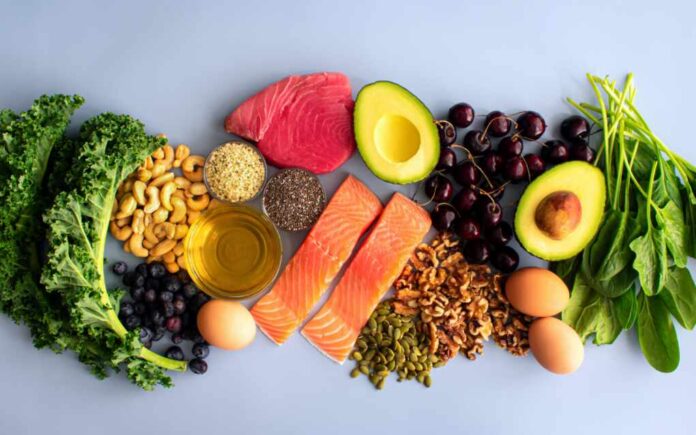
The most surprising thing about metabolic syndrome is not that plants help—but that vegetables, more than fruits, keep showing up as the quiet workhorses in the data.
Story Snapshot
- Both fruits and vegetables are linked to lower odds of metabolic syndrome in most studies
- Research shows vegetables, especially in higher amounts, tied to better metabolic health
- The smartest play is not fruit versus vegetables, but how you stack both to lower risk
What Metabolic Syndrome Really Is And Why Plants Matter
Metabolic syndrome is not one disease. It is a cluster of problems that like to travel together: big waistline, high blood pressure, high blood sugar, low “good” cholesterol, and high triglycerides. When three or more show up, your risk of heart disease and type 2 diabetes shoots up. For people over 40, this cluster often creeps in quietly over years of processed food, sitting too much, and sleep debt. That is why any simple, daily habit that nudges those numbers in the right direction is worth serious attention.
Across many studies, people who eat more fruits and vegetables tend to have lower odds of metabolic syndrome. A meta-analysis pooling multiple studies found that those in the highest categories of fruit intake had about 13% lower odds, and those with the most vegetables had about 15% lower odds. The combination of both was even stronger. That pattern supports the idea: plant-rich plates, especially non-starchy ones, are a basic shield for metabolic health.
The Case For Vegetables As Metabolic Workhorses
One meta-analysis of observational studies found both vegetable and fruit consumption each linked to lower risk, with vegetables showing about an 11% risk reduction and fruit about 19%. Another study in adults with existing health problems reported that high white and red vegetable intake lowered metabolic syndrome risk in both sexes, while high fruit intake lowered risk in men. These studies fit what many doctors and dietitians already see in clinic: people who push up non-starchy vegetables tend to see better waistlines, blood pressure, and triglycerides over time.
One analysis that looked at overall fruit and vegetable intake found that lower intakes were tied to higher metabolic syndrome odds, and when researchers separated them, lower vegetable intake in particular stood out as a risk factor. That points to a simple practical takeaway. If someone already eats some fruit but barely touches vegetables, increasing vegetables—especially leafy greens, cruciferous vegetables, and colorful peppers—may give more metabolic “bang for the buck” than debating whether to cut back on berries or apples.
Fruit Versus Vegetables Is The Wrong War To Fight
Big health organizations like the World Health Organization do not pit fruit against vegetables. They treat them as a unified category that lowers risk of noncommunicable diseases when eaten in higher amounts. Broad reviews find that both bring fiber, vitamins, minerals, and plant compounds that help with weight control, blood sugar, and heart disease risk. From a values-first view, the real enemy is ultra-processed food and sugar-sweetened drinks, not a bowl of strawberries or a plate of broccoli.
🥦 Why Broccoli May Be One of Nature’s Most Powerful Superfoods
Most people think of broccoli as just another vegetable—but research continues to show it’s packed with compounds that may support overall health.
Here’s why cruciferous vegetables like broccoli, broccoli sprouts,…
— Mark Gerold (@geroldmedical) July 2, 2026
The tension in the research is real, though. Some newer analysis gives fruit the clearer edge for metabolic syndrome; other studies lean toward vegetables; most show a benefit for both. When studies disagree at the margins, the reliable move is to follow the overlap. The overlap here is simple and friendly to anyone over 40 who wants to stay off diabetes medication: build meals around vegetables, include whole fruits daily, and crowd out the refined carbs and seed-oil-heavy snacks that drive the very cluster we call metabolic syndrome. That is not trendy, but it is how you quietly stack the odds in your favor.
Sources:
mindbodygreen.com, cambridge.org, pmc.ncbi.nlm.nih.gov, frontiersin.org, who.int, nutritionsource.hsph.harvard.edu, facebook.com, d-nb.info