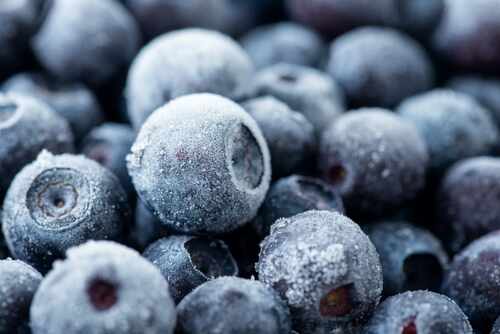
Blueberries and grapes are not just sweet snacks; the best research says they can quietly reshape your blood vessels and cut your risk of heart disease in meaningful ways.
Story Snapshot
- Daily blueberries can improve blood vessel function and tweak cholesterol in ways that lower heart risk.
- Women who eat more blueberry pigments called anthocyanins see fewer heart attacks over time.
- Grapes offer promising blood pressure and cholesterol benefits, but their sugar load is a concern for seniors.
- The “best fruit” for your heart still depends on your age, blood sugar, and how much you eat.
Blueberries Take The Lead As A Heart Powerhouse
Researchers have followed people who eat blueberries for months and tracked what happens inside their blood vessels. One focused study found that eating about a cup of blueberries every day for six months improved how vessels relax, boosted “good” cholesterol, and cut overall cardiovascular risk by roughly 12 to 15 percent in at-risk adults. That is not a vague wellness claim. It is a measured change in systems that drive heart attacks and strokes.
Long-term population studies paint the same direction. Women who eat more anthocyanins, the deep blue pigments in blueberries, have fewer heart attacks. One large analysis linked higher anthocyanin intake to about a 32 percent lower risk of myocardial infarction. Another set of cohort studies tied these same compounds to roughly a 25 percent lower risk of coronary artery disease and an 8 to 10 percent drop in hypertension risk. These are real-world outcomes, not just lab numbers.
What Anthocyanins Do Inside Your Arteries
Anthocyanins are a type of polyphenol that act like tiny bodyguards for your arteries. They calm inflammation, reduce oxidative stress, and help blood vessels widen instead of clamp down. Clinical trials on berries show they can lower the oxidation of low-density lipoprotein, reduce total cholesterol, and trim systolic blood pressure. A recent controlled study reported that blueberry intake raised nitrite, tied to nitric oxide, by about 68 percent, helping vessels relax and support smoother blood flow through the body.
Doctors at major centers now explain blueberries in exactly these terms. A Mayo Clinic dietitian notes that blueberries carry around twenty-five different anthocyanins, far more than many other berries. She points to evidence that diets rich in these compounds lower the risk of coronary heart disease, possibly by easing arterial stiffness and blood pressure.
Grapes Offer Benefits, But Seniors Need To Watch The Sugar
Grapes also carry polyphenols, including resveratrol, that may help lower blood pressure, improve cholesterol profiles, and assist insulin regulation. Some heart health articles group grapes with blueberries, arguing that both can support circulation and reduce inflammation when eaten regularly. This makes sense for many adults, especially when grapes replace junk snacks. However, the resveratrol story is not fully settled. Reviewers call the evidence “encouraging” but still say more studies are needed to confirm how it works and how strong the effect really is.
At the same time, conservative thinking about sugar cannot be ignored. Grapes have thin skins and relatively little fiber, so their sugar hits quickly. One clinician warns that for seniors this rapid spike may stress blood vessels and blunt brain cell responses over time, raising concerns for both memory and heart health. He shares a case of a seventy-two-year-old woman who saw rising blood sugar, high triglycerides, and early memory slip while eating large bowls of grapes nightly. That is not proof for everyone, but it is a sober reminder that “natural” sugar can still be too much.
Are Blueberries Really The “Best Fruit” For Your Heart?
Many experts now call blueberries a top heart-friendly fruit because they deliver strong anthocyanin doses with modest sugar and good fiber. Blueberries rank near the top in antioxidant activity among common fruits, and their pigments appear to reduce “bad” cholesterol buildup in artery walls. Some reviews even list blueberries among a short group of “functional fruits” with especially powerful vascular effects. For an older American trying to guard against heart disease, that is a straightforward value: high protection with low downside.
Still, there are caveats. One analysis found that an early link between blueberries and lower coronary heart disease death weakened after adjusting for other lifestyle factors, suggesting that healthier habits may explain part of the benefit. A detailed review of wild blueberry research says results can vary with baseline health, medications, diet, and gut bacteria. The authors also call for larger, longer trials to lock down ideal doses and confirm durability of the benefits. That is exactly how science should work: promise first, proof over time.
Marketing Claims Versus Real Heart Protection
Modern grocery labels often shout “heart healthy,” but many claims are more marketing than medicine. Studies of front-of-package claims on drinks show that almost all products use some health language, even when sugar is high and the overall nutrition weak. Regulators are now rewriting what “healthy” can legally mean on food labels. This matters for fruit too. It is easy for companies to push one berry or juice as a miracle, while ignoring dose, sugar load, and whether the evidence comes from small trials or large outcome studies.
Both blueberries and grapes are fantastic for heart health, but blueberries generally edge out as the better choice for blood pressure
Blueberries are packed with anthocyanins, antioxidants that help widen blood vessels and improve arterial stiffness. Clinical trials show that… pic.twitter.com/fJFYIPgCPs
— VESSEL PARAGON (@vesselparagon35) July 9, 2026
The path forward is clear. Use solid data, not hype. Blueberries, especially when eaten as whole fruit once a day, have consistent support for better vessel function, lower blood pressure in at-risk people, and reduced heart events in large groups. Grapes can play a role, but older adults should respect their sugar punch and focus on modest portions. For now, the best “fruit prescription” is simple: build a varied fruit habit, give blueberries a starring role, and let your doctor guide the rest based on your age, blood sugar, and blood pressure.
Sources:
mindbodygreen.com, verywellhealth.com, pmc.ncbi.nlm.nih.gov, nutraingredients.com, mdpi.com, link.springer.com, health.yahoo.com, pulsecardiachealth.com, facebook.com, labelsunwrapped.org