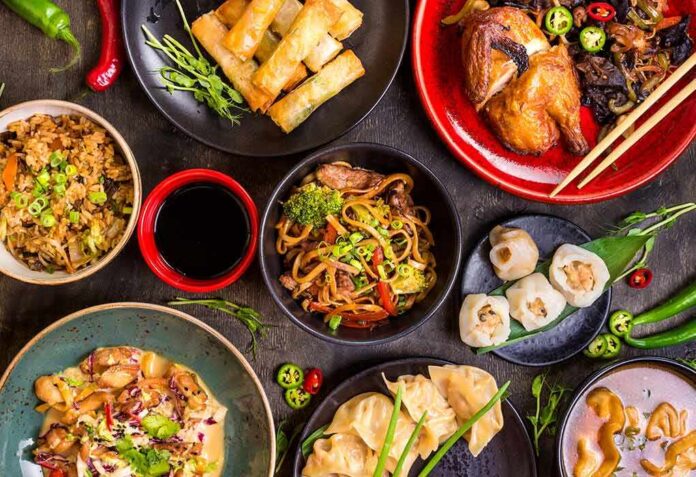
Reheating that pan of fried rice or topping off yesterday’s french fries under the broiler might be doing more than warming your lunch — it could be building the same class of chemicals researchers call probable human carcinogens.
Quick Take
- A doctor’s warning about reheating oils and starchy foods has drawn attention to compounds called PAHs and acrylamide.
- Lab and animal studies link repeatedly heated cooking oil to genetic damage and tumor growth.
- Major health agencies say the human cancer link remains unproven, even though the hazard is real in animals.
- The bigger everyday risk from leftovers is still bacteria, not cancer, according to food-safety reviewers.
What The Doctor’s Warning Actually Targets
The viral warning does not claim reheating any food causes cancer. It zeroes in on two specific habits: reusing cooking oil multiple times at high heat, and browning starchy foods like bread, rice, or potatoes until they turn dark and crispy. Both processes create chemical byproducts that scientists have studied for decades. The question is not whether these compounds exist. It’s whether the amounts in a home kitchen actually raise a person’s cancer risk.
Cooking oil breaks down every time it hits high heat. A widely cited critical review found that repeatedly heated cooking oils generate polycyclic aromatic hydrocarbons, or PAHs, some of which have been reported as carcinogenic. The same review tied heavy consumption of reused oil to higher rates of lung, colorectal, breast, and prostate cancers in the populations studied. That’s not a fringe claim. It’s published research that food scientists have referenced for years.
How Reused Cooking Oil Breaks Down Into Risk
Animal research backs up the concern. Mice fed “thermally abused” frying oil, meaning oil heated repeatedly to high temperatures, showed a marked jump in metastatic lung tumor growth compared to mice fed fresh oil. That’s a striking result in a lab setting. But mice are not people, and the doses used in these experiments often exceed what a home cook would produce reusing oil once or twice for stir-fry.
Separate testing found that reheated soybean and olive oils developed elevated levels of a compound called 3-MCPD, exceeding what regulators consider a safe daily intake. That’s a measurable chemical change, not a guess. It supports the basic idea behind the warning: oil degrades with each heating cycle, and degraded oil isn’t the same product you started with.
Acrylamide: The Browning Chemical Under Scrutiny
The second target is acrylamide, a chemical that forms when starchy foods are cooked or reheated at high, dry heat until they brown. The International Agency for Research on Cancer classifies acrylamide as a probable human carcinogen based on strong animal evidence. That classification carries weight. It’s the same global health body that evaluates tobacco and asbestos.
Here’s where the story gets more complicated. The European Food Safety Authority, which issued that acrylamide warning, also states plainly that human evidence remains limited and inconclusive. The World Cancer Research Fund reviewed the same body of research and found no strong evidence that eating acrylamide raises cancer risk in real people at real dietary levels. Animal labs and human dinner tables are not the same experiment.
Why Major Health Agencies Urge Caution, Not Panic
The American Cancer Society reviewed decades of human studies looking for an acrylamide-cancer connection and found the results simply don’t line up consistently. Some studies hint at a link. Others find nothing at all. That inconsistency matters. It’s the difference between a chemical that looks dangerous under a microscope and one proven to hurt people eating normal meals.
Food-safety reviewers make a separate point worth remembering: the biggest documented risk from reheated leftovers isn’t a slow-building cancer threat at all. It’s bacteria growing in food left out too long or reheated unevenly. That’s a proven, immediate danger with a much longer track record than any acrylamide debate. Conservative common sense says don’t ignore a real, everyday hazard while chasing a theoretical one.
Practical Takeaway For Your Kitchen
None of this means panic over Tuesday’s leftovers. It means treating reused frying oil like a limited-use product, not something to pour back in the bottle indefinitely. It means letting toast and roasted potatoes stay golden rather than blackened. Small habits, backed by real lab findings, cost nothing and align with basic caution — without buying into a claim science hasn’t fully proven.
Sources:
youtube.com, pmc.ncbi.nlm.nih.gov, ages.at, bfr.bund.de, wcrf.org