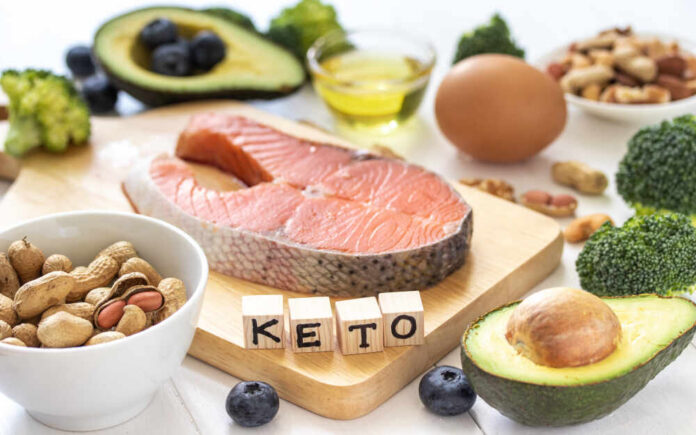
A massive 30-year Harvard study demolishes the processed food industry’s low-carb lies, revealing that Americans following trendy keto and animal-heavy diets may be unknowingly sabotaging their hearts while corporations profit from their confusion.
Story Snapshot
- Harvard researchers analyzed nearly 200,000 Americans over 30 years, finding low-carb diets cut heart disease risk by 15% only when plant-based, but increase risk when loaded with animal products and processed foods.
- Unhealthy low-carb diets heavy in bacon, butter, and refined foods raised coronary heart disease risk by 13%, exposing the dark side of popular keto trends pushed by food marketers.
- The study ends the low-carb versus low-fat debate by proving diet quality—not macronutrient ratios—determines heart health, vindicating whole-food advocates against ultra-processed industry alternatives.
- Over 20,000 heart disease cases documented in the research reveal metabolic markers like HDL cholesterol and inflammation improve only with high-quality plant foods, regardless of carb content.
The Low-Carb Trap Millions Have Fallen Into
Harvard T.H. Chan School of Public Health released findings on February 11, 2026, in the Journal of the American College of Cardiology that should alarm every American following trendy low-carb diets. The study tracked 200,000 health professionals for three decades, documenting 20,033 coronary heart disease cases. Researchers discovered that low-carb diets emphasizing animal proteins, saturated fats, and refined carbohydrates increased heart disease risk by approximately 13 percent. This data exposes how food corporations have exploited Americans’ desire for simple solutions, selling them bacon-wrapped fantasies while their cardiovascular health deteriorates. The contrast between healthy and unhealthy low-carb approaches could not be starker or more consequential.
What Actually Protects Your Heart From Disease
Lead researcher Zhiyuan Wu identified the critical factor ignored by diet gurus and food marketers: quality matters far more than macronutrient ratios. Healthy low-carb diets featuring plant-based proteins, whole grains, and unsaturated fats reduced coronary heart disease risk by 15 percent. These diets achieved cardiovascular benefits through measurable metabolic improvements including higher HDL cholesterol, lower triglycerides, and reduced inflammation markers. The study analyzed over 300 metabolites in participants’ blood, providing objective biochemical evidence that transcends self-reported dietary surveys. This scientific rigor demolishes the pseudo-scientific claims flooding social media from influencers promoting quick-fix eating plans without regard for long-term health consequences.
The Food Industry’s Role in American Confusion
Americans have been whipsawed between low-carb and low-fat diet wars for decades, with each camp backed by billion-dollar food industries selling specialized products. The Atkins revolution of the 1970s spawned an empire of low-carb processed foods, while the Ornish low-fat movement generated its own industrial alternatives. Both approaches generated massive profits by offering consumers ultra-processed substitutes rather than encouraging consumption of whole, unprocessed foods. This study reveals that both dietary patterns can support heart health, but only when they prioritize vegetables, legumes, nuts, and whole grains over corporate frankenfoods. The research undermines marketing campaigns that have steered Americans toward expensive specialty products instead of traditional, wholesome eating patterns.
Common Sense Vindicated by Hard Science
Journal editor Harlan M. Krumholz stated the findings shift focus from macronutrient debates to food quality, a conclusion that aligns with traditional American wisdom about eating real food. The study built upon decades of research supporting Mediterranean and DASH diets, which emphasize vegetables, fruits, whole grains, and healthy fats without obsessing over carbohydrate percentages. Researchers found that even low-fat diets showed slight benefits when including animal products, but low-carb variants only protected hearts when plant-forward. These findings validate what our grandparents knew before corporate nutritionism took over: eat foods that come from the ground and trees, not laboratories. Wu plans future research incorporating genetics and gut microbiome factors to further personalize dietary recommendations for Americans.
The implications extend beyond individual health choices to challenge USDA Dietary Guidelines and food industry practices. Americans frustrated with contradictory nutrition advice finally have clear evidence that diet quality transcends ideological battles over macronutrients. This research empowers citizens to reject processed food marketing and return to whole-food eating patterns that have sustained healthy populations for generations. The study’s 30-year timeframe and nearly 200,000 participants provide the robust evidence needed to cut through corporate-funded confusion and restore common-sense nutrition principles that prioritize real food over profit-driven alternatives.
Sources:
A Low-Carb Diet May Be Destroying Your Heart After All
Healthy versions of low-carb and low-fat diets linked to better cardiovascular and metabolic health
Both Low-Fat and Low-Carb Diets Tied to Less Heart Disease
Low-carb versus low-fat diet debate misses the mark on heart health
Healthy Versions of Low-Carb and Low-Fat Diets Linked to Better Cardiovascular and Metabolic Health
Low-Carbohydrate and Low-Fat Diets and Cardiovascular Disease