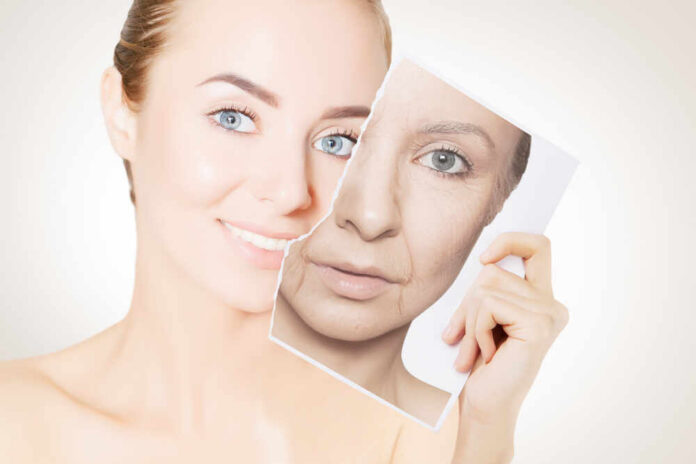
The first sign your skin is aging isn’t a wrinkle—it’s water quietly escaping through a weakening barrier.
Quick Take
- Mayo Clinic dermatologist Dr. Saranya Wyles says hydration loss shows up before visible aging like lines or spots.
- Transepidermal water loss (TEWL) rises with age, and older skin takes longer to “bounce back” after disruption.
- Ceramides in the outer skin layer shift with age, weakening the lipid “basket weave” that keeps moisture in.
- Dryness, itch, and sensitivity deserve the same seriousness as wrinkles because they signal barrier decline.
Hydration Loss: The Aging Signal Everyone Mistakes for “Just Dry Skin”
Dr. Saranya Wyles, director of the Regenerative Dermatology & Skin Longevity Laboratory at Mayo Clinic, is pushing a message that unsettles the cosmetics playbook: aging starts as a functional problem, not a cosmetic one. Hydration loss can arrive before crow’s-feet ever do. That matters because moisture isn’t “nice to have”—it reflects whether the skin barrier can still do its basic job: keep water in and irritants out.
People over 40 recognize the pattern. You switch soaps, blame winter air, or buy thicker lotion, and the tightness still returns. The conclusion—“my skin needs more moisture”—is only half the story. The deeper issue is the container. When the barrier weakens, adding water becomes like pouring into a cup with hairline cracks. The skin may look fine at first, then suddenly turns reactive, flaky, or persistently uncomfortable.
What’s Actually Failing: The Barrier’s Lipid Architecture and TEWL
Skin aging research has long obsessed over collagen and elastin because they photograph well. Dr. Wyles’ framing forces attention to what happens earlier: changes in the outermost layer, especially the lipid structure that functions like mortar between bricks. As that “basket weave” degrades over time—research suggests the process can begin surprisingly early, even around the 20s—the skin leaks more water through transepidermal water loss (TEWL).
TEWL gives the conversation teeth because it’s measurable. Higher baseline TEWL shows up in older adults, and when the barrier gets disrupted—by harsh cleansers, over-exfoliation, wind, low humidity—older skin takes roughly twice as long to recover compared with younger skin. That slow recovery explains why a “minor” irritation can linger for weeks after midlife. The discomfort is real, and the mechanism is mundane: a barrier that no longer seals quickly.
Ceramides: The Quiet Lipids That Decide Whether Your Skin Behaves
Ceramides don’t headline skincare ads the way retinol does, but they deserve more respect. Research described in Dr. Wyles’ discussion points to age-related shifts in ceramides in the stratum corneum, trending toward shorter chain lengths associated with weaker barrier function. Translation: the lipid blend that once formed a tight, resilient seal starts changing its chemistry. When that seal loosens, you don’t just lose water—you gain problems: stinging, redness, rough texture, and a sense that everything “suddenly” irritates you.
Readers raised on the anti-wrinkle era may bristle at this shift because it sounds like moving the goalposts. It isn’t. It’s the same aging story, just earlier in the timeline and more practical. A compromised barrier sets the stage for inflammation and cumulative damage. Lines may come later, but the skin’s day-to-day performance—comfort, tolerance, and recovery—often declines first. That is an actionable message, not a marketing slogan.
Why This Reframes Anti-Aging: Prevention Beats “Chasing the Wrinkle”
Dr. Wyles’ approach treats the skin the same way. She argues for prioritizing barrier support before chasing visible signs, comparing early intervention to exercising before muscle atrophy. That logic holds up because it focuses on function, not vanity. If the barrier stays resilient, many downstream complaints become less severe, and you’re less tempted by expensive, escalating fixes.
Some corners of the beauty industry thrive on panic: one line appears, and the solution is a complicated cabinet of products. Barrier-first skincare pushes people back toward fundamentals—gentler routines, fewer irritants, consistent sun protection—rather than aggressive cycling through actives that can backfire. The open question is how much early barrier support can delay visible aging long-term; the provided research doesn’t claim a precise timeline.
“Skinspan”: Treating Skin Like a Longevity Organ, Not a Billboard
Dr. Wyles has introduced the concept of “Skinspan,” linking skin aging to broader longevity frameworks rather than isolating it as a cosmetic side quest. That matters because skin is an organ with real jobs: protection, temperature regulation, immune signaling, and sensory function. Intrinsic forces (genetics, hormones, cellular senescence) and extrinsic ones (sun, pollution, smoking, nutrition) all interact. When people treat skin like a billboard for age, they miss its role as an early-warning system.
Limited data in the provided sources prevents a neat, one-size-fits-all “by age 47 you’ll see X” forecast, and that honesty is refreshing. What is clear: dryness, itch, and sensitivity aren’t trivial. They are signals that the barrier needs support and that recovery capacity may be slowing. If you’re looking for the earliest sign of aging you can actually feel, hydration loss fits the bill—and it shows up long before you’re ready to call it aging.
People who want a practical takeaway can start with a simple rule: don’t create damage you then pay to repair. Choose mild cleansing, avoid over-exfoliating, support the barrier with moisturizers that emphasize barrier lipids, and take sun protection seriously for life. If symptoms persist—especially cracking, severe itch, or inflamed patches—get evaluated rather than self-treating endlessly. The best “anti-aging” move often looks boring: protect the barrier early, and your future skin has less to forgive.
Sources:
The World’s Foremost Expert On Skin Longevity Says This Is The First Sign Of Aging
Wrinkles – Diagnosis and treatment