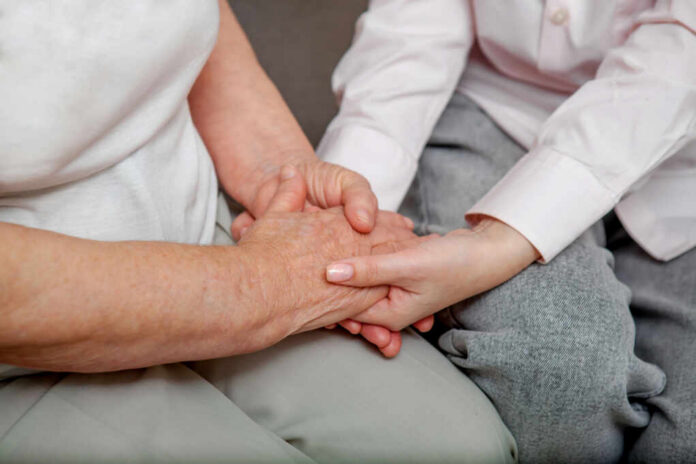
A simple gesture during heated arguments—holding your partner’s hand—can transform emotional warfare into productive dialogue, thanks to a biological mechanism that calms your nervous system even when tempers flare.
Story Highlights
- University of Amsterdam researchers found that couples who held hands during arguments showed lower heart rates and improved communication quality
- Hand-holding activates the vagus nerve and triggers oxytocin release, creating physiological calming effects that override fight-or-flight responses
- Men experienced stronger calming effects during conflict, while both partners benefited equally from post-argument hand-holding
- The practice works through two-way sensory feedback that provides homeostatic emotion regulation during distress
The Science Behind Touch During Conflict
The University of Amsterdam conducted a laboratory experiment with 100 heterosexual couples who debated their most contentious disagreements while researchers monitored their heart rates and communication patterns. Couples instructed to hold hands showed measurable physiological changes that contradicted what you might expect during heated discussions. Their heart rates dropped, cortisol levels decreased, and communication became less negative. The touch created a biological override switch that dampened the body’s natural fight-or-flight response, allowing rational thought to compete with emotional reactivity.
This phenomenon stems from specialized nerve receptors in your hands called Pacinian corpuscles. When activated by your partner’s touch, these receptors signal the vagus nerve, which controls heart rate and blood pressure. Simultaneously, your brain releases oxytocin, the bonding hormone that enhances trust and connection while cutting cortisol, your primary stress hormone. The posterior insula and anterior cingulate cortex, brain regions associated with pain and emotional processing, show reduced activity during partner hand-holding, creating a neurological pathway for emotional regulation.
Why Men and Women Respond Differently
The Amsterdam study revealed a surprising gender difference in how hand-holding affects partners during active conflict. Men experienced significantly stronger physiological calming effects while arguing, with more pronounced drops in heart rate and stress markers. Women, conversely, showed smaller reactivity reductions during the heat of battle, possibly because anger creates a psychological barrier to accepting intimate touch. Researchers theorized that women might resist physical comfort when feeling emotionally unsafe or invalidated, making the gesture feel incongruent with their emotional state in the moment.
Both partners, however, showed equal benefits from hand-holding after arguments concluded. This post-conflict touch helped rebuild emotional bridges, restored feelings of safety, and accelerated the transition from defensive positioning to reconnection. The findings suggest timing matters—men may benefit from touch during the storm, while women might prefer it during the calm that follows. Understanding these differences allows couples to deploy this tool strategically based on individual comfort levels and conflict dynamics.
Hand-Holding Versus Other Forms of Touch
A 2023 study compared hand-holding to stroking, another common affectionate gesture, to determine which form of touch provides superior emotional regulation during distress. Hand-holding emerged as the clear preference, particularly during intense emotional or physical situations. The reason lies in the bidirectional nature of hand-holding—both partners give and receive sensory feedback simultaneously, creating a balanced exchange that feels mutual rather than one-sided. Stroking, while pleasant in calm contexts, activates C-tactile afferents that signal social reward but lack the reciprocal element that makes hand-holding uniquely stabilizing.
Participants rated hand-holding higher in negative emotional situations and physical distress scenarios, with particularly strong preferences emerging in contexts involving blood phobia or acute anxiety. The two-way feedback loop appears essential for homeostatic regulation—your nervous system doesn’t just receive comfort, it actively participates in creating a shared physiological state with your partner. This explains why hand-holding during childbirth, pre-surgical anxiety, and pain management consistently outperforms passive touch interventions in clinical research.
Applying This Research to Real Relationships
Dr. Jami Grich advocates for hand-holding as a counter-strategy to what she calls “reptilian brain” withdrawal during fights. When arguments escalate, primitive brain structures hijack rational thought, triggering withdrawal behaviors that prioritize individual safety over connection. Reaching for your partner’s hand interrupts this cascade, sending competing signals that you remain safe despite the conflict. This simple physical anchor prevents the complete emotional disconnection that transforms productive disagreements into relationship-damaging combat.
Behavioral health professionals have integrated these findings into couples counseling, recommending hand-holding as a non-pharmacological intervention for conflict management and stress reduction. The practice offers additional long-term benefits beyond argument de-escalation, including improved heart health, reduced loneliness, and sustained relationship satisfaction through repeated oxytocin-bonding experiences. The accessibility of this tool—requiring no special training, equipment, or therapeutic setting—makes it particularly valuable for couples seeking immediate, practical strategies for healthier communication patterns during inevitable disagreements.
Sources:
Study: Holding Hands While Fighting Helps Couples Stay Calm
Why You Should Hold Hands When You Fight
Hand-Holding vs. Stroking in Emotion Regulation